
How To Make Salmon Jerky In Air Fryer [FULL GUIDE]
Recommended Equipments:
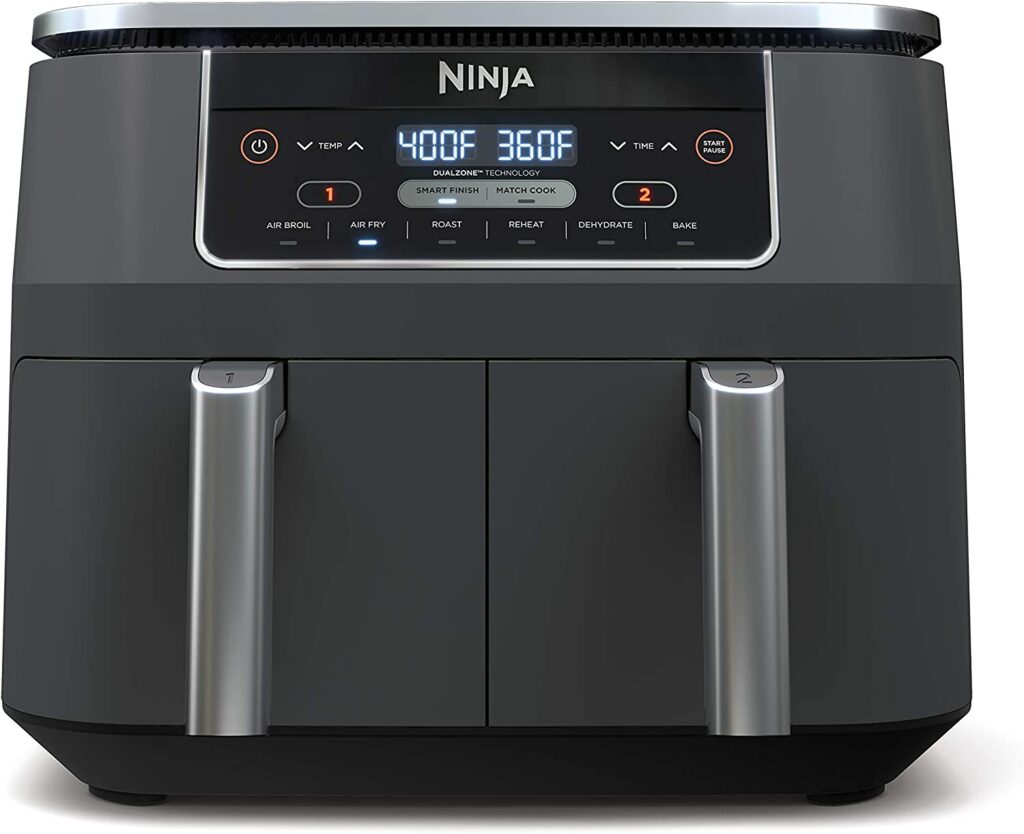

Salmon jerky is a delicious, protein-packed snack that combines the rich, buttery flavor of salmon with the satisfying chew of traditional jerky. Unlike traditional jerky that often requires hours of oven or dehydrator time, air fryers provide a faster, more efficient way to create this savory treat while still locking in flavor. The method enhances the natural oils in the salmon, giving it a tender, yet firm texture that jerky lovers crave. Beyond convenience, making salmon jerky in an air fryer allows for precise control over temperature and cooking time, which is crucial to avoid overcooking or drying the fish too much. This guide dives deep into the science, technique, and expert tips to ensure your homemade salmon jerky comes out perfect every time.
Optimal Air Fryer Temperature To Make Salmon Jerky In Air Fryer
Temperature control is arguably the most critical factor when making salmon jerky. Unlike meat jerky, salmon is more delicate and contains higher fat content, which can render out too quickly if cooked at excessively high temperatures. The ideal air fryer temperature is 160-175°F (70-80°C).
At this low, steady heat, the air fryer slowly removes moisture from the salmon without cooking it like a conventional meal. Temperatures above 175°F risk overcooking the fish, making it brittle or chalky, while temperatures below 160°F may not sufficiently dehydrate the salmon, leading to potential spoilage if stored. The goal is to create a slightly chewy texture with concentrated flavor rather than a crisp or brittle result.
How Long To Make Salmon Jerky In Air Fryer
Time is another crucial element. Depending on the thickness of your salmon slices and the air fryer model, the process usually takes 3 to 5 hours. Thinly sliced salmon (1/8-1/4 inch) may dehydrate in roughly 3 hours, while thicker slices (1/2 inch) can take closer to 5 hours.
Patience is essential: jerky is done when it is dry to the touch but still slightly pliable. Checking too early can yield soft or unevenly dried salmon, while checking too late can result in overly dry, brittle jerky. For consistent results, it’s recommended to rotate the tray or shake the basket occasionally to ensure even airflow and uniform dehydration.
How To Tell If It Is Done
Determining doneness in salmon jerky relies on texture rather than color alone. Properly done salmon jerky should have the following characteristics:
- Dry but pliable: The surface should feel dry, but the jerky should still bend slightly without breaking.
- No visible moisture: Squeeze lightly; there should be no liquid seeping out.
- Chewy, not tough: A perfect balance between firmness and chewiness indicates the right dehydration level.
Overcooked salmon jerky will snap easily and crumble, while undercooked jerky will feel sticky or soft.
Ingredients Needed
Making salmon jerky doesn’t require an extensive ingredient list, but the right combination enhances flavor while aiding preservation. Here’s a simple, flavorful list:
- 1 lb fresh salmon fillet, skin removed
- 1/4 cup soy sauce or tamari (for a gluten-free option)
- 2 tablespoons brown sugar or honey (optional for sweetness)
- 1 teaspoon smoked paprika (for depth)
- 1/2 teaspoon black pepper
- 1/2 teaspoon garlic powder
- 1/2 teaspoon onion powder
- Optional: a few drops of liquid smoke for authentic smoky flavor
Marinating the salmon overnight allows the flavors to penetrate the fish and tenderizes the flesh slightly before dehydration.
How To Make Salmon Jerky In Air Fryer
- Prepare the Salmon: Remove the skin and trim any excess fat. Slice the salmon into thin strips (1/8-1/4 inch thick) for faster, even drying.
- Marinate: Combine soy sauce, sugar, paprika, garlic powder, onion powder, pepper, and optional liquid smoke. Coat the salmon evenly and refrigerate for at least 4 hours or overnight.
- Preheat Air Fryer: Set your air fryer to 160-175°F. Preheating ensures even dehydration.
- Arrange the Salmon: Place salmon strips in a single layer in the air fryer basket, ensuring no pieces overlap.
- Dehydrate: Cook for 3-5 hours, checking every hour after the first two to prevent over-drying. Rotate trays if necessary.
- Check Doneness: Use the pliable, dry test described above.
- Cool and Store: Let the jerky cool completely before storing in an airtight container or vacuum-sealed bag. It can last 1-2 weeks at room temperature or up to a month refrigerated.
What If I Use A Different Air Fryer Temperature?
Increasing the temperature will shorten the cooking time, but it can compromise texture. For example, 185-200°F may seem tempting to speed things up, but it often leads to:
- Uneven drying
- Brittle or overly dry edges
- Loss of natural salmon oils, resulting in a less flavorful jerky
Conversely, lowering the temperature below 160°F will slow the process considerably and may create safety risks, as the salmon may not reach a proper dehydration stage, increasing the likelihood of bacterial growth.
What If I Use A Different Air Fryer Cooking Time?
Altering the cooking time without adjusting temperature can affect jerky quality:
- Too short: Jerky remains soft, moist, and prone to spoilage.
- Too long: Salmon becomes brittle, overly hard, and loses its natural flavor.
A careful balance of low temperature and slow dehydration is key. If you shorten cooking time, consider slicing the salmon thinner or slightly increasing temperature-but avoid extreme changes.
When Things Go Wrong
Even with careful attention, mistakes can happen:
- Jerky is too soft: Extend the cooking time in 15-30 minute increments at the same temperature.
- Jerky is too brittle: Reduce cooking time or slightly increase moisture in the marinade next time.
- Uneven drying: Ensure salmon strips are uniform in thickness and do not overlap; rotate the basket periodically.
- Off flavors: Avoid overusing sugar or soy sauce, which can dominate the natural salmon taste.
Expert Tips
- Freeze Slightly Before Slicing: Partially freezing salmon makes it easier to slice thin, uniform strips.
- Use Parchment Paper: Prevents sticking and simplifies cleanup.
- Rotate and Flip: Even airflow ensures uniform dehydration.
- Test Small Batch First: Different air fryer models vary in heat distribution.
- Storage: Vacuum-sealing significantly extends shelf life and maintains flavor.
FAQs
What Type Of Salmon Is Best For Making Jerky In An Air Fryer?
Firm, fresh salmon fillets are ideal for making jerky. Wild-caught varieties like sockeye or coho are preferred because of their lower fat content and firmer texture, which allows the jerky to dry evenly without becoming too oily.
Do I Need To Remove The Skin And Bones Before Air Frying Salmon Jerky?
Yes, it is recommended to remove both the skin and any pin bones. This ensures even drying, prevents tough spots, and makes the jerky easier and safer to eat.
How Should I Slice The Salmon For Air Fryer Jerky?
Slice the salmon against the grain into thin strips, ideally 1/4 inch thick. Cutting against the grain helps maintain a tender texture while still achieving the chewiness typical of jerky.
Do I Need To Marinate The Salmon Before Air Frying?
Yes, marinating enhances flavor and helps preserve the fish. A simple marinade can include soy sauce, honey, garlic, ginger, and a small amount of liquid smoke. Marinate for at least 2-4 hours, or overnight for stronger flavor.
What Is The Recommended Temperature And Time For Air Frying Salmon Jerky?
Set the air fryer to a low temperature, typically between 160-175°F (70-80°C), and cook for 2-4 hours, checking every 30 minutes. The goal is to slowly dehydrate the salmon without cooking it too quickly, which could make it brittle.
How Do I Know When The Salmon Jerky Is Done?
The jerky should be dry to the touch, slightly flexible, and not brittle. When you bend a strip, it should crack slightly but not break apart. The interior should be firm and evenly dehydrated.
How Should I Store Homemade Salmon Jerky?
Store in an airtight container in a cool, dry place. For longer storage, refrigerate for up to 2 weeks or freeze for up to 3 months. Properly dehydrated jerky should remain safe and flavorful when stored correctly.