
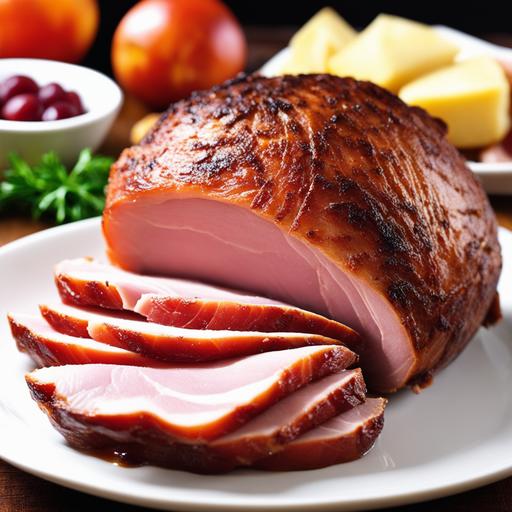
How To Cook Ham In Air Fryer [FULL GUIDE]
Recommended Equipments:
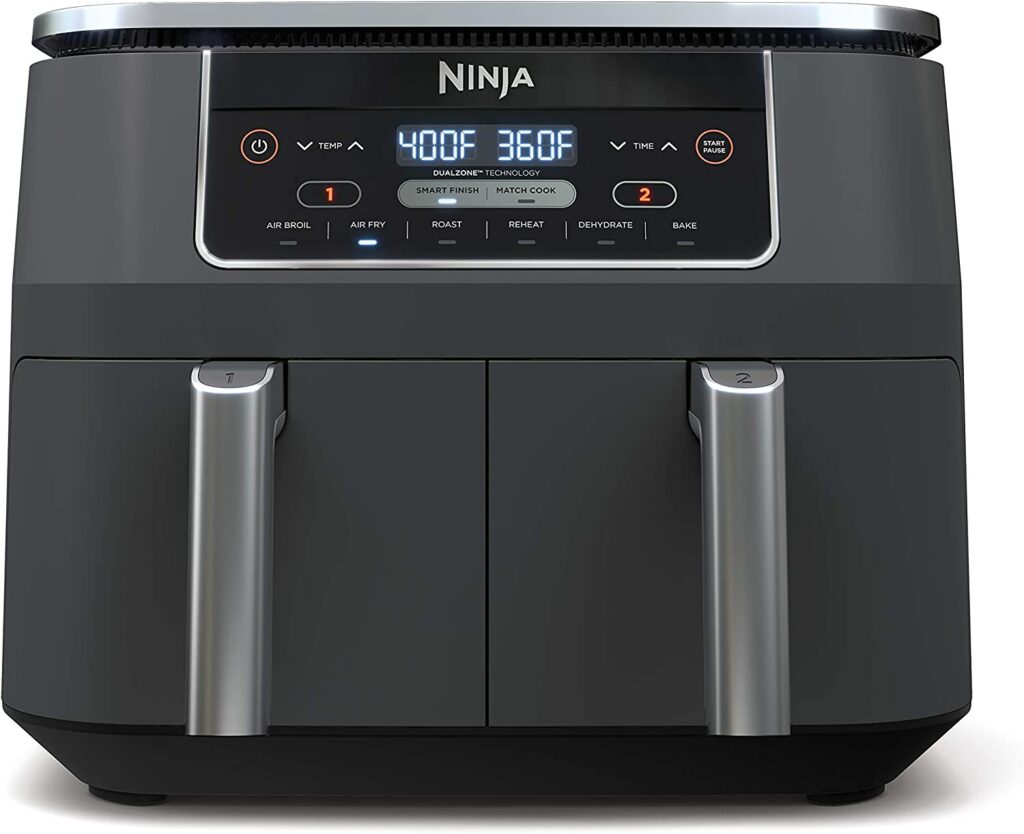
Cooking ham in an air fryer has emerged as a game-changer in modern kitchens. Unlike traditional baking or slow-cooking methods, an air fryer offers a unique combination of convenience, speed, and flavor retention. Its rapid circulation of hot air ensures a perfectly caramelized exterior while keeping the interior moist and tender. Air frying a ham is particularly advantageous for smaller cuts, such as spiral slices or half hams, where conventional ovens may overcook the edges before the center is fully heated. Beyond efficiency, the method also enhances the natural sweetness of the ham, allowing glazes or seasonings to develop a rich, golden crust. This guide dives deep into every aspect of air frying ham, from precise temperatures to troubleshooting tips, ensuring your ham is consistently delicious.
Optimal Air Fryer Temperature To Cook Ham In Air Fryer
Temperature control is critical when cooking ham in an air fryer. The goal is to warm the ham thoroughly without drying it out. For precooked ham, an optimal range is typically 325°F to 350°F (163°C to 177°C). This temperature ensures the heat penetrates the ham evenly while promoting a light browning or caramelization of any glaze.
For uncooked or partially cooked ham, slightly lower temperatures, around 300°F to 325°F (149°C to 163°C), are preferable. This slower heat application prevents the exterior from burning before the interior reaches a safe internal temperature. Always avoid temperatures above 375°F (191°C), as this can cause excessive drying and toughen the meat fibers, making the ham less enjoyable.
How Long To Cook Ham In Air Fryer
Cooking time depends on the size and type of the ham. For a precooked, half-sized ham (about 2-3 pounds), the general guideline is:
- 325°F (163°C): 10-12 minutes per pound
- 350°F (177°C): 8-10 minutes per pound
For smaller slices or a spiral-cut ham, individual slices may require only 5-8 minutes to reheat and caramelize. Always remember that these times are approximate, and factors like air fryer model, ham thickness, and whether the ham is bone-in or boneless can influence the total cooking time.
How To Tell If It Is Done
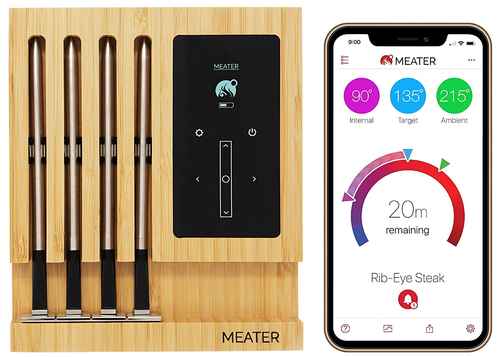
The most reliable method to determine if your ham is ready is using a meat thermometer. Insert it into the thickest part of the ham:
- Precooked ham: Heat to an internal temperature of 140°F (60°C)
- Uncooked ham: Cook until an internal temperature of 145°F (63°C) is reached, followed by a 3-minute rest
Additionally, visual cues can help: the exterior should have a golden-brown hue, glazes should appear caramelized and slightly sticky, and juices should run clear when the meat is pierced. Avoid guessing, as undercooked ham can be unsafe, and overcooked ham can be dry.
Ingredients Needed
- Ham (precooked or raw, bone-in or boneless, based on preference)
- Glaze ingredients (optional): brown sugar, honey, maple syrup, Dijon mustard, or pineapple juice
- Spices (optional): black pepper, garlic powder, paprika, or cloves
- Cooking spray or a light coating of oil (optional, to prevent sticking)
The choice of glaze or seasoning can dramatically enhance flavor and complement the natural saltiness of the ham.
How To Cook Ham In Air Fryer
- Preparation: Pat the ham dry with paper towels. If using a glaze, brush it lightly over the surface. Score the fat in a crisscross pattern to allow flavors to penetrate.
- Preheating: Preheat the air fryer to the desired temperature (325-350°F). Preheating ensures consistent heat distribution.
- Placement: Place the ham in the basket, cut-side down if spiral-sliced. Avoid overcrowding, as this restricts airflow and can lead to uneven cooking.
- Cooking: Cook according to the weight and type, turning halfway through if necessary. Reapply glaze 1-2 times during cooking for a rich caramelized finish.
- Resting: Remove the ham and let it rest for 5-10 minutes. This allows the juices to redistribute, ensuring tender, flavorful slices.
What If I Use A Different Air Fryer Temperature?
Using a temperature higher than 350°F may speed up cooking but increases the risk of drying out the ham or burning the glaze. Conversely, using a lower temperature than recommended slows cooking and may result in uneven heating. Always adjust the cooking time proportionally if altering the temperature and monitor internal temperatures closely with a thermometer.
What If I Use A Different Air Fryer Cooking Time?
Reducing the cooking time may leave the ham cold or partially cooked, especially in the center, while extending the cooking time can dry out the meat or over-carve a caramelized exterior into a bitter taste. The key is to balance time and temperature carefully and check the internal temperature frequently, adjusting as needed.
When Things Go Wrong
- Ham is dry: Likely caused by high temperature or overcooking. Solution: lower the temperature and wrap the ham loosely in foil during cooking to retain moisture.
- Uneven browning: May result from overcrowding or not turning the ham. Ensure even spacing and rotate if needed.
- Glaze burned: Apply glaze in the last 5-10 minutes of cooking or reduce temperature slightly to prevent caramelization from turning bitter.
Expert Tips
- Use foil sparingly: A light foil tent can protect delicate glazes while allowing crisping.
- Baste frequently: Reapplying glaze during cooking maximizes flavor and appearance.
- Monitor thickness: Thick cuts benefit from lower temperatures and slightly longer cooking times.
- Experiment with aromatics: Adding cloves, cinnamon sticks, or pineapple rings in the basket enhances aroma and flavor.
- Rest before slicing: Resting 5-10 minutes after cooking locks in juices for a succulent texture.
FAQs
Can I Cook A Whole Ham In An Air Fryer?
Most air fryers are too small to accommodate a full-sized ham, so it is usually recommended to use a smaller ham or cut the ham into portions. Ensure each piece fits comfortably in the basket without overcrowding for even cooking.
Do I Need To Preheat The Air Fryer Before Cooking Ham?
Yes, preheating the air fryer helps achieve consistent cooking and a caramelized exterior. Preheat to the temperature specified in your recipe, typically around 325-350°F (160-175°C) for ham.
Should I Glaze The Ham Before Air Frying?
Applying a glaze before or during cooking is optional but recommended for flavor and a glossy finish. Popular glazes include honey, brown sugar, mustard, or maple syrup. Brush the glaze on during the last 10-15 minutes of cooking to prevent burning.
How Long Does It Take To Cook Ham In An Air Fryer?
Cooking time varies depending on the size and thickness of the ham. Generally, small pre-cooked hams take 10-15 minutes per pound at 325°F (160°C). Always check internal temperature to ensure it reaches 140°F (60°C) for pre-cooked ham or 145°F (63°C) for raw ham.
Do I Need To Cover The Ham While Air Frying?
It is not necessary to cover the ham. Air fryers cook using circulating hot air, which helps brown the exterior naturally. However, you can tent foil loosely over the ham if it starts browning too quickly.
How Do I Prevent The Ham From Drying Out In The Air Fryer?
To keep ham moist, avoid cooking at excessively high temperatures and consider adding a small amount of liquid, such as water, apple juice, or broth, to the bottom of the air fryer basket. Basting occasionally with glaze or pan juices also helps retain moisture.
Can I Cook Leftover Ham In An Air Fryer?
Yes, leftover ham can be reheated in an air fryer. Slice the ham into even pieces, preheat the air fryer to 325°F (160°C), and heat for 5-10 minutes until warmed through. This method preserves moisture while giving the edges a slight crisp.