How To Cook Small Steak In Air Fryer [FULL GUIDE]
Recommended Equipments:
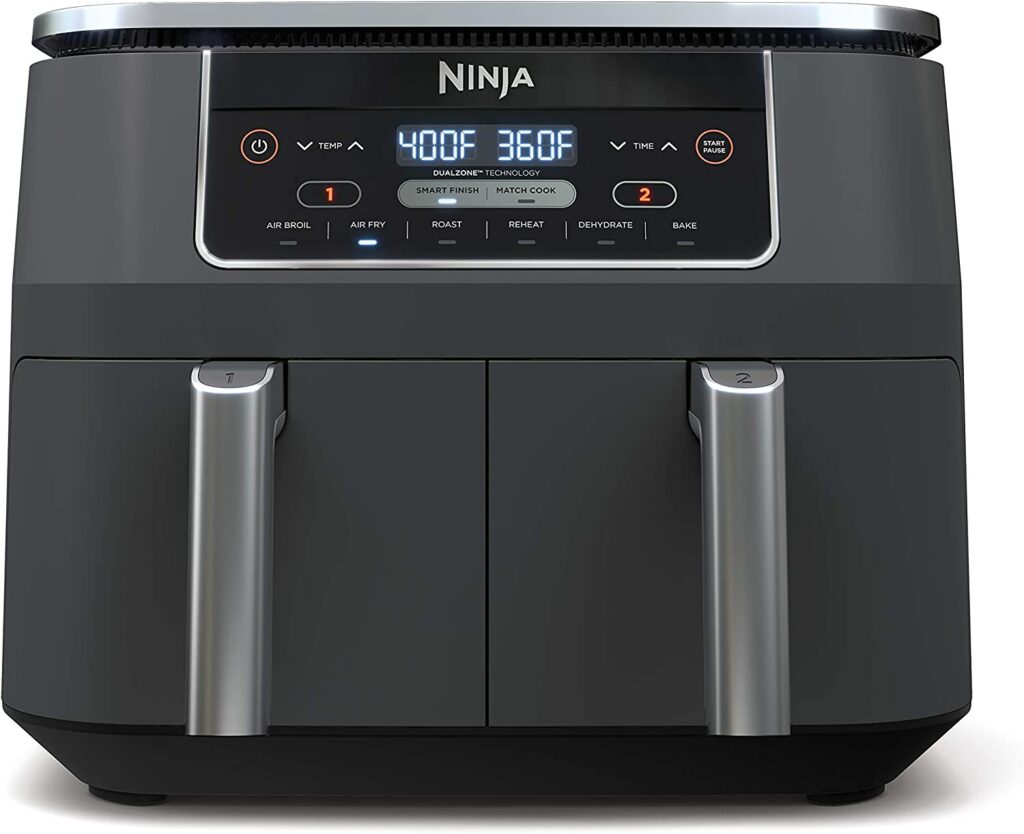
Cooking steak in an air fryer has transformed the way many home cooks approach this classic dish. The air fryer, with its rapid circulation of hot air, mimics the searing effect of a pan or grill, providing a caramelized, flavorful exterior while retaining a juicy interior. Small steaks-typically cuts under 8 ounces or thin-cut portions-are particularly well-suited for air frying because their size allows for quick, even cooking without drying out. Unlike traditional methods that require constant monitoring, flipping, and careful temperature management, the air fryer simplifies the process, producing consistently satisfying results in a fraction of the time. Understanding the nuances of temperature, cooking time, and doneness indicators is key to elevating your air-fried steak from simply edible to restaurant-quality.
Optimal Air Fryer Temperature To Cook Small Steak In Air Fryer
Temperature control is paramount when air frying steak. For small steaks, an optimal temperature range is typically 400°F (204°C). This high heat ensures that the Maillard reaction occurs, forming a rich, golden-brown crust that locks in the juices. Cooking at a lower temperature, such as 350°F (177°C), will cook the steak more slowly, potentially resulting in uneven browning and a less caramelized exterior. Conversely, extremely high temperatures (425-450°F / 218-232°C) can sear the outside too quickly, creating a charred crust while leaving the center undercooked if the steak is thicker than 1 inch.
The goal is a balance: high enough heat for a flavorful crust without sacrificing the interior’s tenderness. For thin cuts (½-¾ inch), 400°F is generally ideal, while slightly thicker cuts may benefit from a short preheating phase followed by slightly reduced heat after initial searing.
How Long To Cook Small Steak In Air Fryer
Cooking time depends primarily on steak thickness, cut, and desired doneness. For small steaks (about ½-¾ inch thick):
- Rare: 6-7 minutes total, flipping halfway
- Medium-rare: 7-8 minutes total, flipping halfway
- Medium: 8-10 minutes total, flipping halfway
- Medium-well: 10-12 minutes total, flipping halfway
Always remember that air fryers can vary in actual heat output, even when set to the same temperature. Checking the steak a minute or two before the estimated time helps prevent overcooking.
How To Tell If It Is Done
Determining steak doneness requires more than timing-it’s about texture and internal temperature:
- Rare: Cool red center, 120-125°F
- Medium-rare: Warm red center, 130-135°F
- Medium: Warm pink center, 140-145°F
- Medium-well: Slightly pink center, 150-155°F
- Well-done: Brown throughout, 160°F+
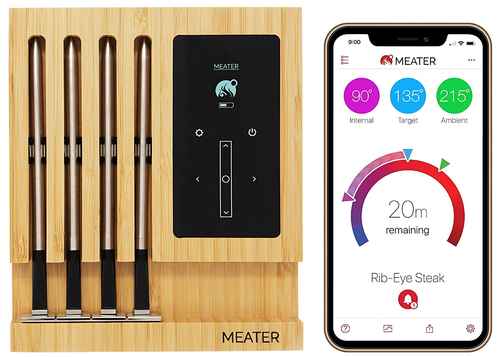
Use a meat thermometer inserted into the thickest part of the steak for the most accurate reading. Alternatively, the finger test method-comparing steak firmness to the fleshy area beneath your thumb-can work, but for beginners, a thermometer is more reliable.
Ingredients Needed
- Small steak(s), ½-¾ inch thick (ribeye, sirloin, filet mignon, or strip steak work best)
- Olive oil or avocado oil (1-2 teaspoons per steak)
- Salt (preferably kosher or sea salt)
- Freshly ground black pepper
- Optional: garlic powder, onion powder, smoked paprika, or your favorite steak seasoning
Optional finishing touches:
- Butter (1 tablespoon per steak)
- Fresh herbs like thyme or rosemary for added aroma
How To Cook Small Steak In Air Fryer
- Preheat the air fryer: 400°F (204°C) for 3-5 minutes to ensure even cooking.
- Prepare the steak: Pat dry to remove surface moisture, then lightly coat with oil. Season generously with salt, pepper, and optional spices.
- Arrange the steak: Place steaks in a single layer in the air fryer basket. Avoid overcrowding; air circulation is key for even browning.
- Cook: Air fry at 400°F, flipping halfway through the cooking time. For a ½-inch steak, start checking at 6 minutes.
- Rest the steak: Remove from the air fryer and let it rest for 5 minutes. This allows juices to redistribute, enhancing tenderness and flavor.
- Optional finishing: Top with butter or herbs while resting for a richer taste.
What If I Use A Different Air Fryer Temperature?
- Lower temperature (350°F / 177°C): The steak will cook more slowly, potentially giving a less pronounced crust. Best for very thick steaks where gradual cooking is preferred.
- Higher temperature (425-450°F / 218-232°C): Will sear the outside faster, creating a crisp crust, but increases the risk of overcooking thin steaks. Thin steaks may char before reaching the desired internal temperature.
Adjust cooking time accordingly; high heat shortens cooking time, and low heat lengthens it.
What If I Use A Different Air Fryer Cooking Time?
- Shorter time: The steak may be undercooked or too rare.
- Longer time: The steak will move toward medium-well or well-done, losing juiciness and tenderness.
Always monitor internal temperature rather than relying solely on time. Small steaks cook quickly, so even a 1-2 minute difference can significantly affect doneness.
When Things Go Wrong
- Steak is dry: Likely overcooked; reduce cooking time or slightly lower the temperature next time.
- Steak is unevenly cooked: Could be due to overcrowding or inconsistent air circulation. Cook in a single layer and flip halfway.
- Steak lacks crust: Ensure the steak is dry before seasoning and preheated properly in the air fryer. Adding a thin coating of oil helps with browning.
Expert Tips
- Preheat the air fryer: Ensures even cooking and proper searing.
- Dry the steak thoroughly: Moisture inhibits browning.
- Use oil sparingly: Just enough to coat; too much can smoke or pool in the air fryer.
- Flip once: Reduces the risk of uneven cooking.
- Let it rest: Juices redistribute, improving flavor and tenderness.
- Experiment with seasoning: Small steaks respond well to bold flavors; a sprinkle of smoked paprika or garlic powder enhances aroma.
- Check the thermometer: Even a thin steak can overshoot in the air fryer if not monitored.
FAQs
What Type Of Small Steak Is Best For Cooking In An Air Fryer?
Tender cuts such as filet mignon, sirloin, ribeye, or strip steak are ideal for air frying. These cuts cook quickly and evenly, retaining moisture and flavor. Tougher cuts may become dry unless marinated or cooked at a lower temperature for a longer time.
Do I Need To Season The Steak Before Air Frying?
Yes, seasoning is essential. Simple salt and pepper work well, but you can also use garlic powder, onion powder, smoked paprika, or a pre-made steak rub. Apply seasoning on both sides and let the steak rest at room temperature for 10-15 minutes before cooking for even flavor penetration.
What Temperature Should I Set The Air Fryer For A Small Steak?
For small steaks, preheat the air fryer to 400°F (204°C). This high temperature sears the outside quickly while keeping the inside juicy. Adjust slightly based on the steak’s thickness and desired doneness.
How Long Should I Cook A Small Steak In An Air Fryer?
Cooking time depends on thickness and preferred doneness. Generally, a 1-inch thick steak takes 8-12 minutes: 4-5 minutes per side for medium-rare, 6-7 minutes per side for medium. Always flip the steak halfway through to ensure even cooking.
Should I Use Oil When Cooking Steak In An Air Fryer?
Lightly brushing or spraying the steak with oil helps achieve a golden-brown crust and prevents sticking. Use high-smoke-point oils like avocado, canola, or grapeseed oil. Too much oil can create excess smoke in the air fryer.
How Can I Check If The Steak Is Cooked To My Desired Doneness?
The most reliable method is using a meat thermometer. Medium-rare is 130-135°F (54-57°C), medium is 135-145°F (57-63°C), and medium-well is 145-155°F (63-68°C). Alternatively, you can use the finger test method to estimate doneness by pressing the steak.
Do I Need To Rest The Steak After Air Frying?
Yes, resting is crucial. Let the steak rest for 5-10 minutes after cooking to allow the juices to redistribute. This results in a juicier, more flavorful steak and prevents moisture from escaping when you cut into it.