
How To Cook Chinese Sausage In Air Fryer [FULL GUIDE]
Recommended Equipments:
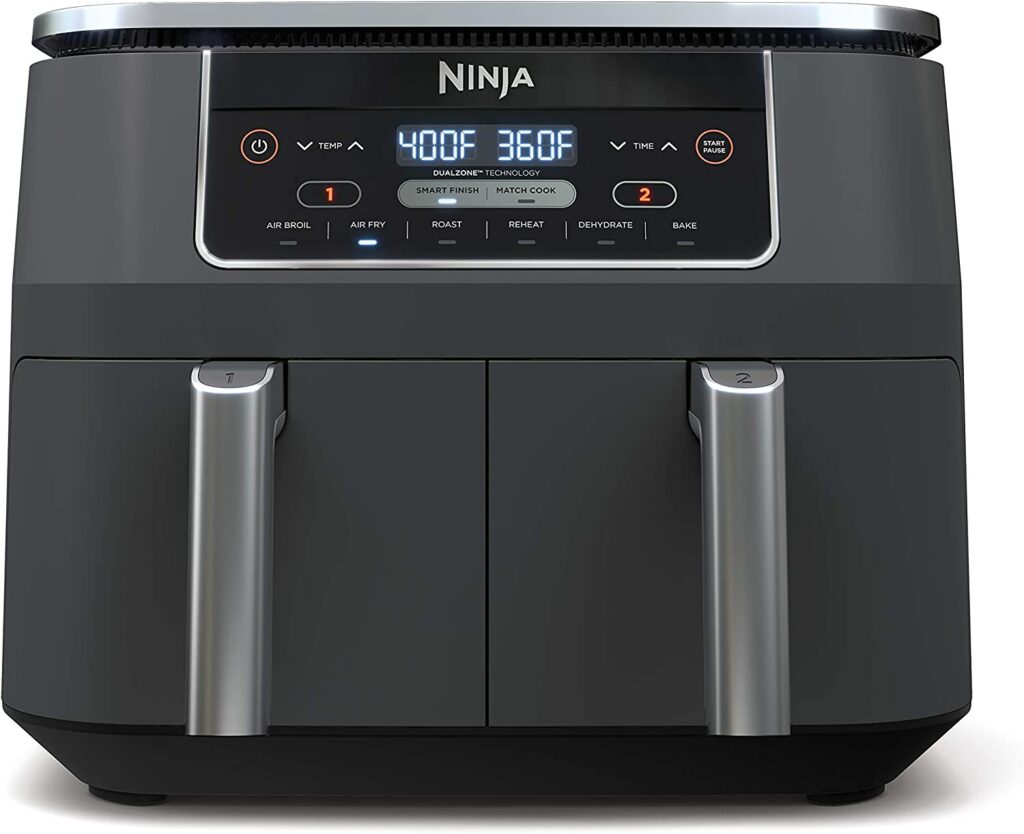
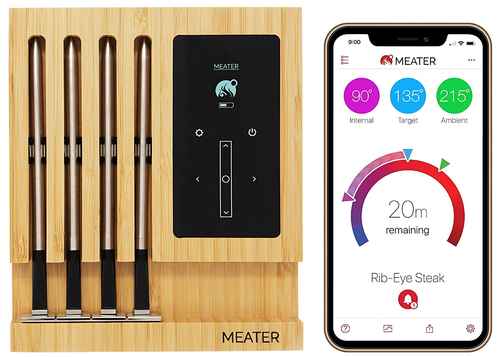
Chinese sausage, or lap cheong, is a delicacy renowned for its sweet-savory flavor, chewy texture, and aromatic depth. Traditionally used in stir-fries, fried rice, or steamed dishes, this cured sausage has a distinct richness that elevates any meal. While conventional cooking methods like steaming or pan-frying are effective, using an air fryer offers a faster, cleaner, and often more evenly cooked alternative. The air fryer’s circulating hot air ensures that the natural fats in the sausage render perfectly, producing a slightly caramelized exterior while preserving a juicy, tender interior. This guide will walk you through the ideal temperatures, timing, and techniques to achieve perfect Chinese sausage every time, while also providing troubleshooting tips and expert insights for best results.
Optimal Air Fryer Temperature To Cook Chinese Sausage In Air Fryer
Temperature control is crucial when cooking Chinese sausage in an air fryer. Set the air fryer to 350°F (175°C) for most models. This temperature strikes a balance between gently cooking the sausage and allowing its natural sugars to caramelize without burning. Too low a temperature may leave the sausage undercooked or rubbery, while too high a temperature can scorch the exterior, leaving the inside underdone.
For slightly thicker or extra-fatty sausages, some chefs recommend lowering the temperature to 330°F (165°C) to ensure the fat renders slowly and the sausage cooks evenly. Conversely, if you prefer a crisper, slightly more caramelized exterior, increasing the temperature to 370°F (190°C) can produce a golden-brown finish-but careful monitoring is necessary to avoid burning.
How Long To Cook Chinese Sausage In Air Fryer
Timing is equally critical. For standard-sized Chinese sausages, the ideal cooking time is 8-10 minutes. It is recommended to flip the sausages halfway through the cooking process to promote even browning.
- Thinner sausages (around ½ inch thick) may only require 6-7 minutes.
- Thicker sausages or those packed with fat may need 10-12 minutes.
Remember, air fryer models vary in their airflow and wattage, so these times serve as a guideline. Observing the sausage visually and checking its texture ensures the best results.
How To Tell If It Is Done
The doneness of Chinese sausage is assessed by texture, color, and aroma rather than an internal temperature alone. Properly cooked sausage should:
- Have a slightly firm but tender bite, not overly soft or mushy.
- Show a slightly glossy, caramelized exterior, where the sugars have lightly browned.
- Release a rich, aromatic fragrance characteristic of lap cheong.
If uncertain, cut one sausage open; the interior should be evenly cooked without raw or overly dense portions.
Ingredients Needed
Cooking Chinese sausage in an air fryer is delightfully simple. You’ll need:
- Chinese sausages (lap cheong) – quantity depends on your air fryer capacity.
- Optional: vegetable oil or cooking spray – to lightly coat the sausages for extra crispiness.
- Optional: sliced vegetables or rice – if you want to cook them alongside the sausages for a complete meal.
No complicated marinades are necessary, as the natural flavor of lap cheong is already rich and sweet.
How To Cook Chinese Sausage In Air Fryer
- Preheat the air fryer to 350°F (175°C) for 3-5 minutes.
- Prepare the sausages: Optionally, lightly spray or brush with oil for a glossier finish.
- Arrange sausages in a single layer in the air fryer basket, ensuring they don’t touch to allow proper air circulation.
- Cook for 8-10 minutes, flipping halfway through.
- Check doneness: The exterior should be lightly caramelized and firm. Adjust timing slightly if needed.
- Serve hot: Slice diagonally for a visually appealing presentation, or add to fried rice, vegetables, or steamed buns.
What If I Use A Different Air Fryer Temperature?
- Lower temperatures (320-340°F / 160-170°C): Sausages will cook more slowly and evenly, allowing fat to render completely. However, you may need an additional 2-3 minutes to achieve caramelization.
- Higher temperatures (360-380°F / 180-190°C): Produces a crispier, browned exterior quickly. Watch carefully, as the sugars in lap cheong can burn easily at high heat. Adjust the cooking time downward if browning occurs too fast.
What If I Use A Different Air Fryer Cooking Time?
- Shorter times (<8 minutes): The sausages may remain undercooked, with a firm, raw interior.
-
Longer times (>12 minutes): Sausages may dry out or develop a burnt exterior.
Always monitor visually, and if unsure, slice open one sausage to ensure the inside is cooked without drying out.
When Things Go Wrong
Even with careful attention, mistakes can happen:
- Burnt exterior, raw interior: Likely a too-high temperature. Reduce the temperature and extend cooking time.
- Rubbery texture: Usually undercooked or overcooked quickly at high heat. Ensure flipping halfway and adjust timing.
- Sticking or tearing: Overcrowding the air fryer basket or skipping oiling can cause this. Always leave space between sausages and lightly oil if necessary.
Expert Tips
- Slice before cooking: If you want bite-sized pieces for stir-fry or fried rice, slice sausages diagonally before air frying. This reduces cooking time and improves caramelization.
- Batch cooking: Cook in single layers; overcrowding reduces airflow and unevenly cooks the sausages.
- Use parchment paper with holes: Prevents sticking while allowing air circulation.
- Pair wisely: Chinese sausage pairs exceptionally with steamed rice, sautéed greens, or stir-fried noodles.
FAQs
Can I Cook Chinese Sausage Directly In The Air Fryer Without Any Preparation?
Yes, Chinese sausage can be cooked directly in an air fryer, but it is recommended to slice the sausage or poke small holes to allow steam to escape. This helps prevent bursting and ensures even cooking.
What Temperature Should I Set My Air Fryer To For Chinese Sausage?
The ideal temperature for cooking Chinese sausage in an air fryer is typically 350°F (175°C). This temperature allows the sausage to cook thoroughly without burning the exterior.
How Long Does It Take To Cook Chinese Sausage In An Air Fryer?
Cooking time usually ranges from 8 to 12 minutes, depending on the thickness of the sausage and the air fryer model. It is recommended to check halfway and shake or turn the sausages for even browning.
Should I Thaw Chinese Sausage Before Air Frying?
Thawing is optional. You can cook Chinese sausage from frozen, but it may require a few extra minutes of cooking. Thawed sausages cook more evenly and reduce the risk of burning the exterior while the inside remains undercooked.
Do I Need To Add Oil When Air Frying Chinese Sausage?
No additional oil is required because Chinese sausage naturally contains fat that will render during cooking. However, lightly spraying the air fryer basket with oil can prevent sticking.
How Can I Tell When Chinese Sausage Is Fully Cooked In An Air Fryer?
Chinese sausage is fully cooked when it is firm to the touch, has a golden-brown exterior, and the internal temperature reaches at least 160°F (71°C). Slicing a piece open should show no raw or undercooked sections.
Can I Cook Other Ingredients With Chinese Sausage In The Air Fryer?
Yes, you can cook vegetables, rice, or other proteins alongside Chinese sausage, but consider their different cooking times. Slice vegetables or precook certain items if needed to ensure everything finishes cooking evenly.