
How To Cook Lotus Root In Air Fryer [FULL GUIDE]
Recommended Equipments:
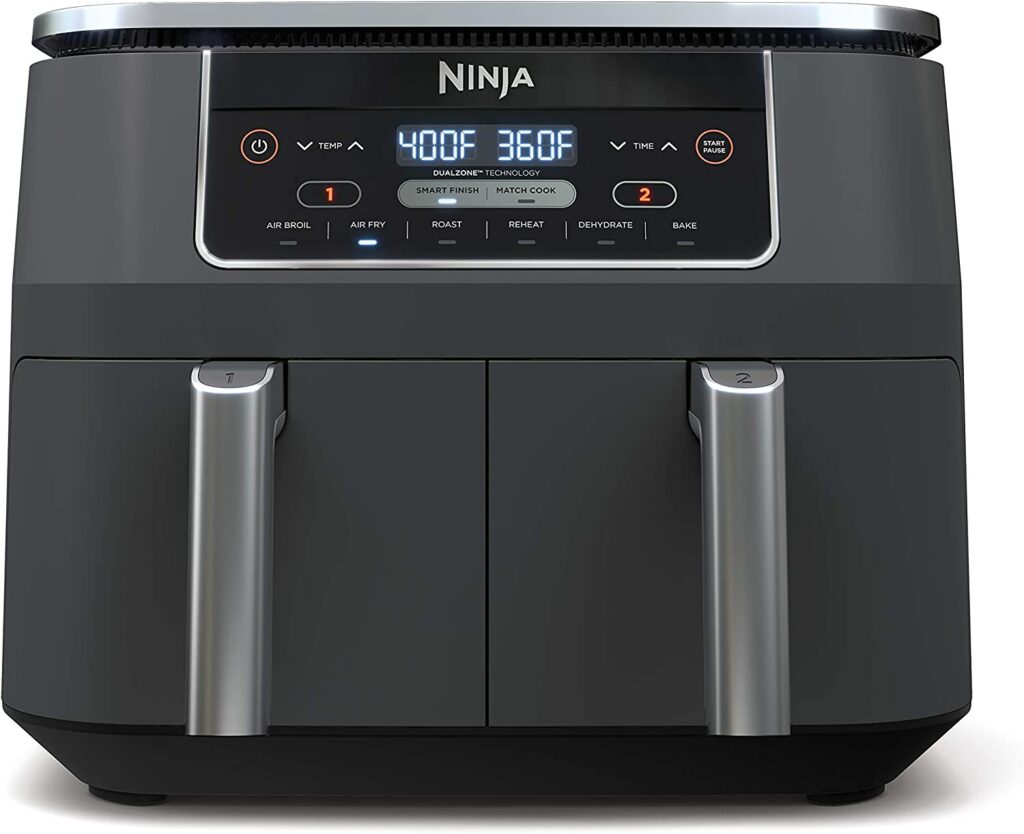
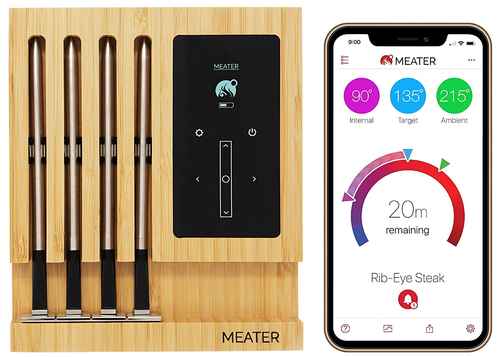
Lotus root, with its crisp texture, slightly sweet flavor, and intricate lacy appearance, is a culinary gem often celebrated in Asian cuisine. Rich in dietary fiber, vitamins, and minerals, it’s a versatile vegetable that can be stir-fried, braised, pickled, or even enjoyed as a snack. However, achieving the perfect balance of tenderness and crunch can be a challenge, particularly when using an air fryer-a modern kitchen appliance prized for producing crispy, evenly cooked food without excessive oil. The air fryer’s rapid hot-air circulation allows for healthier cooking while retaining the vegetable’s natural taste and texture. In this guide, we’ll explore the nuances of air-frying lotus root, from optimal temperatures and timing to troubleshooting common mistakes, ensuring your lotus root comes out golden, crisp, and delicious every time.
Optimal Air Fryer Temperature To Cook Lotus Root In Air Fryer
Cooking lotus root in an air fryer requires precise temperature control. Too low, and the slices may turn rubbery and undercooked; too high, and they risk burning on the edges while remaining raw inside. The ideal temperature is 375°F (190°C). At this temperature, the exterior achieves a golden-brown crispness while the interior remains tender yet retains a slight crunch.
For those seeking extra crispness, raising the temperature to 400°F (205°C) can create a more robustly browned surface. However, this requires careful monitoring, as the delicate lotus slices can quickly overcook. Conversely, lowering the temperature to around 350°F (175°C) can slow the cooking process and may be preferable if you plan to toss the lotus root in a glaze or sauce that requires extra time to adhere.
How Long To Cook Lotus Root In Air Fryer
Cooking time is closely tied to slice thickness and air fryer model. For evenly cut slices approximately ¼ inch thick, the typical cooking range is 12-15 minutes. Thinner slices may cook in as little as 8-10 minutes, while thicker slices (½ inch) could require up to 18 minutes.
It’s advisable to shake or turn the slices halfway through cooking. This promotes uniform browning and prevents sticking or uneven texture. Air fryers circulate hot air, so slices placed too closely may not cook evenly; a single layer is ideal, with slight spacing between slices.
How To Tell If It Is Done
Determining whether lotus root is perfectly cooked relies on a combination of visual cues and tactile checks:
- Color: The slices should be a light to medium golden-brown on the edges, with slightly translucent centers.
- Texture: Gently pierce a slice with a fork. It should resist slightly but not feel raw. Overly soft slices indicate overcooking, while hard, crunchy centers mean it needs more time.
- Taste: A subtle bite should yield a crisp exterior and a tender, nutty interior.
Ingredients Needed
For a basic air-fried lotus root recipe, you will need:
- Lotus root: 1 medium root, peeled and sliced ¼ inch thick
- Olive oil or sesame oil: 1-2 teaspoons for a light coating
- Salt: to taste
- Optional seasonings: black pepper, garlic powder, paprika, or a light soy glaze for flavor enhancement
How To Cook Lotus Root In Air Fryer
- Preparation: Peel the lotus root and slice evenly into ¼-inch rounds. Rinse briefly in cold water to remove excess starch, which helps maintain crispness. Pat dry thoroughly.
- Seasoning: Lightly brush or toss slices with oil and seasonings. Avoid over-coating, which can prevent crisping.
- Air Frying: Preheat the air fryer to 375°F (190°C). Arrange slices in a single layer in the basket. Cook for 12-15 minutes, shaking or flipping halfway through.
- Serving: Remove when golden-brown and slightly crisp. Serve hot as a snack, side dish, or salad topping.
What If I Use A Different Air Fryer Temperature?
Adjusting the temperature impacts both texture and cooking time.
- Higher temperature (400°F / 205°C): Results in crispier edges but may require monitoring every 2-3 minutes to avoid burning. Cooking time may reduce by 2-3 minutes.
- Lower temperature (350°F / 175°C): Produces a softer, more evenly cooked slice but increases cooking time by 3-5 minutes. Ideal if adding a sauce during the cooking process.
What If I Use A Different Air Fryer Cooking Time?
- Shorter time: Slices may remain undercooked and too crunchy in the center.
- Longer time: Increases the risk of dryness and brittleness, especially on the edges. Always check texture midway if adjusting time.
When Things Go Wrong
Common pitfalls and how to fix them:
- Soggy lotus root: Ensure slices are patted dry and not overcrowded. Lower temperature can also contribute.
- Burned edges, raw center: Slice too thick or cook at too high a temperature. Reduce temperature slightly or cut thinner slices.
- Sticking to basket: Lightly coat basket with oil or use parchment paper. Shaking halfway helps.
Expert Tips
- Uniform slices: Use a mandoline for consistent thickness, ensuring even cooking.
- Pre-soak slices: Briefly soak in water with a teaspoon of vinegar to prevent discoloration and maintain crispness.
- Flavor infusion: Toss slices in a light soy, honey, or sesame sauce for a glossy finish after air frying.
- Batch cooking: Avoid stacking slices; cook in batches to achieve optimal crispness.
- Storage: Cooked lotus root retains texture for 1-2 days in the fridge; reheat in the air fryer for best results.
FAQs
What Is The Best Way To Prepare Lotus Root Before Air Frying?
Start by peeling the lotus root with a vegetable peeler, then slice it evenly into 1/4 to 1/2 inch thick rounds. Soak the slices in water with a little vinegar for 10-15 minutes to prevent discoloration and remove excess starch. Pat them dry thoroughly before seasoning or applying oil.
Do I Need To Preheat The Air Fryer To Cook Lotus Root?
Yes, preheating the air fryer to 375°F (190°C) for 3-5 minutes ensures even cooking and a crisp texture. Skipping preheating may result in unevenly cooked slices that are soggy in the center.
How Long Should Lotus Root Be Air Fried For Optimal Crispiness?
Air fry lotus root slices at 375°F (190°C) for 15-20 minutes, flipping them halfway through. Cooking time may vary depending on slice thickness and air fryer model, so check for golden brown edges and a slightly crunchy texture.
Should I Season Lotus Root Before Or After Air Frying?
It is best to lightly coat the lotus root slices with oil and seasonings such as salt, pepper, garlic powder, or paprika before air frying. This helps the flavors adhere and enhances crispiness. Additional seasoning can be added after cooking if needed.
Can I Make Lotus Root Chips In An Air Fryer?
Yes, thinly sliced lotus root can be air fried into chips. Slice them about 1/8 inch thick, soak and dry, lightly oil and season, then air fry at 375°F (190°C) for 12-15 minutes, shaking the basket halfway through to ensure even cooking.
Do I Need To Soak Lotus Root Slices Before Air Frying?
Soaking is recommended to remove excess starch and prevent browning. A 10-15 minute soak in water with a little vinegar or lemon juice helps maintain the lotus root’s color and slightly improves crispiness.
Can Frozen Lotus Root Be Air Fried Directly Without Thawing?
Yes, frozen lotus root can be air fried directly, but it may require an extra 3-5 minutes of cooking time. Toss the frozen slices with a small amount of oil and seasoning, then air fry at 375°F (190°C), checking for desired crispiness.