How To Cook Meatloaf In Ninja Foodi Air Fryer [FULL GUIDE]
Recommended Equipments:
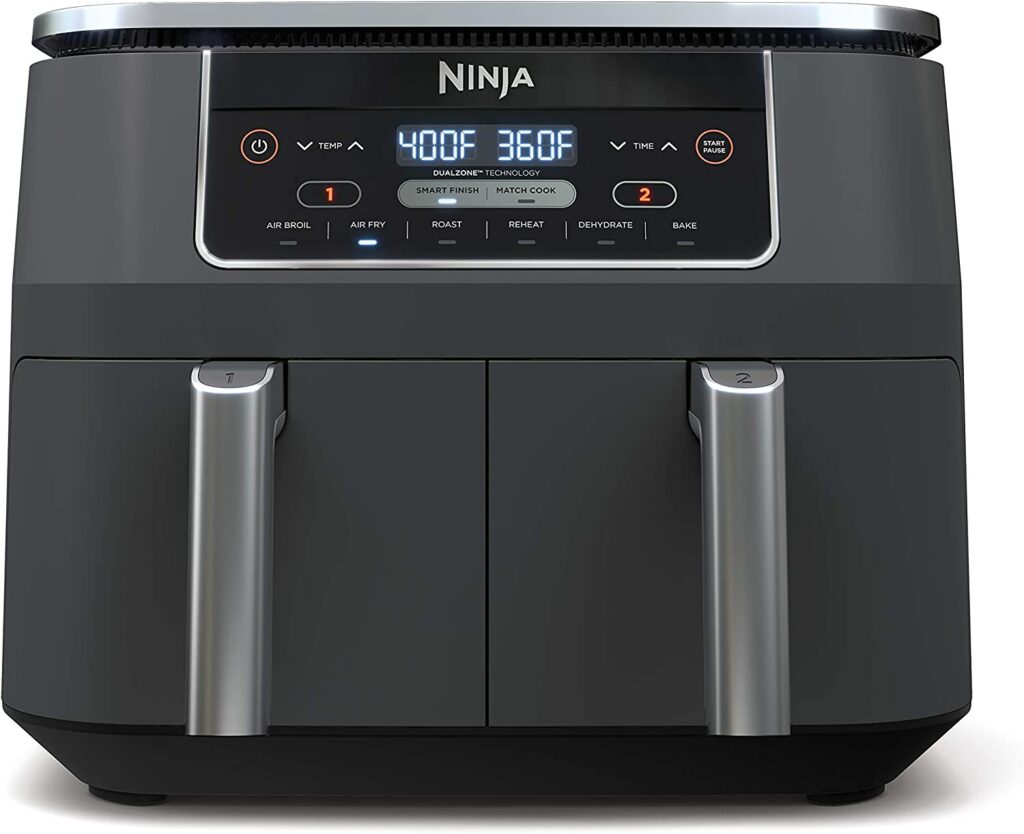
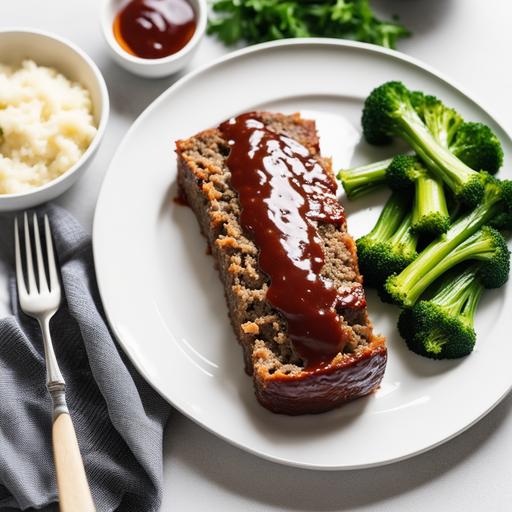
Meatloaf is a quintessential comfort food, cherished for its hearty flavor, tender texture, and nostalgic appeal. Traditionally baked in an oven, meatloaf can sometimes be prone to uneven cooking or a dry, overcooked exterior. Enter the Ninja Foodi Air Fryer-a versatile kitchen appliance that combines the convenience of air frying with precision cooking, offering a faster and more consistent way to achieve a perfectly cooked meatloaf. Using an air fryer can give your meatloaf a delightful crust while maintaining a juicy, tender interior. In this guide, we’ll explore the optimal settings, cooking times, troubleshooting tips, and expert advice to ensure your meatloaf comes out consistently delicious every time.
Optimal Air Fryer Temperature To Cook Meatloaf In Ninja Foodi Air Fryer
The temperature at which you cook meatloaf in the Ninja Foodi Air Fryer is crucial for both texture and flavor. Unlike traditional ovens, the air fryer circulates hot air rapidly around the food, creating a crisp exterior while sealing in juices. For meatloaf, the ideal temperature is 360°F (182°C).
-
Why 360°F Works Best
Cooking at this temperature allows the meatloaf to cook evenly without burning the outside. Higher temperatures, such as 400°F (204°C), can cause the exterior to brown too quickly while leaving the interior undercooked. Conversely, cooking at a lower temperature, such as 320°F (160°C), may prolong cooking time excessively and result in a less flavorful crust.
-
Temperature Control Tips
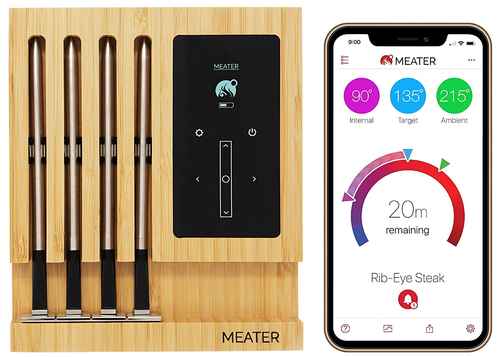
Use a digital thermometer to monitor the internal temperature. The Foodi’s air fryer basket ensures consistent heat circulation, but minor hotspots can occur if your meatloaf is large or thick. Positioning the meatloaf centrally in the basket ensures even exposure to the circulating hot air.
How Long To Cook Meatloaf In Ninja Foodi Air Fryer
Cooking time depends on the size and shape of your meatloaf, as well as the specific model of your Ninja Foodi Air Fryer. A standard 1 to 1.5-pound loaf typically requires 25-30 minutes at 360°F.
- Small or mini loaves: 18-22 minutes may suffice.
- Larger loaves (2 pounds or more): May require 35-40 minutes, and checking the internal temperature is critical.
Air fryers cook faster than conventional ovens because of their concentrated hot air flow, which is why you should avoid simply copying oven cooking times. Consistently checking for doneness ensures the meatloaf remains juicy and not overcooked.
How To Tell If It Is Done
The most reliable method to confirm doneness is using a meat thermometer. Insert it into the center of the meatloaf; the USDA recommends an internal temperature of 160°F (71°C) for ground beef or a mixed meatloaf.
Other indicators:
- Juices run clear: When you cut slightly into the center, there should be no pink liquid.
- Firmness: The loaf should feel firm but springy when pressed gently.
- Crust: The exterior should be evenly browned and slightly crisp.
Avoid relying solely on cooking time, as loaf density and ingredient composition can alter cooking speed.
Ingredients Needed
A classic, flavorful meatloaf requires a balance of protein, moisture, and seasoning. Here’s a typical ingredient list:
- 1 pound ground beef (or a mix of beef and pork for extra richness)
- 1/2 cup breadcrumbs or panko
- 1/2 cup finely chopped onions
- 1/2 cup milk
- 1 large egg
- 2 cloves garlic, minced
- 1 teaspoon salt
- 1/2 teaspoon black pepper
- 1 teaspoon Worcestershire sauce
- 1/2 teaspoon smoked paprika (optional for a smoky flavor)
- 1/4 cup ketchup or tomato sauce (plus extra for topping)
Optional variations: grated cheese, chopped bell peppers, or herbs like thyme and parsley for added depth.
How To Cook Meatloaf In Ninja Foodi Air Fryer
- Prepare the mixture: In a large bowl, combine all ingredients except ketchup for topping. Mix gently until evenly incorporated. Avoid overmixing to prevent a dense texture.
- Shape the loaf: Form the mixture into a loaf shape that will fit comfortably in your Foodi basket. A slightly flatter top ensures even cooking.
- Preheat the air fryer: Set the Ninja Foodi to 360°F and allow it to preheat for 3-5 minutes.
- Cook: Place the loaf in the basket. Cook for 25-30 minutes, checking internal temperature at 20 minutes.
- Add topping: Spread ketchup on top halfway through cooking or in the final 5 minutes for a caramelized glaze.
- Rest: Let the meatloaf rest for 5-10 minutes after removing it. This redistributes juices, enhancing tenderness.
What If I Use A Different Air Fryer Temperature?
Altering temperature changes texture and doneness:
- Higher temperatures (375-400°F): Faster cooking but risk of burning the exterior before the interior cooks fully.
- Lower temperatures (320-340°F): Slower, gentler cooking; produces a uniformly tender loaf but a less caramelized crust.
Adjust cooking times accordingly and monitor internal temperature closely to avoid over- or undercooking.
What If I Use A Different Air Fryer Cooking Time?
Cooking time impacts moisture and texture:
- Shorter times: May leave the center undercooked. Use a thermometer to ensure 160°F internally.
- Longer times: Can dry out the meatloaf. Resting after cooking helps, but it won’t reverse overcooking.
Always prioritize internal temperature over time alone, as loaf size and air fryer model influence results.
When Things Go Wrong
Even with careful preparation, issues can arise:
- Undercooked center: Return to air fryer for 5-10 minutes, then recheck.
- Dry or crumbly loaf: Usually due to overmixing, too little moisture, or excessive cooking. Use milk, eggs, or a mix of meats to improve moisture next time.
- Uneven browning: Rotate the basket halfway through cooking or flatten the top slightly for uniform exposure.
Expert Tips
- Line the basket with parchment paper to prevent sticking while allowing airflow.
- Do not overcrowd the basket: Ensure at least 1/2 inch clearance around the loaf for proper air circulation.
- Use a probe thermometer for consistent results.
- Experiment with mix-ins: Bacon strips on top can add flavor and moisture.
- Glaze creatively: A mixture of ketchup, brown sugar, and mustard caramelizes beautifully in the air fryer.
FAQs
How Long Does It Take To Cook Meatloaf In A Ninja Foodi Air Fryer?
Most meatloaf recipes cook in 25 to 35 minutes at 375°F, depending on loaf thickness and internal temperature checks. The meatloaf should reach 160°F at its center.
Do I Need To Preheat The Ninja Foodi Before Cooking Meatloaf?
Yes. Preheating for 3 to 5 minutes ensures even cooking and helps the meatloaf develop a firm exterior while retaining moisture inside.
Should I Use The Air Crisp Or Bake/roast Function For Meatloaf?
Both settings can work, but bake/roast is recommended for even interior cooking. Air crisp can be used during the last few minutes to brown the top.
Can I Cook Meatloaf In A Loaf Pan Inside The Ninja Foodi?
Yes. Small loaf pans that fit inside the air fryer basket work well. They help the meatloaf hold shape and retain juices during cooking.
Should I Cover The Meatloaf While Air Frying?
Covering is not required, but loosely tenting with foil for the first half of cooking can prevent excessive browning. Remove the foil for the final 10 minutes.
Can I Add Glaze To The Meatloaf While It Cooks?
Yes. Brush the glaze on during the last 5 to 10 minutes of cooking to prevent burning and to allow it to caramelize properly.
How Do I Keep Meatloaf From Drying Out In The Ninja Foodi?
Use a mixture with sufficient binding ingredients such as eggs and breadcrumbs, avoid overmixing the meat, and monitor internal temperature to prevent overcooking.