
How To Dehydrate Basil In Air Fryer [FULL GUIDE]
Recommended Equipments:
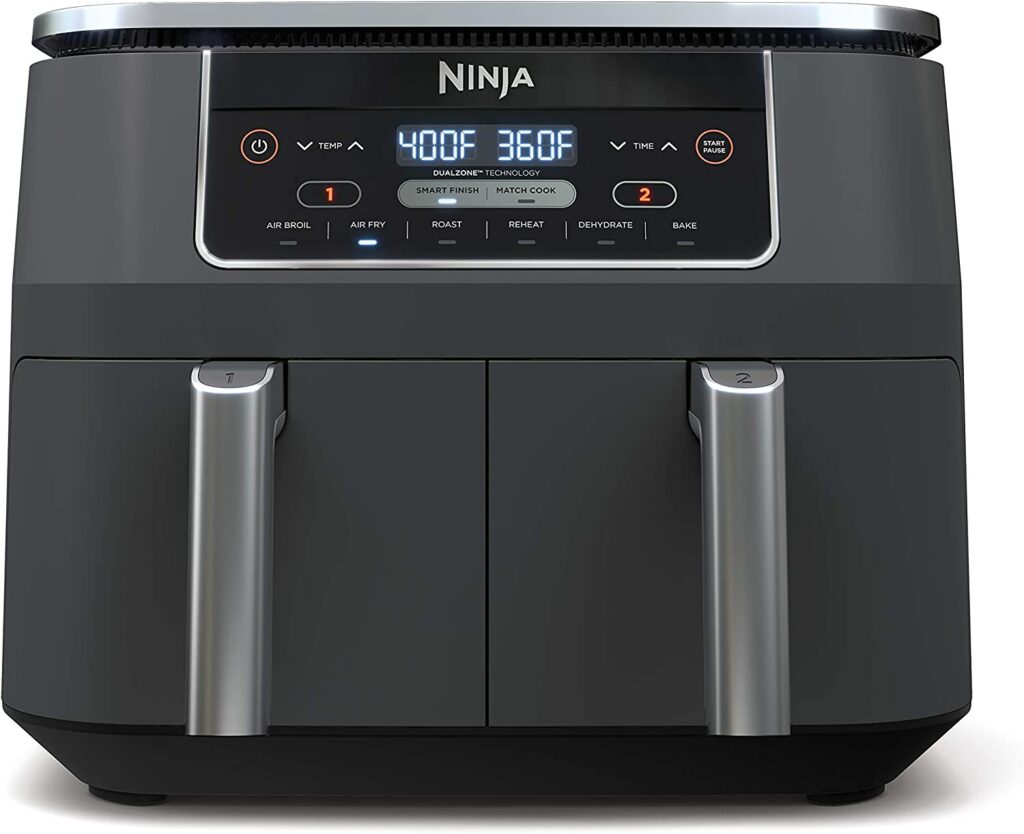
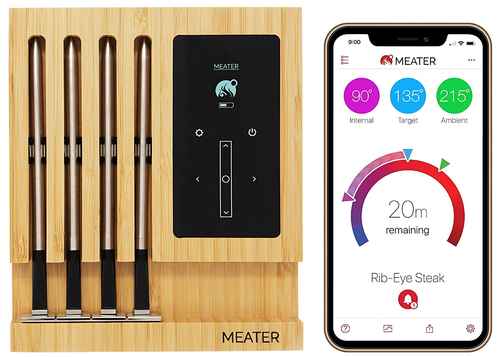
Basil, with its aromatic, slightly sweet, and peppery notes, is a cornerstone of countless culinary traditions-from the bright freshness of Italian pesto to the subtle flavoring in Thai curries. While fresh basil is delightful, it is perishable, wilting within days even under refrigeration. Dehydrating basil not only preserves its flavor but also condenses its essence into a more potent, shelf-stable form. Traditionally, dehydrating herbs required low-temperature ovens or dedicated dehydrators, but modern kitchens increasingly turn to the air fryer as a convenient, rapid alternative. With its circulating hot air and adjustable temperature controls, an air fryer offers an efficient method to dry basil leaves without sacrificing flavor or aroma.
Successfully dehydrating basil in an air fryer, however, requires attention to detail. Leaf texture, size, moisture content, and even the air fryer model all influence results. This guide delves deeply into every aspect of air fryer herb dehydration, helping you produce fragrant, perfectly dried basil leaves every time.
Optimal Air Fryer Temperature To Dehydrate Basil In Air Fryer
The key to dehydrating basil in an air fryer is maintaining a temperature low enough to avoid burning or scorching delicate leaves while high enough to remove moisture efficiently. For most air fryers, a temperature between 95°F (35°C) and 115°F (46°C) is ideal.
- Why low temperatures matter: Basil leaves contain volatile oils responsible for their flavor. Exposing them to high heat can cause these oils to evaporate, leaving leaves that are dry but bland.
- Avoiding scorching: Basil leaves are thin and tender. Temperatures above 120°F (49°C) can lead to browned, brittle leaves with a burnt taste.
- Consistency: Because air fryers can have hotspots, it’s best to use the lower end of the temperature range and extend the drying time rather than risk overheating.
Some air fryers do not register temperatures below 160°F (71°C). In such cases, you can dry basil using the ’Keep Warm’ or ’Dehydrate’ setting if available, monitoring closely to prevent over-drying.
How Long To Dehydrate Basil In Air Fryer
Dehydration time depends on leaf thickness, initial moisture content, and air circulation. Typically:
- Small, tender leaves: 20-25 minutes
- Larger, mature leaves: 25-35 minutes
Unlike oven drying, the air fryer circulates heat rapidly, reducing dehydration time. However, it is crucial to check leaves frequently to prevent burning. For optimal results, rotate the basket halfway through to ensure even airflow and consistent drying.
How To Tell If It Is Done
Determining when basil is properly dehydrated is mostly sensory:
- Texture: Leaves should be completely dry and brittle to the touch. They should crumble easily between your fingers rather than bend.
- Color: Leaves will maintain a vibrant green rather than turning dark or brown. A slight dulling of color is normal.
- Smell: Properly dried basil retains its signature aroma. A faintly toasted scent indicates overheating.
If any leaves feel pliable or soft, continue drying in short increments of 2-5 minutes, checking after each cycle.
Ingredients Needed
To dehydrate basil in an air fryer, you need only a minimal set of ingredients:
- Fresh basil leaves (organic preferred for purity)
- Optional: a light spritz of water or olive oil if pre-washing leaves (note: avoid excess moisture)
No additional seasonings or preservatives are required-this is purely about drying the herb to preserve its natural essence.
How To Dehydrate Basil In Air Fryer
- Preparation: Wash basil leaves gently and pat dry with a paper towel. Remove any thick stems.
- Layering: Arrange leaves in a single layer in the air fryer basket. Overlapping leaves will slow the drying process and may result in unevenly dried herbs.
- Temperature Setting: Set the air fryer to 95-115°F (35-46°C) or use the dehydrate/keep warm setting.
- Timing: Start with 20 minutes. Check leaves, rotate the basket, and continue in 5-minute increments until leaves crumble easily.
- Cooling: Let leaves cool completely before storing to prevent residual moisture from causing mold.
Store dehydrated basil in an airtight container away from light and heat for up to 12 months.
What If I Use A Different Air Fryer Temperature?
- Too high (above 120°F/49°C): Leaves may burn or turn brown quickly, losing both aroma and flavor.
- Too low (below 90°F/32°C): Dehydration will be very slow, potentially taking several hours and risking spoilage if humidity is high.
It’s better to slightly underestimate temperature and increase time gradually rather than risk ruining the leaves with high heat.
What If I Use A Different Air Fryer Cooking Time?
- Too short: Leaves will remain soft and may mold in storage.
- Too long: Leaves will become brittle and may burn, resulting in a loss of color and essential oils.
Frequent checks and small incremental adjustments in timing are the safest approach.
When Things Go Wrong
Even with careful monitoring, issues can arise:
- Leaves are brown or scorched: Lower the temperature next time and reduce drying time.
- Leaves are soft or moldy after storage: Likely under-dried. Return to the air fryer at a low temperature to finish drying.
- Uneven drying: Shake or rotate the basket every 10 minutes to allow consistent airflow.
Expert Tips
- Batch size matters: Avoid overcrowding; smaller batches dry more evenly.
- Leaf size: Uniform leaf size ensures consistent drying.
- Air fryer model: Each model has different airflow and wattage. Start with the lower end of recommended settings and adjust as needed.
- Storage: Use dark glass jars with tight lids to protect flavor and color. Avoid plastic over long-term storage.
- Optional pre-treatment: Some chefs blanch leaves briefly in boiling water to preserve color before air fryer drying-but this is optional.
FAQs
What Is The Best Method To Dehydrate Basil In An Air Fryer?
The best method involves washing and thoroughly drying fresh basil leaves, then spreading them in a single layer in the air fryer basket. Set the air fryer to a low temperature, typically 95-115°F (35-46°C), and dehydrate for 1-2 hours, checking periodically until the leaves are crisp and brittle.
Can I Dehydrate Basil In An Air Fryer Without Removing The Stems?
It is recommended to remove thick stems before dehydrating, as they do not dry evenly and can retain moisture, potentially leading to uneven dehydration or spoilage. Tender stems can be left attached if desired, but thick woody stems should be discarded.
How Do I Know When Basil Is Fully Dehydrated In An Air Fryer?
Basil is fully dehydrated when the leaves are completely dry, brittle, and crumble easily when rubbed between your fingers. If any moisture remains, the basil may mold during storage.
What Temperature Should I Use To Dehydrate Basil In An Air Fryer?
Use a low temperature setting, ideally between 95-115°F (35-46°C). Higher temperatures can cook the leaves instead of dehydrating them, causing loss of flavor and color.
How Long Does It Take To Dehydrate Basil In An Air Fryer?
Dehydration typically takes 1-2 hours depending on leaf thickness, moisture content, and air fryer model. It is recommended to check every 20-30 minutes to avoid over-drying or burning.
How Should Dehydrated Basil Be Stored?
Once fully dehydrated, store basil in an airtight container, away from heat, light, and moisture. Glass jars or vacuum-sealed bags work best, and properly stored basil can retain flavor for up to a year.
Can I Dehydrate Other Herbs Using The Same Air Fryer Method As Basil?
Yes, most delicate herbs such as thyme, oregano, and parsley can be dehydrated using similar air fryer settings. Adjust time based on leaf thickness and moisture content, and always use low temperatures to preserve flavor and color.