
How To Cook Frozen Ribeye In Air Fryer [FULL GUIDE]
Recommended Equipments:
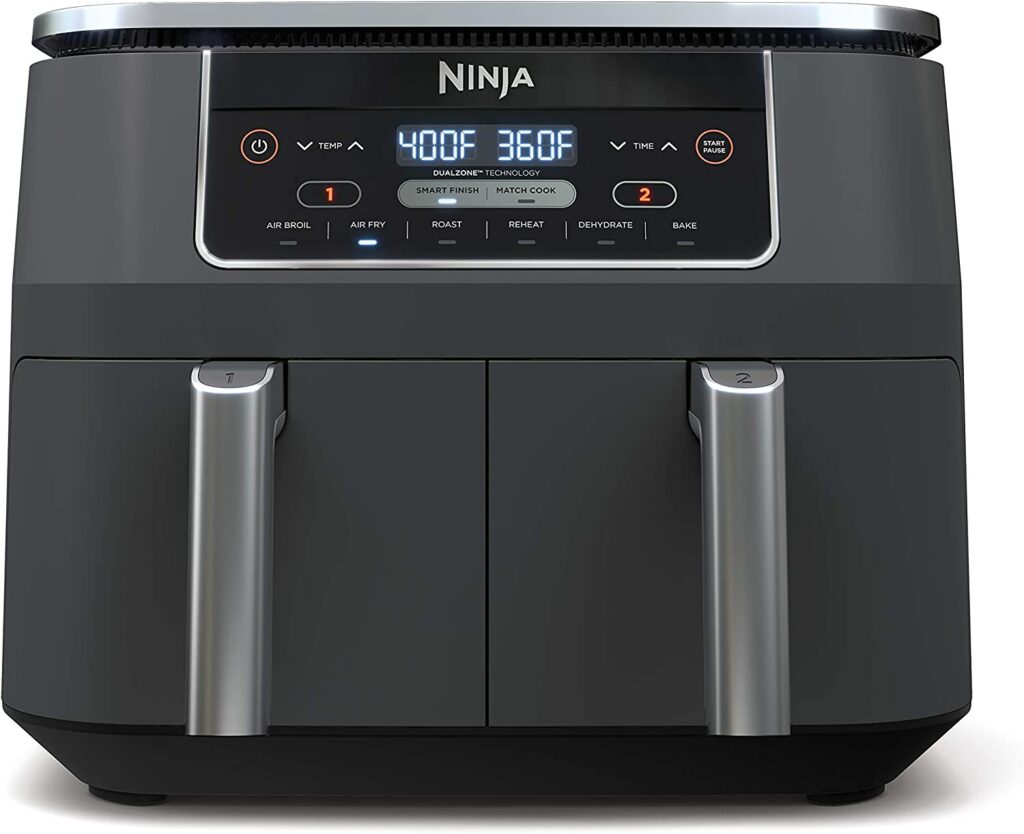
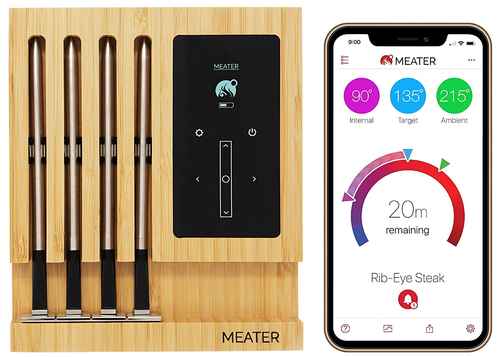
Few experiences in the culinary world rival the sheer satisfaction of biting into a perfectly cooked ribeye steak-juicy, tender, and bursting with flavor. But what if your ribeye is frozen and you don’t want to wait hours for it to thaw? Enter the air fryer, a kitchen marvel that combines rapid circulation of hot air with the convenience of minimal cleanup. While air fryers are often associated with crispy fries and chicken wings, they are surprisingly adept at cooking thick, frozen cuts of meat like ribeye. Mastering the art of air-frying a frozen ribeye requires an understanding of temperature, timing, and technique. This guide delves deeply into each factor to ensure your steak emerges juicy on the inside, seared on the outside, and bursting with flavor.
Optimal Air Fryer Temperature To Cook Frozen Ribeye In Air Fryer
Temperature control is the cornerstone of cooking a frozen ribeye perfectly. Unlike fresh steak, frozen ribeye requires a slightly more deliberate approach to prevent the outer edges from overcooking while the interior remains icy. The optimal air fryer temperature for a frozen ribeye is 400°F (204°C).
This temperature strikes a balance between a rapid sear and gentle interior cooking. At 400°F, the steak develops a caramelized crust due to the Maillard reaction-the chemical process that turns the surface of proteins into golden-brown, flavor-packed perfection. If the temperature is too low, the steak may end up grayish and unappetizing on the surface; too high, and you risk a dry, overcooked outer layer before the center even warms through.
How Long To Cook Frozen Ribeye In Air Fryer
Timing is equally critical when working with a frozen ribeye. On average, a 1-inch thick ribeye steak will take roughly 12-16 minutes to cook from frozen in an air fryer, flipping halfway through. Thicker cuts-1.5 to 2 inches-can take 18-22 minutes, depending on your desired level of doneness.
It’s important to note that air fryer models vary. Some circulate heat more aggressively, meaning you should start checking a few minutes before the expected finish time to avoid overcooking. Cooking frozen steak is not just about time; it’s about attentive monitoring and adjusting based on real-time observation.
How To Tell If It Is Done
The most reliable method to determine doneness is using a meat thermometer. Insert it into the thickest part of the steak:
- Rare: 120-125°F (49-52°C)
- Medium-rare: 130-135°F (54-57°C)
- Medium: 140-145°F (60-63°C)
- Medium-well: 150-155°F (65-68°C)
- Well-done: 160°F+ (71°C+)
If you don’t have a thermometer, look for visual cues: the exterior should be deep brown with a hint of crust, and the steak should yield slightly under finger pressure, springing back gently. Remember, frozen steak continues to cook slightly after removal from the fryer due to residual heat, so a few degrees lower than your target temperature is perfect.
Ingredients Needed
To elevate a frozen ribeye in an air fryer, simplicity is key:
- Frozen ribeye steak (1-2 inches thick)
- Olive oil or melted butter (1-2 tsp) to promote browning
- Kosher salt (to taste)
- Freshly ground black pepper (to taste)
- Optional: garlic powder, smoked paprika, or rosemary for added flavor
No complex marinades are needed at this stage; the goal is to accentuate the ribeye’s natural flavors while ensuring a perfect sear.
How To Cook Frozen Ribeye In Air Fryer
- Preheat the Air Fryer: Set your air fryer to 400°F (204°C) and preheat for 5 minutes.
- Season the Steak: Lightly brush the frozen ribeye with olive oil or melted butter. Sprinkle salt, pepper, and optional seasonings on both sides.
- Cook the Steak: Place the steak in the air fryer basket, ensuring it is not crowded. Cook for 6-8 minutes, then flip.
- Continue Cooking: Cook for another 6-8 minutes, checking the internal temperature at the thickest point. Adjust time based on desired doneness.
- Rest the Steak: Remove the steak and let it rest for 5-10 minutes. This allows juices to redistribute, ensuring a tender bite.
What If I Use A Different Air Fryer Temperature?
Altering the temperature can significantly impact texture:
- Lower (350-375°F / 177-190°C): Slower cooking, which may prevent overcooking but can reduce the intensity of the sear. Ideal if your steak is particularly thick.
- Higher (425-450°F / 218-232°C): Quicker crust formation, but higher risk of an overcooked exterior with an undercooked center. Requires close monitoring.
In short, 400°F is a sweet spot for even cooking from frozen.
What If I Use A Different Air Fryer Cooking Time?
Cooking time adjustments follow a similar principle:
- Shorter time: Steak may remain undercooked or partially frozen inside.
- Longer time: Steak risks becoming dry and tough, particularly at higher temperatures.
Always rely on a meat thermometer or visual cues rather than exact minutes alone, especially with frozen cuts.
When Things Go Wrong
Mistakes happen, and air-frying a frozen ribeye is no exception:
- Undercooked center: Return the steak to the fryer for 2-4 minute increments until the desired temperature is reached.
- Dry exterior: Reduce heat next time or brush with more fat (oil/butter) before cooking.
- Uneven cooking: Ensure steak is centered in the basket and not crowded. Flip halfway through cooking.
Even seasoned cooks face these hiccups-adjustments are part of the process.
Expert Tips
- Patience is key: Resist the urge to cook frozen steak as fast as possible. Slow, even heat produces better texture.
- Use a thermometer: Don’t rely solely on time. Internal temperature is king.
- Season liberally: Frozen meat can appear bland; salt early, herbs later.
- Resting matters: Resting ensures every bite is juicy and tender.
- Experiment with finishing touches: A small pat of butter, a sprinkle of herbs, or a quick broil post-air fryer can add gourmet flair.
FAQs
Can I Cook A Frozen Ribeye Steak Directly In The Air Fryer?
Yes, you can cook a frozen ribeye steak directly in the air fryer without thawing. The air fryer’s high circulating heat allows the steak to cook evenly. However, cooking time will be longer than for a thawed steak, and seasoning may need to be applied after initial cooking or halfway through.
What Temperature Should I Set My Air Fryer For A Frozen Ribeye?
For a frozen ribeye, set your air fryer to 400°F (204°C). This temperature provides a good balance between searing the outside and cooking the inside evenly. You may need to adjust slightly depending on steak thickness and desired doneness.
How Long Does It Take To Cook A Frozen Ribeye In An Air Fryer?
Cooking time typically ranges from 15 to 25 minutes, depending on the steak’s thickness and desired doneness. A 1-inch frozen ribeye usually takes about 20 minutes, flipping halfway through to ensure even cooking.
Do I Need To Season A Frozen Ribeye Before Air Frying?
You can season a frozen ribeye before air frying, but the seasoning may not stick well to the frozen surface. For best results, lightly season halfway through cooking when the steak starts to thaw and moisture has reduced, then finish cooking with the seasoning applied.
Should I Flip The Ribeye Steak While It Cooks In The Air Fryer?
Yes, flipping the steak halfway through cooking is recommended. This ensures even cooking on both sides and helps achieve a consistent sear. For thicker steaks, flipping more than once may improve heat distribution.
How Can I Check The Doneness Of A Frozen Ribeye In The Air Fryer?
The most reliable method is to use a meat thermometer. Target internal temperatures are: 125°F (52°C) for rare, 135°F (57°C) for medium-rare, 145°F (63°C) for medium, 155°F (68°C) for medium-well, and 160°F (71°C) for well-done. Insert the thermometer into the thickest part of the steak.
Can I Get A Good Sear On A Frozen Ribeye In An Air Fryer?
While an air fryer can produce a browned exterior, it may not achieve the same deep sear as a hot skillet or grill. To enhance the crust, you can preheat the air fryer for 5 minutes before cooking and optionally finish the steak in a hot pan for 1-2 minutes per side after air frying.