
How To Dehydrate Tomatoes In Air Fryer [FULL GUIDE]
Recommended Equipments:
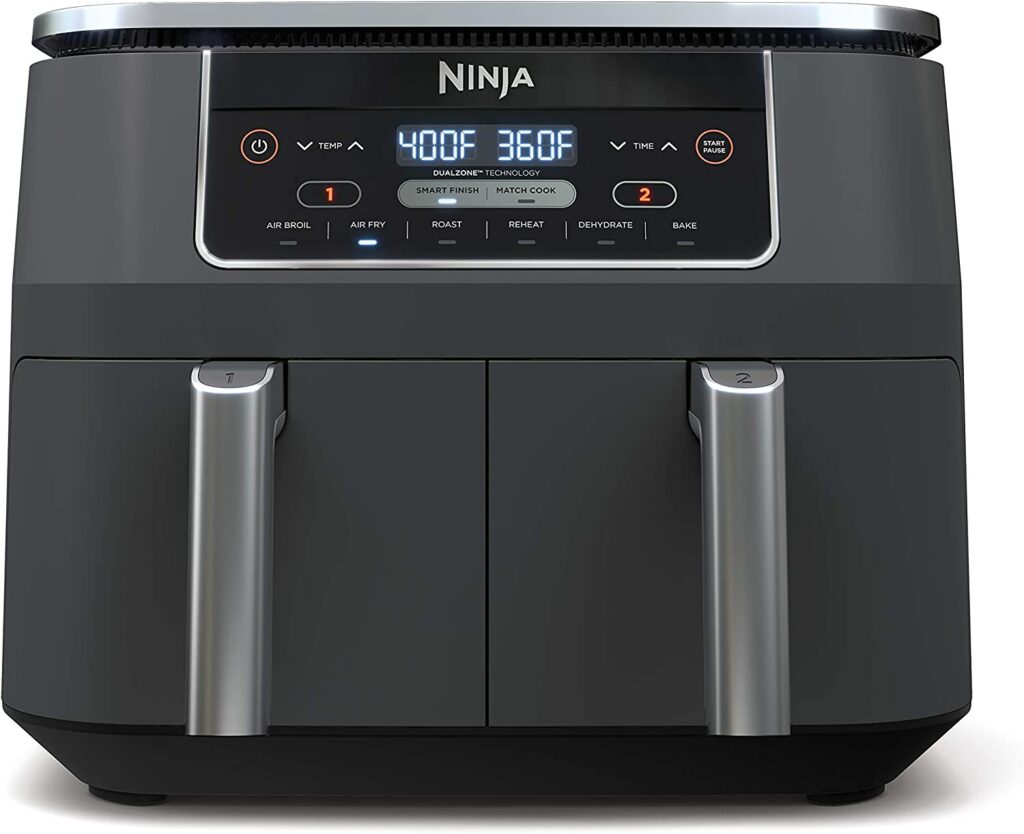

Dehydrated tomatoes are a culinary treasure, offering a concentrated burst of flavor, versatility, and long shelf life. From enhancing pasta sauces, soups, and stews to serving as a savory snack, dehydrated tomatoes are a pantry staple for both home cooks and gourmet chefs alike. Traditionally, dehydrating tomatoes involved the slow process of oven drying or sun drying, both of which can be time-consuming and labor-intensive. Enter the air fryer-a modern kitchen marvel that uses rapid air circulation to cook food evenly and efficiently. Beyond its usual applications for crisping and roasting, the air fryer can be an excellent tool for dehydrating tomatoes, reducing preparation time while retaining maximum flavor and nutrients. However, mastering this process requires attention to detail, from temperature settings to drying times, and a careful eye for when the tomatoes are perfectly dried.
Optimal Air Fryer Temperature To Dehydrate Tomatoes In Air Fryer
Temperature is the most critical factor in dehydrating tomatoes. Unlike frying or roasting, dehydration requires gentle heat over an extended period to remove moisture without cooking the tomato or causing it to burn. For most air fryers, the optimal temperature for dehydrating tomatoes falls between 125°F to 135°F (52°C to 57°C).
- Why low heat matters: Tomatoes contain a high water content. At higher temperatures, the outer layer can cook too quickly, creating a seal that traps moisture inside, leading to uneven drying or a rubbery texture.
- Fan circulation: Air fryers work by circulating hot air, which speeds up the evaporation process. Setting the correct temperature ensures that moisture is drawn out gradually, preserving flavor and preventing scorching.
Some advanced air fryers have a ’dehydrate’ function, which automatically sets the temperature and circulation pattern, making this process foolproof. If your air fryer does not have this setting, manually adjusting to the lower temperature range is key.
How Long To Dehydrate Tomatoes In Air Fryer
The dehydration time varies depending on tomato size, thickness, and water content. On average:
- Cherry or grape tomatoes (halved): 6-8 hours
- Roma or plum tomatoes (sliced ¼ inch thick): 8-10 hours
- Beefsteak or larger varieties (sliced ¼ inch thick): 10-12 hours
Unlike traditional cooking, dehydration is slow and requires patience. Opening the air fryer frequently to check moisture can disrupt the drying process, so it’s best to rely on visual and tactile cues once the minimum time has passed.
How To Tell If It Is Done
Determining when tomatoes are fully dehydrated is crucial to avoid spoilage. Indicators include:
- Texture: Dehydrated tomatoes should feel leathery, slightly flexible, and not sticky or moist. They should not snap or crumble unless fully dried to a brittle state for long-term storage.
- Appearance: The color deepens, and the tomatoes shrink significantly.
- Moisture check: Press a slice lightly between your fingers-if any juice is released, they need more time.
A good rule of thumb is that tomatoes should be pliable but dry to the touch. For storage, a few hours in the air fryer at slightly higher temperature can remove remaining moisture if needed.
Ingredients Needed
Dehydrating tomatoes requires minimal ingredients:
- Fresh ripe tomatoes (Roma or plum varieties recommended)
- Optional: salt (for flavor enhancement or preservation)
- Optional: olive oil (for lightly coated sun-dried style flavor)
No additional water, oil, or preservatives are necessary unless desired for flavoring.
How To Dehydrate Tomatoes In Air Fryer
- Prep the tomatoes: Wash, core, and slice tomatoes uniformly, ideally ¼ inch thick. Halve small cherry tomatoes for even drying.
- Optional seasoning: Lightly sprinkle with salt or toss in a small amount of olive oil for added flavor.
- Arrange in the air fryer: Lay the tomato slices in a single layer on the air fryer basket or tray. Ensure they don’t overlap to allow proper airflow.
- Set temperature: Preheat the air fryer to 125°F-135°F (52°C-57°C).
- Start dehydration: Cook for the estimated time depending on tomato type. Rotate trays or stir slices halfway through if your air fryer requires it for even circulation.
- Check doneness: After the minimum time, check for flexibility and dryness. Continue dehydration in 30-60 minute increments until fully dried.
- Cool and store: Let tomatoes cool completely before storing in airtight containers or vacuum-sealed bags.
What If I Use A Different Air Fryer Temperature?
- Higher temperature (>150°F / 65°C): Tomatoes may cook or burn instead of dehydrate. Moisture can get trapped, causing uneven drying or a chewy, less shelf-stable product.
- Lower temperature (<120°F / 49°C): Dehydration may take excessively long, and moisture might not evaporate effectively, increasing the risk of mold growth during storage.
Always balance temperature with time to ensure gradual moisture removal.
What If I Use A Different Air Fryer Cooking Time?
- Shorter time: Tomatoes will retain too much moisture, risking spoilage and a rubbery texture.
- Longer time: Fully dried tomatoes will be brittle, potentially losing some flavor oils and natural sweetness.
Adjustments in time should always be paired with checking texture and moisture. Dehydration is more about feel and flexibility than strict timing.
When Things Go Wrong
Common issues and fixes:
- Moldy tomatoes: Likely from insufficient dehydration or storage with residual moisture. Extend drying time and ensure proper storage.
- Uneven drying: Caused by overcrowded trays or inconsistent slicing. Always slice uniformly and space tomatoes evenly.
- Burning or overcooking: Temperature too high. Lower heat and increase drying time to avoid scorching.
Expert Tips
- Slice tomatoes uniformly-thinner slices dehydrate faster.
- Rotate trays halfway through the process for even drying.
- For an extra flavor boost, sprinkle herbs (like thyme or oregano) before dehydration.
- Store dehydrated tomatoes in airtight containers away from sunlight for up to a year. Vacuum sealing significantly extends shelf life.
- If unsure, slightly under-dehydrate. They can always be returned to the air fryer for additional drying, but once burnt, flavor is lost.
FAQs
What Types Of Tomatoes Are Best For Dehydrating In An Air Fryer?
Roma, plum, and cherry tomatoes are ideal for dehydrating because they have lower water content and fewer seeds. These varieties dry more evenly and retain a concentrated flavor. Larger tomatoes like beefsteak can also be used but may require slicing thinner to ensure even dehydration.
Do I Need To Peel Or Seed Tomatoes Before Dehydrating Them In An Air Fryer?
Peeling is optional, but removing seeds is recommended for a smoother texture and faster drying time. Cherry and Roma tomatoes often require no peeling, but slicing larger tomatoes and gently scooping out seeds can prevent excess moisture and speed up dehydration.
What Is The Optimal Temperature And Time For Dehydrating Tomatoes In An Air Fryer?
Set the air fryer to a low temperature, typically between 125°F to 140°F (50°C to 60°C). Dehydration usually takes 6 to 10 hours depending on tomato size, thickness, and water content. It’s best to check periodically and rotate trays to ensure even drying.
Should I Slice Tomatoes Before Placing Them In The Air Fryer?
Yes, slicing tomatoes evenly-about 1/4 inch thick-is recommended for uniform drying. Thicker slices retain more moisture and take longer to dehydrate, while thinner slices dry faster but may become brittle.
How Do I Store Air-fried Dehydrated Tomatoes?
Once fully dehydrated, store tomatoes in an airtight container in a cool, dark place. They can last 6-12 months if completely dry. For long-term storage, vacuum-sealing or refrigeration can further extend shelf life.
Can I Season Tomatoes Before Dehydrating In An Air Fryer?
Yes, you can lightly season tomatoes with salt, herbs, or spices before dehydrating. Salt draws out moisture, potentially speeding up drying, while herbs can enhance flavor. Avoid excessive oil, as it can slow dehydration and may cause uneven drying.
How Can I Tell When Tomatoes Are Fully Dehydrated In An Air Fryer?
Dehydrated tomatoes should be leathery and slightly flexible but not sticky or moist. Smaller tomatoes like cherry tomatoes may become brittle. Any retained moisture can lead to spoilage, so it’s important to test several pieces before storage.