How To Roast Veg In Air Fryer [FULL GUIDE]
Recommended Equipments:
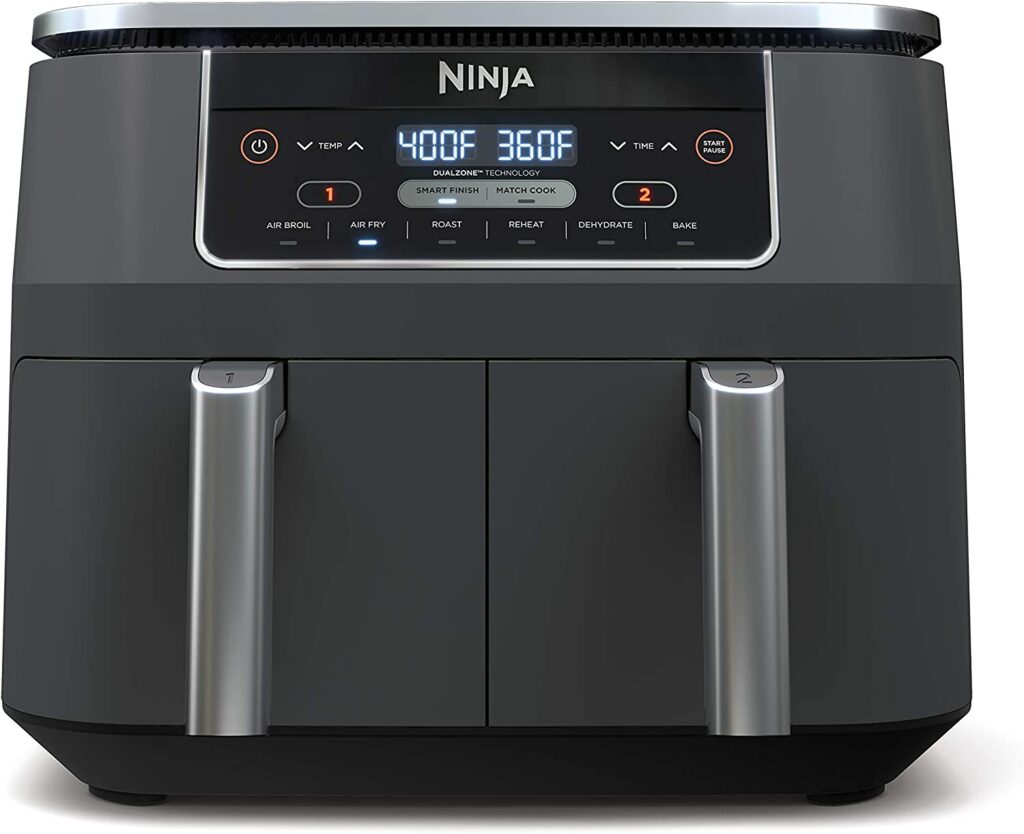
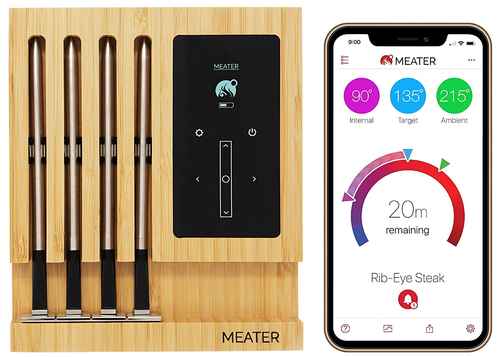
Roasting vegetables has long been celebrated as one of the simplest yet most flavorful ways to elevate humble ingredients. With the advent of air fryers, achieving that perfect balance of caramelized edges, tender interiors, and intensified natural flavors has become quicker and more convenient than ever. Unlike traditional oven roasting, which often requires preheating and long cooking times, air fryers use rapid hot air circulation to cook food evenly while reducing cooking time and oil usage. This method produces vegetables that are crisp on the outside, juicy on the inside, and intensely flavorful, all while preserving nutrients that can be lost in other cooking methods. Whether you are a novice in the kitchen or a seasoned home chef, mastering air fryer roasted vegetables opens a world of possibilities for healthy, versatile meals.
Optimal Air Fryer Temperature To Roast Veg In Air Fryer
The ideal air fryer temperature for roasting vegetables is typically 375°F to 400°F (190°C to 204°C). This temperature range is high enough to caramelize the natural sugars in vegetables, creating a golden-brown crust, yet gentle enough to prevent burning or drying out the softer vegetables. Some denser vegetables, such as carrots, sweet potatoes, and Brussels sprouts, benefit from the upper end of this temperature range (around 400°F) to ensure thorough cooking and caramelization. More delicate vegetables, such as zucchini, bell peppers, or mushrooms, respond better to slightly lower temperatures (around 375°F) to avoid becoming mushy or overly crisp.
Temperature control is crucial because it influences texture, color, and flavor. Too low, and the vegetables can become limp and underdeveloped in flavor; too high, and they risk burning on the outside while remaining raw inside. A balance of heat and timing ensures a uniform roast with enhanced natural sweetness.
How Long To Roast Veg In Air Fryer
Cooking times vary depending on the type, size, and density of vegetables. As a general guideline:
- Root vegetables (carrots, parsnips, sweet potatoes, beets): 18-25 minutes
- Brussels sprouts: 15-20 minutes
- Broccoli and cauliflower florets: 12-18 minutes
- Bell peppers, zucchini, or asparagus: 8-15 minutes
- Mushrooms: 10-12 minutes
It’s important to shake or stir the vegetables halfway through cooking to ensure even roasting. Smaller or thinner-cut pieces roast faster, while larger chunks require slightly longer cooking times. Using a uniform size for all pieces is key to achieving consistent results.
How To Tell If It Is Done
Properly roasted vegetables exhibit certain visual and tactile cues:
- Color: A rich golden brown or slightly charred edge indicates caramelization.
- Texture: Exterior should be crisp while the interior remains tender. Root vegetables should yield slightly when pierced with a fork.
- Aroma: Well-roasted vegetables emit a sweet, nutty aroma, signaling that natural sugars have caramelized.
- Taste: A final taste test is the ultimate indicator. Roasted vegetables should have a balance of sweetness, slight savoriness, and a satisfying bite.
Overcooked vegetables will appear shriveled or burnt, while undercooked vegetables will feel hard and bland.
Ingredients Needed
For a simple and flavorful roasted vegetable mix, gather the following:
- 2 cups of mixed vegetables (e.g., carrots, zucchini, bell peppers, broccoli, Brussels sprouts)
- 1-2 tablespoons of olive oil or avocado oil
- Salt and pepper to taste
- Optional seasonings: garlic powder, smoked paprika, Italian herbs, cumin, or fresh herbs like rosemary or thyme
The choice of oil is essential as it not only adds flavor but also promotes browning. Minimal oil is required in an air fryer compared to traditional roasting.
How To Roast Veg In Air Fryer
- Prepare Vegetables: Wash, peel (if necessary), and cut vegetables into uniform pieces.
- Season: Toss vegetables with oil, salt, pepper, and any optional seasonings until evenly coated.
- Preheat Air Fryer: If your model recommends preheating, set it to 375-400°F.
- Arrange in Basket: Spread vegetables in a single layer without overcrowding to allow proper air circulation.
- Roast: Cook for the recommended time, shaking or stirring halfway through for even browning.
- Check Doneness: Test with a fork and observe color and texture. Cook slightly longer if needed.
- Serve: Enjoy immediately for optimal crispness, or use in salads, bowls, or side dishes.
What If I Use A Different Air Fryer Temperature?
Adjusting temperature alters cooking dynamics:
- Lower temperature (below 375°F): Vegetables cook slower, which can reduce crispiness but may allow more even cooking for delicate veggies.
- Higher temperature (above 400°F): Vegetables roast faster and develop more intense browning but are at higher risk of burning before the inside cooks through.
If you experiment with temperatures, monitor your vegetables closely and adjust cooking time accordingly.
What If I Use A Different Air Fryer Cooking Time?
Cooking time affects texture and flavor:
- Shorter cooking time: Vegetables may remain undercooked and lack caramelization.
- Longer cooking time: Vegetables can become overly crisp, dry, or burnt.
Always check halfway through cooking to prevent overcooking and ensure even roasting.
When Things Go Wrong
Common issues and fixes:
- Vegetables are soggy: Likely overcrowding in the basket or insufficient oil; cook in smaller batches.
- Vegetables are burnt on the outside but raw inside: Temperature is too high or pieces are too large; lower temperature and cut uniformly.
- Uneven roasting: Shaking or stirring halfway through cooking is essential; smaller pieces cook faster than larger ones.
Expert Tips
- Cut evenly: Uniform pieces ensure consistent cooking.
- Don’t overcrowd the basket: Leave space for air to circulate.
- Use light oil coating: Too much oil can cause soggy vegetables, while too little can hinder browning.
- Experiment with seasoning blends: From smoky paprika to za’atar or curry powders, spices transform simple vegetables.
- Shake halfway through: Critical for even browning and preventing sticking.
- Batch cooking: Roast denser and softer vegetables separately for perfect doneness.
FAQs
What Types Of Vegetables Are Best For Roasting In An Air Fryer?
Root vegetables like carrots, potatoes, sweet potatoes, parsnips, and beets are excellent for air frying because they cook evenly and develop a caramelized exterior. Other vegetables such as broccoli, cauliflower, Brussels sprouts, zucchini, and bell peppers also roast well, though softer vegetables may require shorter cooking times to avoid overcooking.
Do I Need To Preheat The Air Fryer Before Roasting Vegetables?
Preheating is recommended for most air fryers, as it ensures that the vegetables start cooking immediately at the desired temperature. Typically, preheating for 3-5 minutes at the target temperature is sufficient, but always check your air fryer’s manual for specific instructions.
How Should Vegetables Be Prepared Before Roasting In An Air Fryer?
Vegetables should be washed, peeled if necessary, and cut into uniform sizes to ensure even cooking. Toss them in a small amount of oil, and season with salt, pepper, and any desired herbs or spices. Avoid overcrowding the basket to allow hot air to circulate properly for uniform roasting.
What Temperature And Cooking Time Are Ideal For Air Frying Vegetables?
Most vegetables roast well at 180-200°C (350-400°F). Cooking times vary depending on the type and size of the vegetable. For example, diced potatoes may take 15-20 minutes, while softer vegetables like zucchini or bell peppers may only require 10-12 minutes. Shake or stir the vegetables halfway through cooking for even browning.
Can I Cook Frozen Vegetables In An Air Fryer?
Yes, frozen vegetables can be roasted directly in an air fryer, though they may release extra moisture. Toss them lightly with oil and seasonings, and increase the cooking time slightly compared to fresh vegetables. Shaking or stirring during cooking is particularly important to prevent sogginess and ensure even crisping.
How Do I Prevent Vegetables From Sticking To The Air Fryer Basket?
Lightly coating the basket with cooking spray or brushing a thin layer of oil on the vegetables themselves can help prevent sticking. Avoid excessive oil, as it can create smoke. Additionally, shaking or turning the vegetables halfway through cooking reduces the risk of sticking.
What Are Some Tips For Achieving Crispy, Evenly Roasted Vegetables?
Cut vegetables into similar-sized pieces for even cooking, use a small amount of oil to promote browning, and avoid overcrowding the basket. Shake or stir halfway through cooking, and consider finishing with a quick high-heat blast for extra crispiness. Seasoning after cooking can also enhance flavor without drawing out moisture.