How To Cook Bacon Rashers In Air Fryer [FULL GUIDE]
Recommended Equipments:
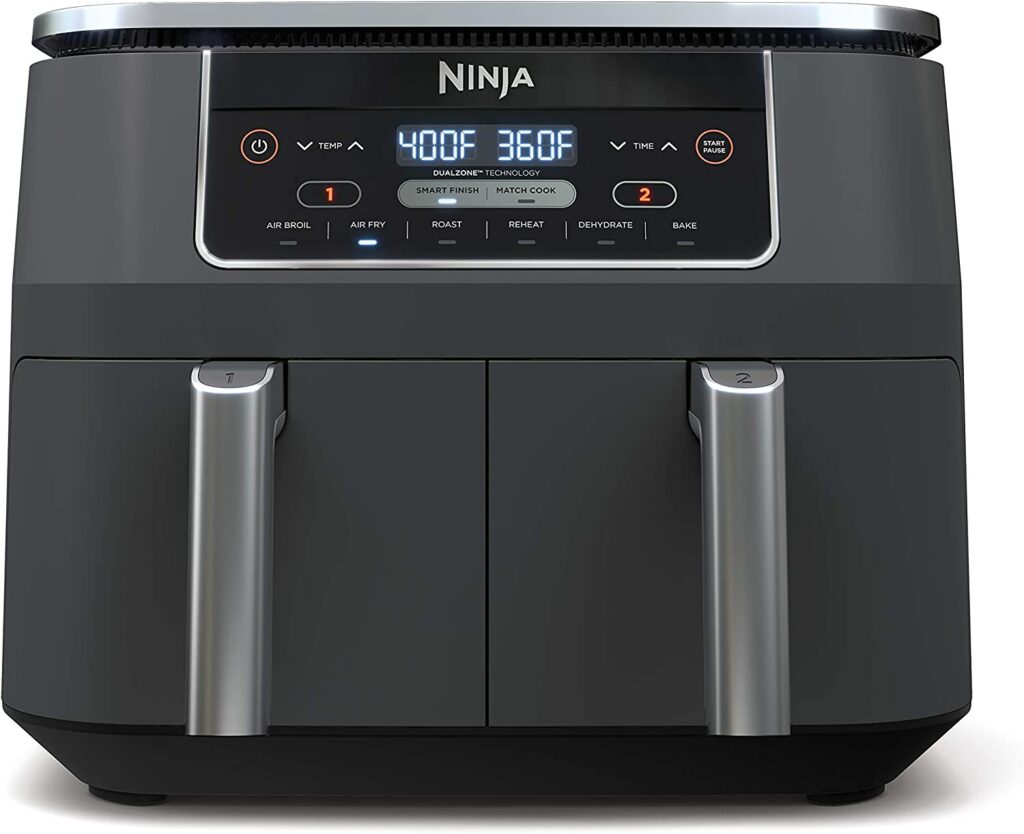
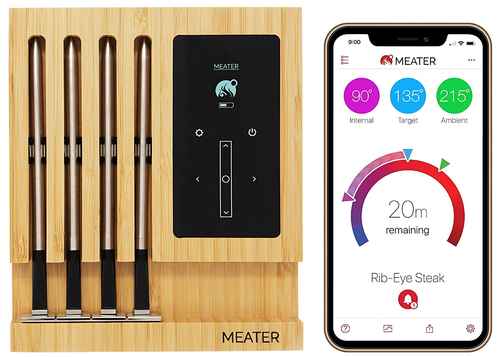
Bacon-crispy, smoky, and utterly irresistible-is a breakfast staple that can elevate any meal. Traditionally pan-fried or oven-baked, bacon has a tendency to splatter, smoke, and stick, making cleanup tedious. Enter the air fryer, a revolutionary kitchen appliance that promises crispy perfection without the mess. Air fryers use rapid hot air circulation to cook food evenly, rendering bacon rashers golden, crisp, and full of flavor, all while reducing the grease left behind. However, achieving the perfect texture requires more than just tossing rashers into the basket. Understanding optimal temperatures, cooking times, and subtle signs of doneness ensures every slice comes out just right.
Optimal Air Fryer Temperature To Cook Bacon Rashers In Air Fryer
Temperature is the cornerstone of perfectly cooked bacon in an air fryer. For most models, 180°C (356°F) strikes the ideal balance. This temperature is hot enough to render the fat slowly, allowing the meat to crisp without burning, yet moderate enough to prevent excessive smoke. Temperatures lower than 160°C (320°F) can leave bacon limp, chewy, and undercooked, while exceeding 200°C (392°F) risks rapid burning and uneven cooking.
The beauty of air frying is that the circulating hot air cooks bacon evenly from all sides, eliminating the need for flipping at every minute. Yet, because every air fryer model circulates heat differently, some slight adjustments may be necessary.
How Long To Cook Bacon Rashers In Air Fryer
Cooking time varies based on thickness and desired crispiness:
- Thin-cut rashers: 6-8 minutes
- Standard-cut rashers: 8-10 minutes
- Thick-cut rashers: 10-12 minutes
It is important to check at the halfway mark, especially if your air fryer tends to cook hotter than the set temperature. For even cooking, arrange rashers in a single layer, ensuring they don’t overlap. Overcrowding can trap moisture, leading to unevenly cooked, chewy strips.
How To Tell If It Is Done
Perfect bacon is a fine balance of crisp edges and slightly chewy center. Signs it’s done include:
- Visual cues: Golden brown edges, caramelized fat, and a deep pink center.
- Texture: Crispy edges that break easily under gentle pressure, while thicker parts retain slight chewiness.
- Sound: A subtle crackle indicates rendering fat, whereas silence may mean it’s overcooked or under-heated.
Resist the urge to rely solely on cooking time; visual and tactile cues are the true indicators of readiness.
Ingredients Needed
- 6-8 slices of bacon rashers (thin, standard, or thick-cut depending on preference)
- Optional: black pepper, paprika, or brown sugar for added flavor
- Optional: cooking spray (if your air fryer basket tends to stick)
No oil is usually necessary because bacon has enough natural fat to cook perfectly in an air fryer.
How To Cook Bacon Rashers In Air Fryer
- Preheat the air fryer to 180°C (356°F) for 3-5 minutes.
- Prepare the bacon: Lay rashers flat in a single layer, avoiding overlap. If desired, season with black pepper or sprinkle a touch of brown sugar for caramelization.
- Cook for 8-10 minutes (standard cut), flipping halfway through for even browning.
- Check for doneness: Ensure edges are crispy and the center slightly chewy. Adjust time by 1-2 minutes if necessary.
- Remove carefully: Use tongs to avoid splattering hot fat. Place on paper towels to absorb excess grease before serving.
What If I Use A Different Air Fryer Temperature?
Altering the temperature changes cooking dynamics:
- Lower than 160°C (320°F): Bacon will cook more slowly and may remain chewy; fat won’t render properly, leaving it greasy.
- Higher than 200°C (392°F): Bacon may cook unevenly, with edges burning before the center crisps. Thin-cut rashers are especially prone to burning at higher temperatures.
If adjusting temperature, reduce or extend cooking time proportionally and monitor closely to avoid over- or undercooking.
What If I Use A Different Air Fryer Cooking Time?
Cooking time adjustments directly affect texture:
- Shorter time: Bacon will be softer and less crispy; undercooked fat may remain.
- Longer time: Rashers will be overly crisp, potentially brittle, and can quickly go from golden to burnt.
Always check halfway through, especially if using a new air fryer model, and rely on visual and tactile cues rather than timing alone.
When Things Go Wrong
Even in an air fryer, bacon can misbehave:
- Too greasy: Likely cooked at too low a temperature or overlapped in the basket. Remove excess fat and ensure single-layer placement next time.
- Unevenly cooked: Often caused by overcrowding or a hot spot in the air fryer. Flip the rashers midway and consider rotating the basket.
- Burned edges, raw center: Usually a result of too high a temperature or inconsistent thickness. Lower the temperature slightly and extend cooking time for more even results.
Expert Tips
- Line the basket with foil or parchment: Makes cleanup easier and prevents sticking.
- Use tongs for flipping: Keeps bacon intact and prevents burns.
- Experiment with seasoning: Paprika, brown sugar, chili powder, or garlic powder can elevate flavor.
- Don’t overcrowd: Air circulation is key to crispiness. Cook in batches if necessary.
- Save rendered bacon fat: It’s perfect for frying eggs, sautéing vegetables, or adding flavor to dishes.
FAQs
What Temperature Should I Set My Air Fryer To For Cooking Bacon Rashers?
The optimal temperature for cooking bacon rashers in an air fryer is typically between 180°C to 200°C (350°F to 400°F). Lower temperatures may result in chewy bacon, while higher temperatures can make it overly crispy or risk burning. Adjust based on your preferred level of crispiness.
How Long Does It Take To Cook Bacon Rashers In An Air Fryer?
Cooking time depends on thickness and desired crispiness. For standard bacon rashers, it usually takes 8-12 minutes at 200°C (400°F). Thicker cuts may require 12-15 minutes. Flip the bacon halfway through for even cooking.
Do I Need To Preheat The Air Fryer Before Cooking Bacon?
Preheating is recommended but not strictly necessary. Preheating for 2-3 minutes ensures the bacon starts cooking immediately and promotes even crisping. If you skip preheating, add an extra 1-2 minutes to the cooking time.
Should I Line The Air Fryer Basket When Cooking Bacon?
Lining the basket with parchment paper or a perforated air fryer liner can make cleanup easier, but ensure it doesn’t block airflow. Alternatively, you can cook the bacon directly on the basket or tray to allow fat to drain freely.
Do I Need To Flip The Bacon During Cooking?
Yes, flipping bacon halfway through cooking ensures both sides cook evenly and prevents curling. Some air fryers have strong air circulation, reducing the need to flip, but for consistent results, flipping is advisable.
How Can I Prevent Bacon Rashers From Curling In The Air Fryer?
To reduce curling, use thin or evenly sliced bacon and lay each rasher flat in a single layer. Some cooks also lightly press the bacon with a small rack or foil ball during cooking to keep it flat.
Can I Cook Multiple Layers Of Bacon At Once In An Air Fryer?
It’s best to cook bacon in a single layer for even cooking. If your air fryer has a multi-level rack, you can cook in batches or use racks designed for air fryers, but ensure there’s enough space for hot air to circulate around each rasher.