
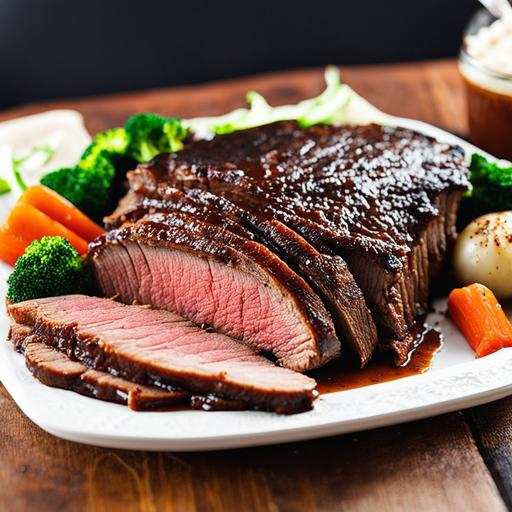
How To Cook Beef Brisket In Air Fryer [FULL GUIDE]
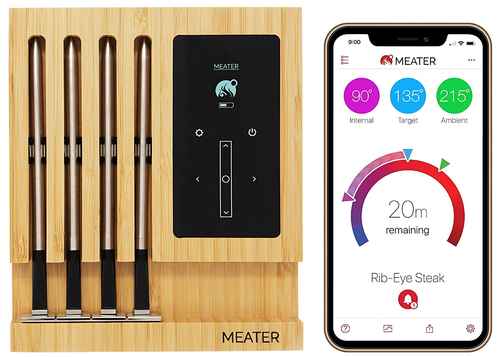
Recommended Equipments:
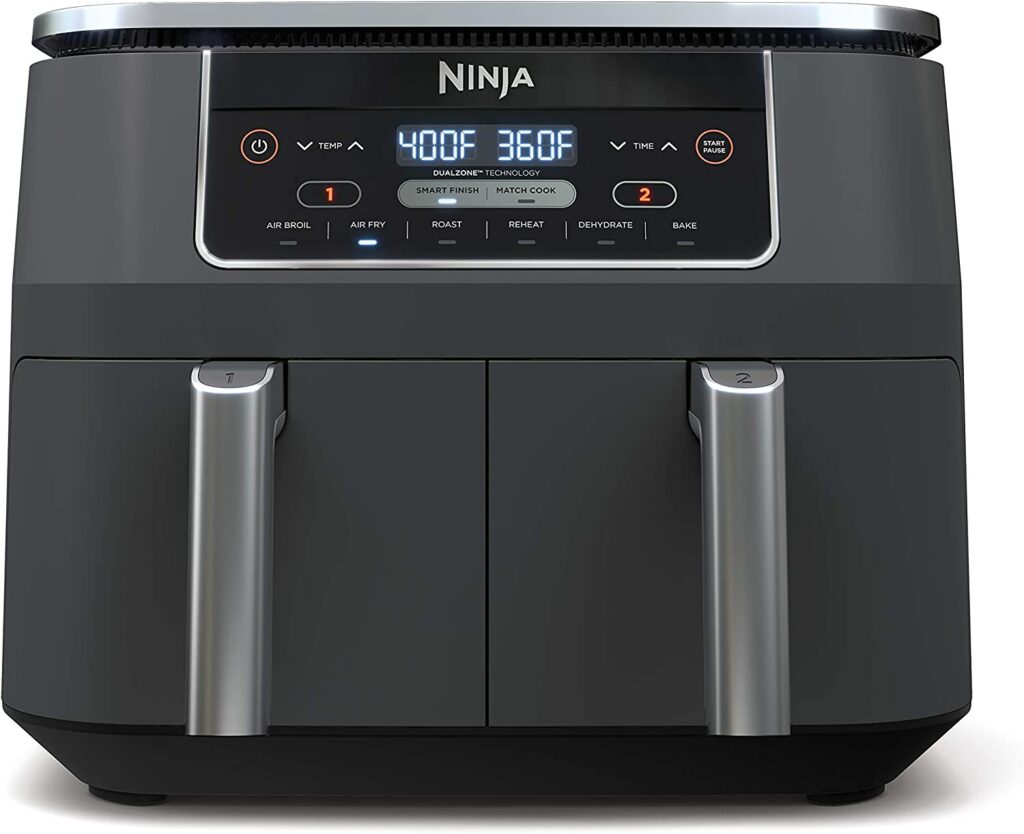
Beef brisket, a cut celebrated for its rich, succulent flavor and tender texture, has long been a staple in slow-cooked dishes and barbecues. Traditionally, this cut of meat requires hours of slow roasting or smoking to break down its dense connective tissue and render it melt-in-your-mouth tender. However, modern culinary technology has introduced a game-changing tool: the air fryer. Air fryers, with their rapid circulation of hot air, allow cooks to achieve a beautifully seared exterior while preserving juiciness within, all in a fraction of the time traditional methods demand. Cooking brisket in an air fryer may seem unconventional, but with the right temperature, timing, and technique, it transforms this hearty cut into a tender, flavorful masterpiece suitable for any dinner table.
Optimal Air Fryer Temperature To Cook Beef Brisket In Air Fryer
Temperature is the cornerstone of air fryer brisket success. Because brisket is a tough cut with significant connective tissue, the goal is to cook it low and slow, even in the air fryer, to prevent dryness while allowing collagen to melt into rich gelatin, imparting that coveted tenderness.
-
Recommended Temperature: 300°F (150°C)
This temperature is hot enough to encourage browning and flavor development but low enough to gently break down connective tissue. Cooking at a temperature above 350°F risks toughening the meat or drying it out, while temperatures below 280°F can prolong cooking excessively without added benefit.
Some cooks prefer a two-step approach: starting at a higher temperature, around 375°F, for 10-15 minutes to develop a crust, then lowering to 300°F for the remainder of the cooking time. This method emulates the searing-and-slow-roasting approach used in ovens and smokers.
How Long To Cook Beef Brisket In Air Fryer
Cooking time is closely linked to brisket thickness and weight. Unlike smaller cuts of meat, brisket demands extended cooking for the collagen to properly dissolve.
- General Guideline: 1.5 to 2 hours for a 2-3 lb brisket
- Thickness Considerations: For thicker briskets (3-4 lbs), plan for 2.5-3 hours. Always check internal temperature rather than relying solely on time.
Unlike traditional roasting, the air fryer’s rapid air circulation can slightly reduce cooking time, but patience is essential. Cooking too quickly at high temperatures can create a tough, rubbery texture, defeating the purpose of this slow-cooked cut.
How To Tell If It Is Done
Determining doneness goes beyond just time; it requires attention to internal temperature, texture, and visual cues.
- Internal Temperature: 195-205°F (90-96°C) is ideal for brisket meant to be tender and sliceable. At this temperature, the connective tissue has fully broken down.
- Visual and Tactile Signs: The brisket should appear dark brown on the exterior with a slightly crispy crust. When pressed with tongs, it should yield slightly and pull apart easily but not crumble completely.
- Optional Test: Insert a fork or probe; it should meet minimal resistance and slide through the meat smoothly.
Ingredients Needed
For a basic yet flavorful air-fried brisket, you will need:
- 2-3 lbs beef brisket
- 2-3 tablespoons olive oil (or your preferred cooking oil)
- 2 teaspoons kosher salt
- 1 teaspoon black pepper
- 1 teaspoon smoked paprika
- 1 teaspoon garlic powder
- 1 teaspoon onion powder
- Optional: chili powder, cumin, or brown sugar for a spicier or sweeter crust
- Optional: liquid smoke or Worcestershire sauce for added depth
These ingredients allow you to create a savory, caramelized crust while maintaining the natural beef flavor.
How To Cook Beef Brisket In Air Fryer
- Preparation: Pat the brisket dry with paper towels to remove excess moisture, ensuring better browning. Rub the oil evenly over the surface, then coat with the spice mixture.
- Preheat Air Fryer: Preheat the air fryer to 300°F (150°C) for even cooking.
- Cooking: Place the brisket in the air fryer basket with the fatty side up. Cook for 1.5-2 hours, flipping halfway through to ensure even browning.
- Check Temperature: Use a meat thermometer to monitor internal temperature. Once it reaches 195-205°F, it is ready.
- Resting: Remove the brisket from the air fryer and let it rest for 15-20 minutes under foil. Resting allows juices to redistribute, preventing dryness.
- Slicing: Slice against the grain for maximum tenderness.
What If I Use A Different Air Fryer Temperature?
Adjusting the temperature has significant effects on brisket texture and cooking dynamics:
- Higher Temperature (>350°F): Creates a faster, crispier exterior but risks drying or toughening the meat internally. If you choose this, reduce the total cooking time and monitor closely.
- Lower Temperature (<280°F): Preserves juiciness and promotes collagen breakdown but extends cooking time substantially, which may require multiple air fryer cycles.
A balanced approach of moderate heat ensures optimal texture and flavor.
What If I Use A Different Air Fryer Cooking Time?
Cooking time directly affects tenderness:
- Shorter Time: Meat may be undercooked, chewy, and difficult to slice.
- Longer Time: Beyond a certain point, brisket can dry out or lose structural integrity. If you accidentally overcook slightly, slicing thinly and serving with sauce can mitigate dryness.
Always prioritize internal temperature and tactile checks over strict timing.
When Things Go Wrong
Even with careful preparation, issues can arise:
- Dry Brisket: Usually caused by high temperature or insufficient fat content. Remedy: slice thinly and serve with a sauce or au jus.
- Undercooked Brisket: Return to air fryer at 300°F and cook in 15-20 minute increments, checking frequently.
- Uneven Browning: Ensure the brisket is centered in the basket, flipped halfway, and not overcrowded.
Air fryers vary, so minor adjustments may be necessary to accommodate different models.
Expert Tips
- Marinate Overnight: For deeper flavor, marinate brisket 12-24 hours before cooking.
- Use a Probe Thermometer: This allows continuous monitoring without opening the air fryer.
- Rest Before Slicing: Essential for juiciness and even texture.
- Spritz or Brush During Cooking: A light coating of beef broth or marinade can enhance moisture.
- Slice Against the Grain: Ensures each bite is tender and easy to chew.
FAQs
What Type Of Beef Brisket Is Best For Air Frying?
For air frying, a flat cut brisket is ideal because it is leaner and cooks more evenly in the compact space of an air fryer. Point cut brisket has more fat, which can be flavorful but may cause excess smoke or splatter in the air fryer. Choose a brisket that is well-marbled but not excessively thick to ensure uniform cooking.
Do I Need To Marinate The Brisket Before Air Frying?
Marinating is optional but highly recommended to enhance flavor and tenderness. You can use a dry rub of spices or a liquid marinade with ingredients like soy sauce, garlic, and vinegar. Marinate for at least 4 hours or overnight for best results. The air fryer will then create a flavorful crust while keeping the meat juicy inside.
What Is The Recommended Cooking Temperature And Time For Brisket In An Air Fryer?
Preheat the air fryer to 350°F (175°C). Cook the brisket for approximately 25-30 minutes per pound, flipping halfway through. Use a meat thermometer to check doneness: the internal temperature should reach 195-205°F (90-96°C) for tender, pull-apart brisket.
Should I Cover The Brisket While Cooking In An Air Fryer?
Covering is generally not required because the air fryer circulates hot air efficiently, which crisps the exterior. However, if the brisket is particularly fatty or if you notice excessive smoke, loosely covering it with foil for part of the cooking process can help manage grease and prevent burning.
How Can I Ensure The Brisket Stays Juicy In An Air Fryer?
To keep the brisket moist, consider these tips: choose a well-marbled cut, marinate or apply a dry rub, avoid overcooking, and let the brisket rest for 10-15 minutes after cooking. Resting allows the juices to redistribute, resulting in tender and flavorful meat.
Can I Cook A Frozen Brisket In An Air Fryer?
Cooking a frozen brisket is possible but not recommended for optimal texture. If you must, defrost it partially first, then cook at a lower temperature (around 325°F or 160°C) until fully thawed and cooked through. Cooking from frozen may lead to uneven cooking and a less tender outcome.
What Are Some Tips For Achieving A Smoky Or Barbecue Flavor In Air-fried Brisket?
To mimic a smoky or barbecue flavor, use a dry rub with smoked paprika, chili powder, and brown sugar. You can also lightly brush the brisket with barbecue sauce in the last 5-10 minutes of cooking. Some air fryers allow adding wood chips in a small tray to impart smoke flavor, but ensure your model supports this to avoid damage.