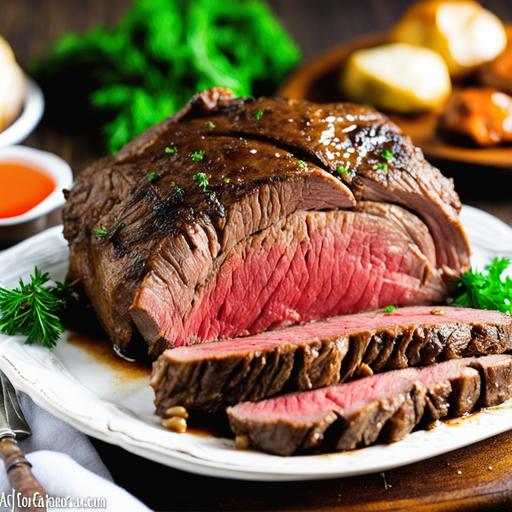
How To Cook Beef Roast In Air Fryer [FULL GUIDE]
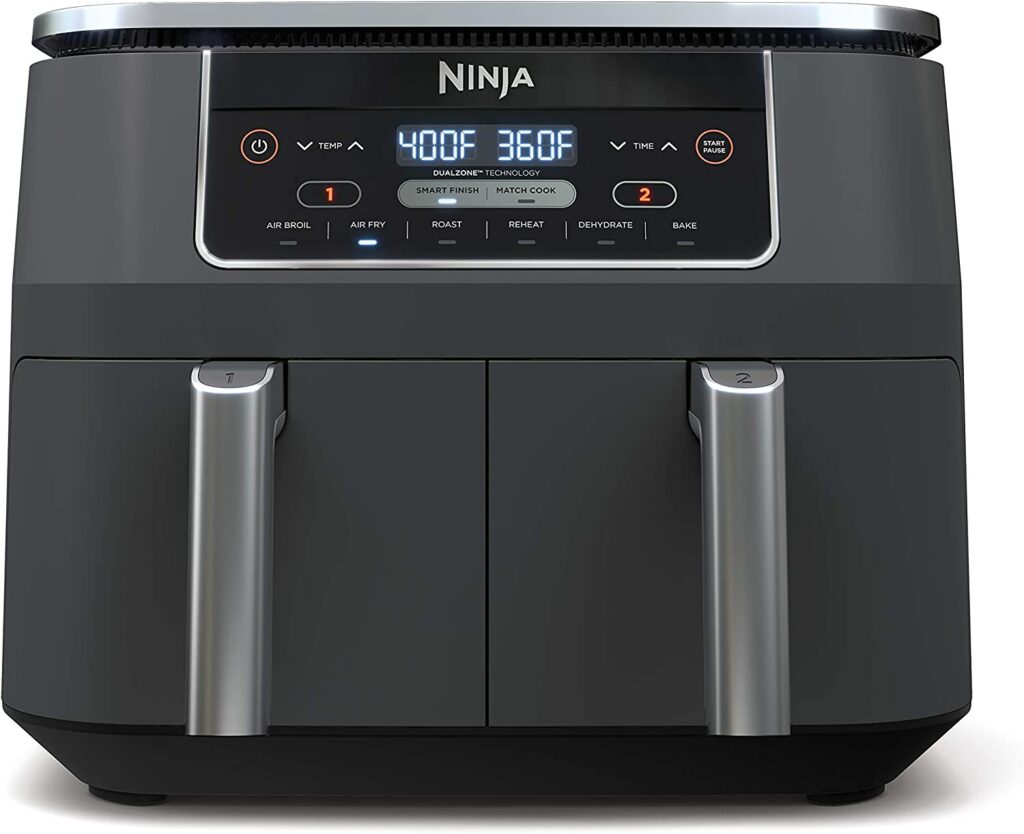
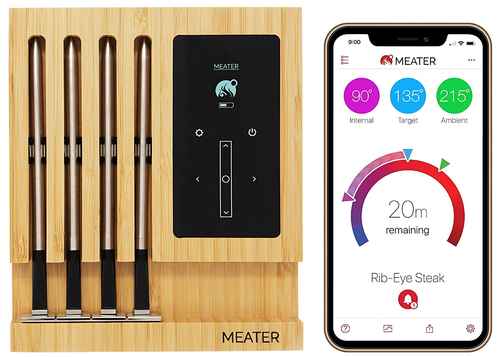
Recommended Equipments:
The art of cooking a beef roast has long been associated with ovens, slow cookers, and traditional roasting techniques. However, the rise of air fryers has transformed the culinary landscape, offering home cooks a faster, more energy-efficient, and surprisingly effective method for preparing tender, flavorful beef roasts. Air fryers circulate hot air at high speeds, creating a Maillard reaction that seals in juices while forming a deliciously crispy crust. For meat lovers and busy home chefs, mastering the beef roast in an air fryer is a gateway to impressive meals with minimal fuss, yet it requires attention to temperature, timing, and seasoning to achieve perfection.
Optimal Air Fryer Temperature To Cook Beef Roast In Air Fryer
Temperature control is critical when cooking beef in an air fryer. A roast requires sufficient heat to create a flavorful crust while allowing the interior to cook evenly without drying out. Most culinary experts recommend setting the air fryer to 360°F (182°C) for medium-rare to medium doneness. This temperature strikes a balance: it is high enough to brown the exterior and caramelize the surface while giving the interior enough time to cook gently.
For a slightly more well-done roast, 375°F (190°C) can be used, but caution is advised, as the risk of drying out increases. Conversely, lower temperatures (around 325°F/163°C) can be utilized for a more tender, slow-roasted texture, but this will extend the cooking time and may slightly reduce the crispness of the exterior.
How Long To Cook Beef Roast In Air Fryer
Cooking time varies depending on the size, cut, and desired doneness of the roast. Here is a general guideline for a 2-3 pound beef roast:
- Medium-rare: 20-25 minutes per pound
- Medium: 25-30 minutes per pound
- Well-done: 30-35 minutes per pound
It’s crucial to remember that air fryers can cook faster than traditional ovens due to the rapid air circulation. Therefore, checking internal temperature is more reliable than relying on time alone. A meat thermometer is essential: 130-135°F (54-57°C) for medium-rare, 140-145°F (60-63°C) for medium, and 150-160°F (65-71°C) for well-done.
How To Tell If It Is Done
Visual cues are helpful, but nothing beats the precision of a thermometer. Signs that your roast is done include:
- Juices: When pierced, the juices should run clear for medium to well-done roasts and slightly pink for medium-rare.
- Color: The interior should match the desired doneness color (pink for medium-rare, light brown for medium, darker brown for well-done).
- Texture: Gently pressing the roast with tongs can indicate doneness; it should have slight resistance for medium-rare and firmer resistance as doneness increases.
Ingredients Needed
A simple ingredient list ensures the natural flavor of beef shines:
- 2-3 lb beef roast (chuck, ribeye, or sirloin)
- 2 tbsp olive oil or melted butter
- 1 tsp salt
- 1 tsp black pepper
- 1 tsp garlic powder
- 1 tsp onion powder
- 1 tsp paprika (optional, for color and flavor)
- Fresh herbs (rosemary, thyme) for added aroma
Optional: Vegetables like carrots, potatoes, and onions can be cooked alongside, adding flavor and making it a complete meal.
How To Cook Beef Roast In Air Fryer
- Preheat the air fryer to 360°F (182°C) for 5 minutes.
- Season the roast with olive oil, salt, pepper, garlic powder, onion powder, paprika, and herbs. Ensure the roast is evenly coated.
- Place the roast in the air fryer basket, fat side up. If cooking vegetables alongside, place them around the roast, avoiding overcrowding.
- Cook at 360°F, checking the internal temperature halfway through. Flip the roast if your air fryer requires it for even browning.
- Check doneness with a meat thermometer, and remove the roast when it reaches the desired internal temperature.
- Rest the roast for 10-15 minutes before slicing to allow juices to redistribute, ensuring tenderness.
What If I Use A Different Air Fryer Temperature?
Adjusting the temperature can alter both texture and cooking time:
- Lower temperatures (325°F/163°C): Result in a juicier, more evenly cooked roast but require longer cooking (up to 40 minutes for a 2-3 lb roast).
- Higher temperatures (375-400°F/190-204°C): Produce a crispier exterior more quickly but risk overcooking the interior if not monitored closely.
Temperature adjustments must be paired with careful timing to avoid undercooked or dry meat.
What If I Use A Different Air Fryer Cooking Time?
Cooking time directly affects doneness:
- Shorter times: Meat will be undercooked or rare inside. Use a thermometer to confirm internal temperature.
- Longer times: Overcooking is likely, leading to dryness and a tougher texture. Resting the roast helps, but overdone meat cannot regain lost juiciness.
Time adjustments should always consider the roast’s weight, cut, and air fryer model, as airflow and wattage differ.
When Things Go Wrong
Even with an air fryer, mistakes can happen:
- Undercooked roast: Return to the air fryer at a lower temperature to finish cooking gently.
- Dry roast: Thinly slice and serve with pan juices, gravy, or a sauce to restore moisture.
- Uneven browning: Flip halfway or rotate the basket for more consistent results.
- Burned exterior: Reduce temperature slightly and extend cooking time to allow interior to catch up.
Expert Tips
- Always preheat your air fryer for even cooking.
- Use a meat thermometer; it’s the most reliable way to achieve your desired doneness.
- Let it rest: This is non-negotiable for juiciness.
- Avoid overcrowding: Air needs space to circulate for even cooking.
- Enhance flavor with aromatics: Herbs, garlic, and a little butter or oil can elevate the roast significantly.
- Experiment with cuts: Chuck roast for tenderness, sirloin for a leaner option, ribeye for flavor.
FAQs
What Size Beef Roast Is Suitable For An Air Fryer?
Air fryers generally work best with smaller to medium-sized roasts, typically 2 to 4 pounds, depending on your air fryer’s basket capacity. Larger roasts may not cook evenly or fit comfortably inside the basket.
How Should I Prepare A Beef Roast Before Air Frying?
Trim excess fat, pat the roast dry with paper towels, and season it with your preferred spices or a marinade. Letting the roast sit at room temperature for 20-30 minutes before cooking ensures more even cooking.
What Temperature And Time Should I Cook A Beef Roast In An Air Fryer?
A common guideline is to cook at 360°F (182°C). Cooking time depends on the size and desired doneness. For example, a 3-pound roast may take approximately 50-60 minutes for medium-rare, flipping halfway through. Using a meat thermometer is recommended for accuracy.
Do I Need To Flip The Roast During Air Frying?
Yes. Flipping the roast halfway through cooking promotes even browning and prevents one side from overcooking. Some air fryers with baskets that allow air circulation on all sides may reduce the need to flip, but it’s generally safer to do so.
How Can I Check If The Beef Roast Is Cooked Properly?
Use a meat thermometer inserted into the thickest part of the roast. Recommended internal temperatures are 125°F (52°C) for rare, 135°F (57°C) for medium-rare, 145°F (63°C) for medium, and 160°F (71°C) for well done. Let the roast rest 10-15 minutes after cooking to allow juices to redistribute.
Can I Use Foil Or A Tray In The Air Fryer For Beef Roast?
Yes, placing the roast on a perforated tray or lining the basket with foil (leaving space for air circulation) can help catch drippings and reduce cleanup. Avoid covering the roast completely, as this may prevent proper browning.
What Are Some Tips To Make The Beef Roast Tender And Flavorful In An Air Fryer?
Marinating the roast beforehand, using a dry rub, and allowing it to rest before slicing are key steps. Additionally, cooking at a slightly lower temperature for a longer time can improve tenderness. Resting the meat after cooking is crucial to maintain juiciness.