
How To Cook Boneless Pork Loin Roast In Air Fryer [FULL GUIDE]
Recommended Equipments:
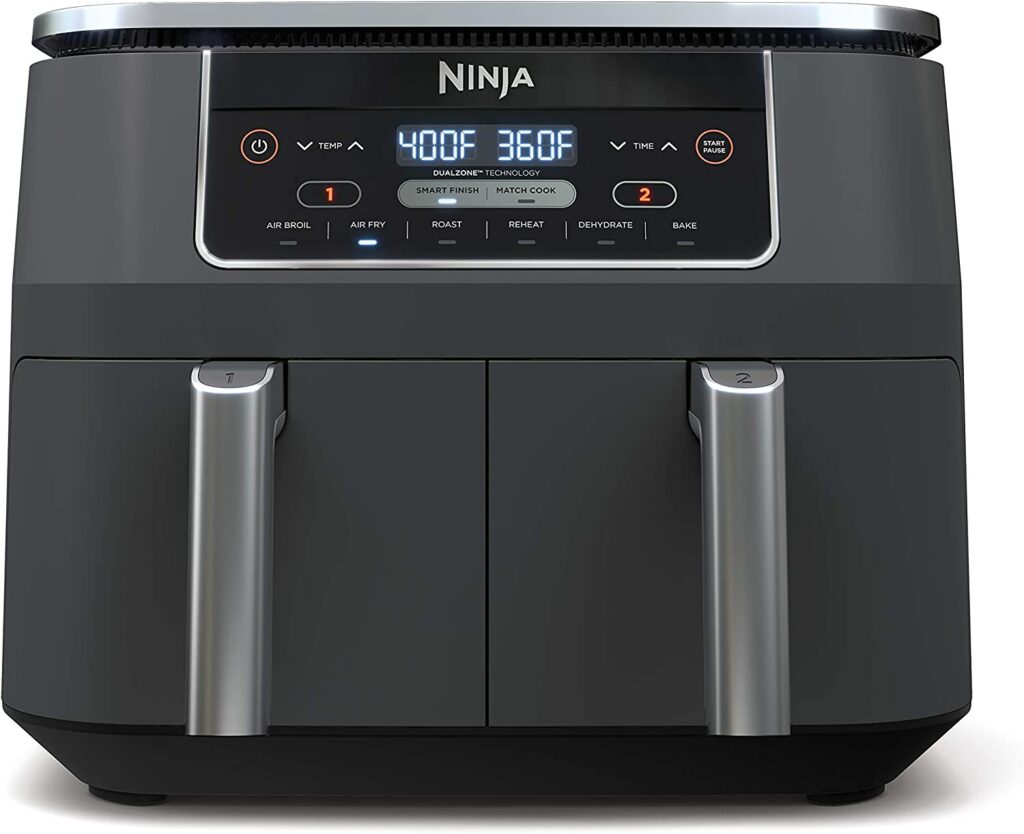
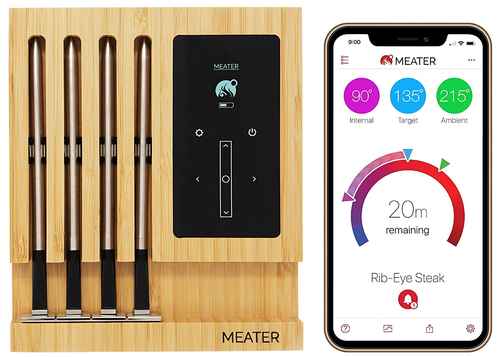
Cooking a boneless pork loin roast in an air fryer is an excellent way to achieve a succulent, flavorful centerpiece with minimal effort. Unlike traditional roasting, the air fryer delivers a crisp, caramelized exterior while keeping the interior tender and juicy. This method is perfect for busy weeknights or for when you want a perfectly cooked roast without heating up the entire oven. The air fryer’s circulating hot air ensures even cooking, reduces cooking time, and enhances the natural flavors of the pork loin. Whether you’re a seasoned home chef or a beginner, mastering the art of air frying pork loin transforms a simple cut of meat into a gourmet dish.
Optimal Air Fryer Temperature To Cook Boneless Pork Loin Roast In Air Fryer
Temperature is one of the most critical factors in cooking a pork loin roast. For a boneless pork loin, the optimal air fryer temperature is around 360°F (182°C). This temperature strikes a balance between cooking the meat evenly and developing a golden-brown crust. Too low a temperature can result in a pale, undercooked exterior and a dry interior, while too high a temperature can over-brown the exterior before the center reaches a safe temperature.
Using a medium-high heat setting ensures that the Maillard reaction occurs on the surface of the roast, giving it that desirable browned and slightly caramelized flavor. Additionally, this temperature allows the pork to cook thoroughly without losing moisture, maintaining a tender and juicy texture that is essential for a perfect roast.
How Long To Cook Boneless Pork Loin Roast In Air Fryer
Cooking time varies based on the size and thickness of the roast. As a general guideline, a 2 to 3-pound boneless pork loin typically requires about 25-30 minutes per pound at 360°F. This means a 2-pound roast will take approximately 50-60 minutes, while a 3-pound roast may need 75-90 minutes.
It’s important to note that air fryer models can differ in cooking efficiency, so always check the roast periodically. Rotating or flipping the roast halfway through the cooking process can help ensure even browning on all sides. Using a meat thermometer is highly recommended to achieve precise doneness.
How To Tell If It Is Done
The most reliable method to determine if a pork loin roast is cooked is by checking the internal temperature. Insert an instant-read meat thermometer into the thickest part of the roast. Pork is considered safe to eat when it reaches an internal temperature of 145°F (63°C), followed by a 3-minute rest period.
Signs that the roast is done include:
- Juices running clear when pierced with a knife.
- Slightly firm texture when gently pressed.
- A golden-brown exterior with a slight crispness.
Avoid relying solely on cooking time, as air fryers can cook faster than conventional ovens. Temperature is the most accurate way to ensure a juicy, safe roast.
Ingredients Needed
To prepare a delicious boneless pork loin roast in the air fryer, gather the following ingredients:
- 2-3 pounds boneless pork loin roast
- 2 tablespoons olive oil or melted butter
- 1 teaspoon salt (adjust to taste)
- 1/2 teaspoon black pepper
- 1 teaspoon garlic powder
- 1 teaspoon onion powder
- 1 teaspoon smoked paprika (optional for a smoky flavor)
- 1 teaspoon dried rosemary or thyme
- Optional: fresh herbs for garnish
These seasonings complement the natural flavor of pork without overpowering it. The olive oil or butter helps create a golden crust and adds moisture during cooking.
How To Cook Boneless Pork Loin Roast In Air Fryer
- Preheat the air fryer: Set the air fryer to 360°F (182°C) for 3-5 minutes to ensure an even cooking environment.
- Prepare the roast: Pat the pork loin dry with paper towels. Rub with olive oil or melted butter, then evenly coat with salt, pepper, garlic powder, onion powder, paprika, and herbs.
- Place in the air fryer: Position the roast in the air fryer basket, fat side up, ensuring it’s not touching the sides for optimal air circulation.
- Cook: Air fry at 360°F (182°C) for approximately 25-30 minutes per pound. Flip the roast halfway through if your air fryer tends to cook unevenly.
- Check doneness: Use an instant-read thermometer to ensure the internal temperature reaches 145°F (63°C).
- Rest the meat: Let the roast rest for at least 3-5 minutes before slicing. This allows the juices to redistribute, producing a tender and moist roast.
- Serve: Slice against the grain and serve with your choice of sides.
What If I Use A Different Air Fryer Temperature?
Adjusting the temperature will affect both texture and cooking time:
- Higher temperatures (375-400°F / 190-204°C): The roast will cook faster, but the risk of over-browning or drying out the interior increases. Use a thermometer to prevent overcooking.
- Lower temperatures (325-350°F / 163-177°C): The roast will cook more slowly, resulting in more even heat penetration and slightly juicier meat, but it may not develop as crispy a crust.
In all cases, monitoring internal temperature is crucial for perfect results.
What If I Use A Different Air Fryer Cooking Time?
- Shorter cooking time: The pork may be undercooked, especially in the center. Always check the internal temperature before serving.
- Longer cooking time: While the pork will eventually reach a safe temperature, extended cooking can dry out the meat, even if the exterior looks fine.
Adjustments in time should always be paired with careful temperature checks rather than guesswork.
When Things Go Wrong
Common issues include:
- Dry or tough pork: Usually caused by overcooking. Reduce time or lower temperature in future attempts and ensure proper resting time.
- Uneven browning: Flip or rotate the roast midway through cooking. Avoid overcrowding the basket.
- Undercooked center: May occur if the roast is too thick or air fryer is too hot. Lower temperature and extend cooking time while monitoring internal temperature.
Even when issues arise, resting the meat and slicing correctly can often salvage tenderness.
Expert Tips
- Bring pork to room temperature before cooking for more even results.
- Use a meat thermometer rather than relying solely on time.
- Let the roast rest for at least 3-5 minutes; this is as important as cooking it properly.
- Season generously; pork can handle bold flavors and herbs.
- Experiment with a glaze or marinade in the last 5-10 minutes for added flavor.
- Don’t overcrowd the basket; air circulation is key to crisping and even cooking.
FAQs
What Temperature Should I Cook A Boneless Pork Loin Roast In An Air Fryer?
For a boneless pork loin roast, preheat your air fryer to 360°F (182°C). This temperature allows the roast to cook evenly while achieving a slightly crispy exterior without drying out the meat.
How Long Does It Take To Cook A Boneless Pork Loin Roast In An Air Fryer?
Cooking time depends on the size and thickness of the roast. Typically, a 2-3 pound boneless pork loin roast takes about 25-35 minutes in an air fryer. It’s important to check the internal temperature to ensure doneness.
How Do I Know When The Pork Loin Roast Is Fully Cooked?
The most reliable method is using a meat thermometer. The internal temperature should reach 145°F (63°C) for medium-rare, followed by a 3-minute rest. Cooking beyond this can make the meat dry.
Should I Season Or Marinate The Pork Loin Before Air Frying?
Yes, seasoning or marinating enhances flavor. A simple rub of salt, pepper, garlic powder, and herbs works well. Marinating for 2-4 hours or overnight can make the meat more tender and flavorful.
Do I Need To Flip The Pork Loin Roast While Air Frying?
Yes, flipping the roast halfway through cooking ensures even browning and consistent cooking throughout. This helps the exterior become golden while keeping the interior juicy.
Can I Cook A Frozen Pork Loin Roast In The Air Fryer?
It is possible, but it requires additional cooking time. Thawing the roast first is recommended for even cooking. If cooking from frozen, increase the air frying time by 10-15 minutes and check the internal temperature carefully.
How Can I Make The Pork Loin Roast Juicy In An Air Fryer?
To retain moisture, avoid overcooking and consider applying a light coating of oil or butter on the roast. Letting the meat rest for 5-10 minutes after cooking allows juices to redistribute, resulting in a tender, juicy roast.