
How To Cook Breakfast Potatoes In Air Fryer [FULL GUIDE]
Recommended Equipments:
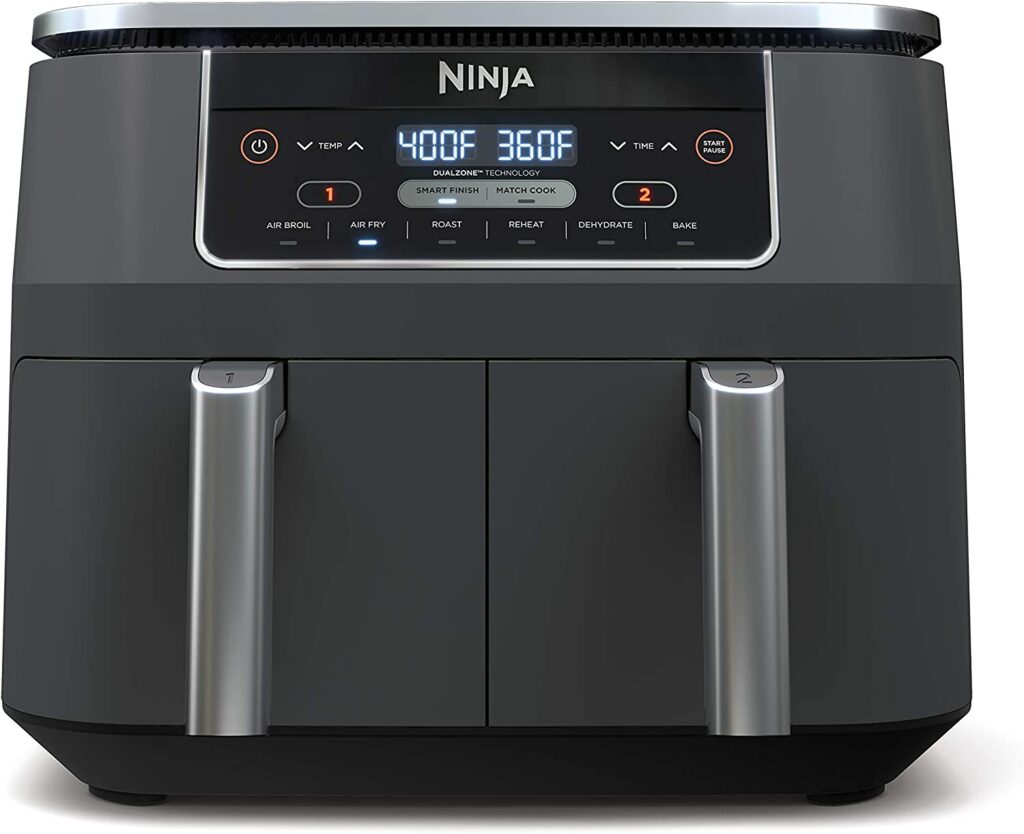
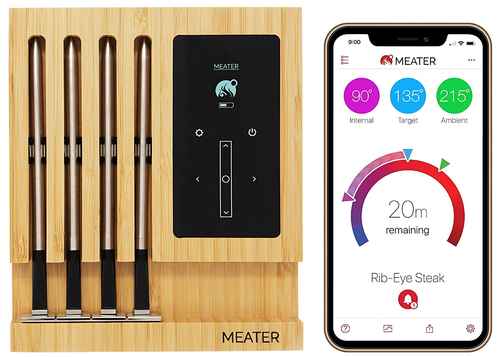
Breakfast potatoes are the quintessential morning side dish, beloved for their crispy exterior, tender interior, and savory flavor. Achieving that perfect balance of crunch and softness can be a challenge using conventional cooking methods. Enter the air fryer: a kitchen marvel that promises golden, evenly cooked potatoes with minimal oil and fuss. Unlike traditional frying, which can saturate potatoes with oil, the air fryer circulates hot air rapidly around the food, creating a satisfying crispiness without excess fat. For home cooks, this means faster cooking, less mess, and consistent results. In this guide, we’ll explore how to master breakfast potatoes in the air fryer, including the ideal temperature, cooking times, and expert tips to elevate your breakfast game.
Optimal Air Fryer Temperature To Cook Breakfast Potatoes In Air Fryer
Temperature is the cornerstone of achieving perfectly cooked breakfast potatoes. For most air fryers, the sweet spot lies between 375°F and 400°F (190°C-205°C). This range allows the potatoes to cook through evenly while forming a golden, crispy crust.
- Lower temperatures (around 350°F) may yield softer potatoes that are cooked through but lack crispiness.
- Higher temperatures (around 425°F) can create a beautiful brown exterior quickly but run the risk of burning the edges before the interior is fully cooked.
Consistency is key: maintaining a steady temperature ensures that each cube or slice of potato receives uniform heat, resulting in that coveted tender-inside, crispy-outside texture.
How Long To Cook Breakfast Potatoes In Air Fryer
Cooking time depends largely on the size of your potato pieces and the model of your air fryer. For evenly cubed or diced breakfast potatoes (roughly ½-¾ inch pieces):
- At 375°F (190°C): 20-25 minutes
- At 400°F (205°C): 15-20 minutes
It’s essential to shake or toss the potatoes halfway through the cooking process to prevent sticking and ensure even browning. Larger chunks may require a few extra minutes, while thinner slices or wedges might cook faster. Remember, air fryers vary in airflow and heat distribution, so times should be treated as guidelines rather than strict rules.
How To Tell If It Is Done
Determining doneness goes beyond appearance. While a golden-brown exterior is a good visual cue, the true test lies in texture. Use these methods to check:
- Pierce Test: Insert a fork or skewer into a potato piece. It should slide in easily without resistance, indicating a soft interior.
- Color Check: Even browning across the surface is ideal. Patches that appear pale may require additional cooking.
- Taste Test: For the most reliable assessment, sample a piece. It should be tender inside yet crisp on the outside.
Ingredients Needed
To make flavorful breakfast potatoes, gather the following ingredients:
- Potatoes: 2-3 medium-sized russet or Yukon gold potatoes (about 1 pound), washed and diced
- Oil: 1-2 tablespoons of olive oil or avocado oil
- Seasonings: Salt, black pepper, paprika, garlic powder, onion powder, and optionally dried herbs like rosemary or thyme
- Optional Add-Ins: Chopped bell peppers, onions, or smoked paprika for an extra layer of flavor
The beauty of air fryer breakfast potatoes is their versatility-you can adjust seasonings to suit your taste.
How To Cook Breakfast Potatoes In Air Fryer
- Prep the potatoes: Wash, peel if desired, and cut into uniform ½-¾ inch cubes or wedges.
- Season: In a large bowl, toss the potatoes with oil, salt, pepper, and your choice of seasonings until evenly coated.
- Preheat the air fryer: While optional, preheating at 375-400°F for 3-5 minutes helps achieve an even cook.
- Cook: Place the potatoes in the air fryer basket in a single layer to allow proper airflow. Cook at your chosen temperature, shaking the basket halfway through.
- Check for doneness: Use a fork to pierce a potato or taste a piece to confirm tenderness.
- Serve: Garnish with fresh herbs if desired and serve immediately for maximum crispiness.
What If I Use A Different Air Fryer Temperature?
Adjusting the temperature will affect both cooking time and texture:
- Lower temperature (350°F): Results in softer, less crispy potatoes. Extend the cooking time slightly to ensure the interior is fully cooked.
- Higher temperature (425°F): Produces crispier edges quickly but risks burning. Shorten the cooking time and monitor closely.
Temperature tweaks are useful for adapting to personal preferences or specific air fryer models.
What If I Use A Different Air Fryer Cooking Time?
Cooking time is flexible but must be balanced with temperature:
- Shorter cooking time: If you cook too briefly, potatoes will be undercooked in the center, with a raw, starchy texture.
- Longer cooking time: Overcooking can dry out the interior or burn the exterior. Regularly shaking the basket and checking doneness helps prevent this.
Fine-tuning both time and temperature allows you to achieve a perfect balance for your preferred texture.
When Things Go Wrong
Even with air fryers, things can go awry:
- Potatoes are soggy: Likely due to overcrowding or insufficient preheating. Cook in smaller batches and ensure pieces are evenly spaced.
- Potatoes burn on the edges: Temperature too high or unevenly sized pieces. Reduce heat or cut potatoes more uniformly.
- Uneven browning: Toss the potatoes halfway through cooking to redistribute heat and prevent hotspots.
Awareness and adjustment are key to troubleshooting.
Expert Tips
- Cut uniformly: Consistent sizes ensure even cooking.
- Use starchy potatoes: Russets or Yukon golds yield the best crispy results.
- Don’t overcrowd: Air circulation is essential; cook in batches if needed.
- Toss midway: Ensures golden color and crisp texture.
- Experiment with flavors: Smoked paprika, chili powder, or fresh herbs elevate the dish.
These small adjustments make a significant difference in both taste and texture.
FAQs
What Type Of Potatoes Are Best For Air Fryer Breakfast Potatoes?
For air fryer breakfast potatoes, starchy potatoes like Russets provide a crisp exterior and fluffy interior, while Yukon Golds offer a buttery texture and hold their shape well. Avoid waxy potatoes such as red potatoes if you want a crispy finish, as they can become slightly mushy.
Do I Need To Parboil Or Soak The Potatoes Before Air Frying?
Soaking diced potatoes in cold water for 20-30 minutes can help remove excess starch, resulting in crispier potatoes. Parboiling is optional but effective for a soft interior; boil for 5-7 minutes until slightly tender before air frying.
What Temperature Should I Cook Breakfast Potatoes In The Air Fryer?
Set your air fryer to 400°F (200°C) for optimal results. This temperature allows the potatoes to crisp on the outside while cooking through on the inside. Cooking times may vary depending on the size of the potato pieces.
How Long Do Breakfast Potatoes Take To Cook In An Air Fryer?
Diced potatoes typically take 15-20 minutes at 400°F (200°C). Shake or stir the potatoes every 5 minutes to ensure even cooking. Larger chunks may require up to 25 minutes, while smaller pieces may cook faster.
Should I Use Oil When Cooking Potatoes In The Air Fryer?
Yes, lightly tossing the potatoes in 1-2 teaspoons of oil helps achieve a golden, crispy exterior. You can use olive oil, avocado oil, or another high-smoke-point oil. Too much oil can cause excess smoke or uneven cooking.
Can I Season Breakfast Potatoes Before Air Frying?
Absolutely. Common seasonings include salt, pepper, paprika, garlic powder, onion powder, and dried herbs like rosemary or thyme. Seasoning before cooking helps the flavors adhere and enhances the overall taste.
How Do I Prevent Breakfast Potatoes From Sticking To The Air Fryer Basket?
Lightly coat the air fryer basket with cooking spray or use a perforated parchment liner. Also, avoid overcrowding the basket, as proper air circulation is crucial for crispiness. Shaking or stirring halfway through cooking reduces sticking.