
How To Cook Crispy Bacon In Air Fryer [FULL GUIDE]
Recommended Equipments:
Cooking bacon in an air fryer has quickly become one of the most efficient ways to achieve consistently crisp, evenly cooked strips without the grease splatter that comes from stovetop frying. The circulating hot air technology creates a controlled environment that crisps the bacon on all sides while rendering out excess fat. This method is fast, clean, and ideal for busy mornings or high-volume meal prepping. Whether you enjoy your bacon lightly crisped or deeply crunchy, understanding the optimal temperature, timing, and visual cues will help you master flawless air-fried bacon every time.
Optimal Air Fryer Temperature To Cook Crispy Bacon In Air Fryer
The ideal temperature for cooking crispy bacon in an air fryer is 375°F (190°C). At this setting, the air fryer is hot enough to render the fat quickly while promoting golden, crisp edges and preventing the strips from drying out or burning prematurely. Temperatures lower than 360°F may cause the bacon to soften or steam rather than crisp, while temperatures above 390°F often result in uneven browning, smoke production from the splattering fat, and a greater risk of burnt spots.
Choosing 375°F offers the perfect balance of heat and control, giving you a predictable outcome across a variety of bacon thicknesses.
How Long To Cook Crispy Bacon In Air Fryer
At 375°F, bacon typically cooks in 8 to 12 minutes, depending on the thickness and desired level of crispness:
- Thin-cut bacon: 7 to 9 minutes
- Regular-cut bacon: 8 to 10 minutes
- Thick-cut bacon: 10 to 12 minutes
Air fryers vary slightly in heat distribution and basket design, so initial test batches are helpful to determine your precise timing. Always check around the halfway point to ensure even cooking and reposition or flip the strips if needed.
How To Tell If It Is Done
Here are the visual and textural cues that indicate bacon is fully cooked and crispy:
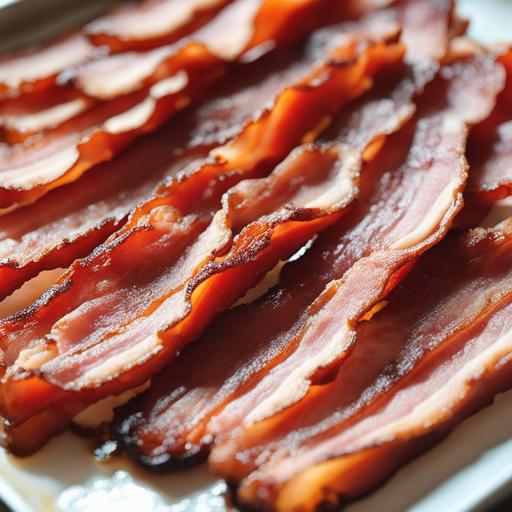
- Color: The bacon should turn from pink and opaque to a deep golden brown.
- Texture: It should feel firm when lifted with tongs. A slight bend is normal, and it will crisp further as it cools.
- Surface appearance: The rendered fat should appear bubbly, and the meat should no longer look soft or rubbery.
- Sound: The bacon will lightly crackle as it finishes cooking, signaling that the moisture has mostly evaporated.
Remember that bacon continues to crisp during the first minute or two after removal, so avoid overcooking inside the air fryer.
Ingredients Needed
The beauty of air-fried bacon is its simplicity. The ingredient list is minimal:
- Bacon strips (thin-cut, regular-cut, or thick-cut)
-
Optional:
- Freshly ground black pepper
- Maple syrup or brown sugar for a caramelized finish
- Crushed red pepper for heat
Seasonings should be applied lightly to avoid burning during cooking.
How To Cook Crispy Bacon In Air Fryer
-
Preheat The Air Fryer
Set the air fryer to 375°F (190°C). Preheating ensures immediate fat rendering and prevents steaming.
-
Prepare The Bacon
Lay the strips in a single layer in the air fryer basket. Slight overlapping is acceptable because bacon shrinks as it cooks, but avoid stacking.
-
Cook The Bacon
Air fry for 8 to 12 minutes, depending on thickness. Check at the halfway point and adjust placement if needed for even crisping.
-
Drain And Cool
Remove the bacon and place it on a paper towel-lined plate. This halts the cooking process and allows excess fat to drain.
-
Dispose Of Grease Carefully
Once the air fryer basket cools slightly, pour out the collected bacon grease into a heat-safe container for storage or disposal.
What If I Use A Different Air Fryer Temperature?
Changing the temperature will alter the cooking process:
-
Lower Than 360°F
The bacon may cook unevenly, become rubbery, or fail to crisp properly. Fat renders more slowly, and the texture can become leathery.
-
Higher Than 390°F
The grease may splatter more aggressively, causing smoking and uneven charring. Bacon can burn on the edges while remaining undercooked in the center.
-
Recommended Adjustment Strategy
If you prefer experimenting, reduce or increase the time in small increments while watching closely. However, 375°F remains the most reliable middle ground.
What If I Use A Different Air Fryer Cooking Time?
Adjusting the time allows you to fine-tune the results:
-
Shorter Cooking Time
Bacon will be softer, chewier, and lighter in color. This may be preferred for recipes that will cook the bacon further, such as casseroles or sautéed dishes.
-
Longer Cooking Time
Bacon becomes deeply crisp, rigid, and intensely browned. Overly long cook times can create burnt or brittle pieces that crumble easily.
-
Impact On Thickness
Thicker cuts require more time to render fat, while thin cuts need close monitoring to avoid scorching.
When Things Go Wrong
Even with a straightforward ingredient like bacon, a few issues can arise:
-
Smoking Air Fryer
Caused by excess grease or running the fryer at too high a temperature. Lowering the heat slightly or adding a small splash of water to the bottom of the basket can help reduce smoke.
-
Uneven Cooking
Often due to overlapping pieces or inconsistent thickness. Simply rotate the bacon or flip halfway through.
-
Burnt Edges But Soft Centers
Indicates overcrowding or overly high temperature. Spread pieces farther apart or reduce heat.
-
Grease Buildup
Always clean the basket after each batch to avoid burnt residue and unpleasant odors during the next use.
Expert Tips
-
Preheat For Consistency
Starting with a hot chamber prevents steaming and ensures faster crisping.
-
Do Not Overcrowd
Airflow is essential for even browning. Cook in batches if necessary.
-
Use Perforated Parchment Carefully
Air fryer-safe parchment can minimize sticking but should never block airflow.
-
Save The Rendered Fat
Strained bacon grease adds rich flavor to vegetables, eggs, or cornbread.
-
Monitor First Batches
Because air fryers vary widely, one initial test batch helps establish your ideal combination of time and temperature.
-
Thick-cut Bacon Benefits From Flipping
Heavier strips may require turning halfway for uniform crispiness.
FAQs
What Temperature Should I Set My Air Fryer To Cook Bacon?
For crispy bacon, preheat your air fryer to 375°F (190°C). This temperature allows the bacon to cook evenly and develop a crunchy texture without burning.
How Long Does It Take To Cook Bacon In An Air Fryer?
Cooking time varies depending on the thickness of the bacon. Generally, thin slices take 8-10 minutes, while thicker cuts require 12-15 minutes. Check halfway through and adjust time as needed for desired crispiness.
Do I Need To Preheat The Air Fryer Before Cooking Bacon?
Yes, preheating ensures the bacon starts cooking immediately at the right temperature, which helps it crisp up evenly. Most air fryers only need 2-3 minutes to preheat.
Can I Cook Multiple Layers Of Bacon At Once In The Air Fryer?
It’s best to cook bacon in a single layer. Overlapping slices can result in uneven cooking and reduce crispiness. If necessary, cook in batches to maintain texture and flavor.
Do I Need To Add Oil To Cook Bacon In An Air Fryer?
No additional oil is needed. Bacon naturally releases its fat as it cooks, which prevents sticking and helps achieve a crispy finish.
How Do I Prevent Bacon From Curling In The Air Fryer?
To reduce curling, lay the bacon flat and avoid overlapping slices. You can also press the slices gently with a spatula halfway through cooking to maintain a flat shape.
How Do I Clean My Air Fryer After Cooking Bacon?
Allow the air fryer to cool, then remove the basket and tray. Soak them in warm, soapy water to loosen grease, and wipe the interior with a damp cloth. For stubborn residue, use a soft brush or non-abrasive sponge. Regular cleaning prevents lingering odors and smoke.