
How To Cook TV Dinner In Air Fryer [FULL GUIDE]
Recommended Equipments:
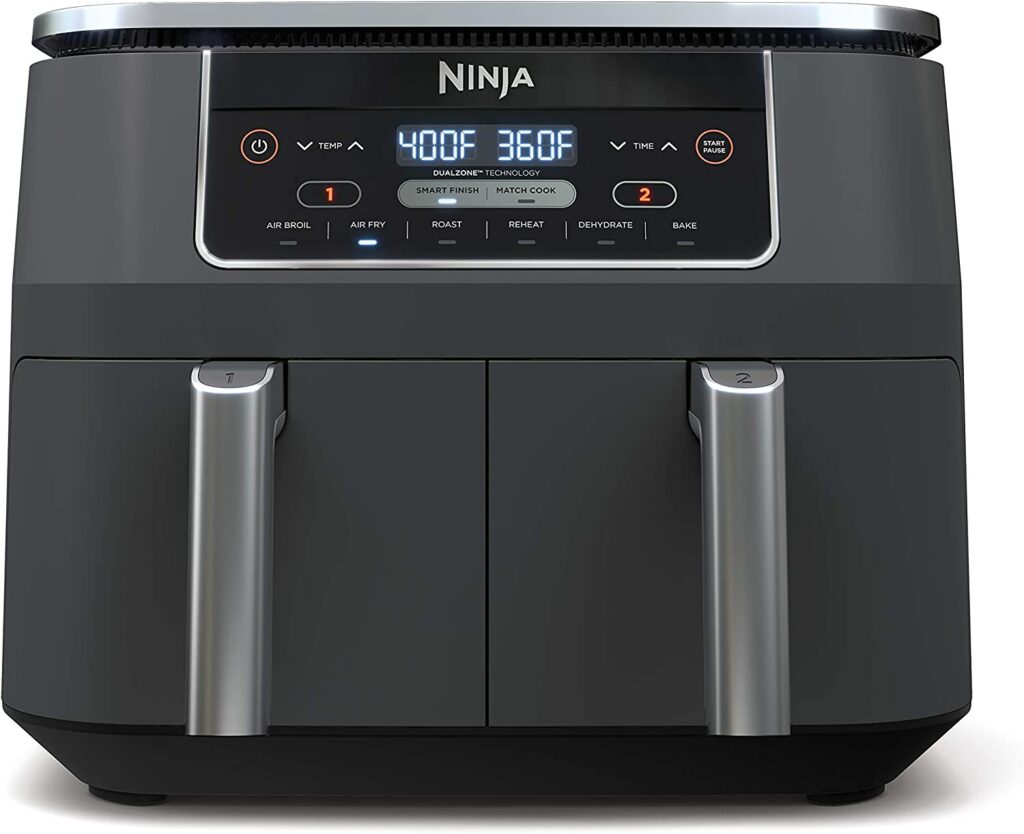
TV dinners have long been a hallmark of convenience in the culinary world, offering a complete meal in a single tray. Traditionally cooked in the oven or microwave, these pre-packaged meals can now be elevated with the use of an air fryer-a modern kitchen appliance that promises crispier textures, evenly cooked food, and faster cooking times. The air fryer uses rapid circulation of hot air to cook food efficiently, creating a unique combination of convenience and quality. For those who have previously struggled with soggy microwave TV dinners or unevenly baked oven meals, mastering the air fryer approach can transform your pre-packaged meal into a crispy, hot, and satisfying dish.
Optimal Air Fryer Temperature To Cook TV Dinner In Air Fryer
Temperature is one of the most critical factors when cooking a TV dinner in an air fryer. Because TV dinners often contain multiple components-proteins, vegetables, starches, and sauces-the air fryer must balance heat distribution to prevent overcooking one section while undercooking another.
Recommended Temperature
- Standard TV dinners: 350°F (175°C) is generally ideal. This temperature allows the food to heat evenly without burning the edges or leaving the center cold.
- For crispier components: If your TV dinner has a breaded item, such as chicken or fish sticks, you may increase the temperature slightly to 360-375°F (182-190°C) for the final 3-5 minutes to achieve a golden exterior.
- Low-moisture meals: Meals that are predominantly vegetables or pasta may require slightly lower heat, around 340°F (171°C), to prevent drying out.
Temperature control is essential because air fryers cook faster than conventional ovens. Excessively high temperatures can cause the outer layer to burn before the interior is adequately heated.
How Long To Cook TV Dinner In Air Fryer
The cooking duration depends on the size of the meal, its contents, and whether it is frozen or thawed. As a general rule:
- Frozen TV dinners: 18-25 minutes at 350°F (175°C).
- Thawed TV dinners: 12-15 minutes at 350°F (175°C).
Tips For Timing
- Midway through cooking (around the 8-12 minute mark), it’s helpful to open the air fryer and check the food. Stirring or rearranging components can prevent uneven heating.
- If your TV dinner has multiple compartments, removing the lid or separating the pieces slightly can allow for better airflow and more uniform cooking.
How To Tell If It Is Done
Checking for doneness ensures safety and optimal taste.
- Visual cues: Cheese should be melted and bubbly, breaded items golden brown, and vegetables tender.
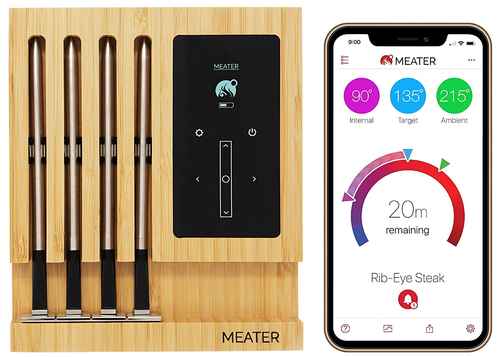
- Internal temperature: Proteins should reach at least 165°F (74°C). Using a digital food thermometer is highly recommended.
- Texture and aroma: A cooked TV dinner should have a slight crisp on the surface of fried or breaded components, while vegetables remain firm yet tender. You should also notice a warm, appetizing aroma filling the kitchen-this is a subtle but reliable cue that the meal is ready.
Ingredients Needed
While the convenience of a TV dinner is that the ingredients are pre-packed, having a few additional items on hand can enhance the meal:
- Optional oil spray or a small brush of olive oil (for crisping breaded or fried components)
- Seasonings (salt, pepper, garlic powder, paprika) if desired
- Fresh herbs for garnish (parsley, chives, or thyme)
How To Cook TV Dinner In Air Fryer
- Preheat the air fryer: Set it to 350°F (175°C) for about 3-5 minutes. Preheating ensures even cooking from the start.
- Prepare the TV dinner: Remove any plastic film or wrapping. If desired, lightly spray or brush oil over breaded items.
- Place in air fryer basket: Ensure the tray or food is not overcrowded. Air circulation is key for even cooking.
- Set the timer: Cook frozen dinners for 18-25 minutes or thawed meals for 12-15 minutes.
- Check halfway: Open the basket and rearrange or rotate if needed.
- Finish cooking: Once done, remove the tray, allow it to cool slightly, and enjoy.
What If I Use A Different Air Fryer Temperature?
Changing the temperature affects cooking time and texture:
- Lower temperature (300-330°F / 149-166°C): The meal may cook more evenly but will require longer cooking times, risking sogginess in breaded items.
- Higher temperature (360-400°F / 182-204°C): Foods will crisp faster but may burn or dry out if not monitored closely. Always reduce the cooking time slightly if increasing temperature.
What If I Use A Different Air Fryer Cooking Time?
- Shorter time: The food may be undercooked, particularly proteins, which could be unsafe.
- Longer time: The meal may overcook, dry out, or develop burnt edges. Use a food thermometer and visual checks to prevent this.
When Things Go Wrong
Common issues and fixes:
- Soggy vegetables: Increase temperature slightly or cook in a single layer.
- Uneven cooking: Check airflow and rearrange the meal midway.
- Burnt edges: Reduce temperature or cover sensitive areas with foil for the final few minutes.
- Frozen sauce not heated through: Stir halfway through and ensure proper placement in the basket for maximum heat circulation.
Expert Tips
- Single-layer placement: Avoid stacking trays or components to ensure optimal air flow.
- Light oil application: Spritz breaded or baked items for a crispier finish.
- Check midway: Stir, rotate, or reposition to prevent hot spots.
- Use foil strategically: A small piece of foil under delicate items can prevent sticking while still allowing airflow.
- Keep the basket dry: Excess liquid can reduce crispiness and increase cooking time.
FAQs
Can I Cook A Frozen TV Dinner Directly In An Air Fryer?
Yes, most frozen TV dinners can be cooked directly in an air fryer. However, it’s important to remove any cardboard or plastic packaging that is not oven-safe. Many air fryer models cook more evenly if the meal is placed in an oven-safe dish or tray inside the basket.
What Temperature Should I Set My Air Fryer For A TV Dinner?
A general guideline is to set the air fryer to 350°F (175°C). Some meals, like those with crispier toppings, may benefit from 375°F (190°C). Always check the packaging for specific oven instructions and adjust slightly for the air fryer, as it circulates heat more efficiently than a conventional oven.
How Long Does It Take To Cook A TV Dinner In An Air Fryer?
Cooking times vary depending on the size and type of TV dinner. Typically, a standard frozen TV dinner takes 15-25 minutes in an air fryer. It’s recommended to check the meal halfway through and stir or rotate components if possible to ensure even heating.
Do I Need To Preheat The Air Fryer Before Cooking A TV Dinner?
Preheating is recommended for most air fryers to ensure even cooking, though it is not always required. Preheating for 3-5 minutes before placing the TV dinner inside can help achieve a better texture, especially for foods that benefit from crisping, like baked pasta or chicken.
Can I Use The Original TV Dinner Tray In The Air Fryer?
It depends on the material. Aluminum trays are generally safe in air fryers, but plastic trays meant only for microwave use should not be used. If unsure, transfer the meal to an oven-safe dish or air fryer-safe pan to avoid melting or releasing harmful chemicals.
How Can I Ensure Even Cooking Of The TV Dinner In An Air Fryer?
For even cooking, shake the basket or rotate the meal halfway through the cooking time. If the dinner has separate compartments, you may also want to stir or move items between sections. Using an oven-safe dish inside the air fryer can also help distribute heat more uniformly.
Is It Safe To Cook Different Types Of TV Dinners Together In The Air Fryer?
It is possible, but caution is needed. Different TV dinners may require different cooking times and temperatures. To avoid uneven cooking or overcooking, it is better to cook similar types of meals together, or cook one after the other, adjusting time as needed.