
How To Cook Frozen Cookie Dough In Air Fryer [FULL GUIDE]
Recommended Equipments:
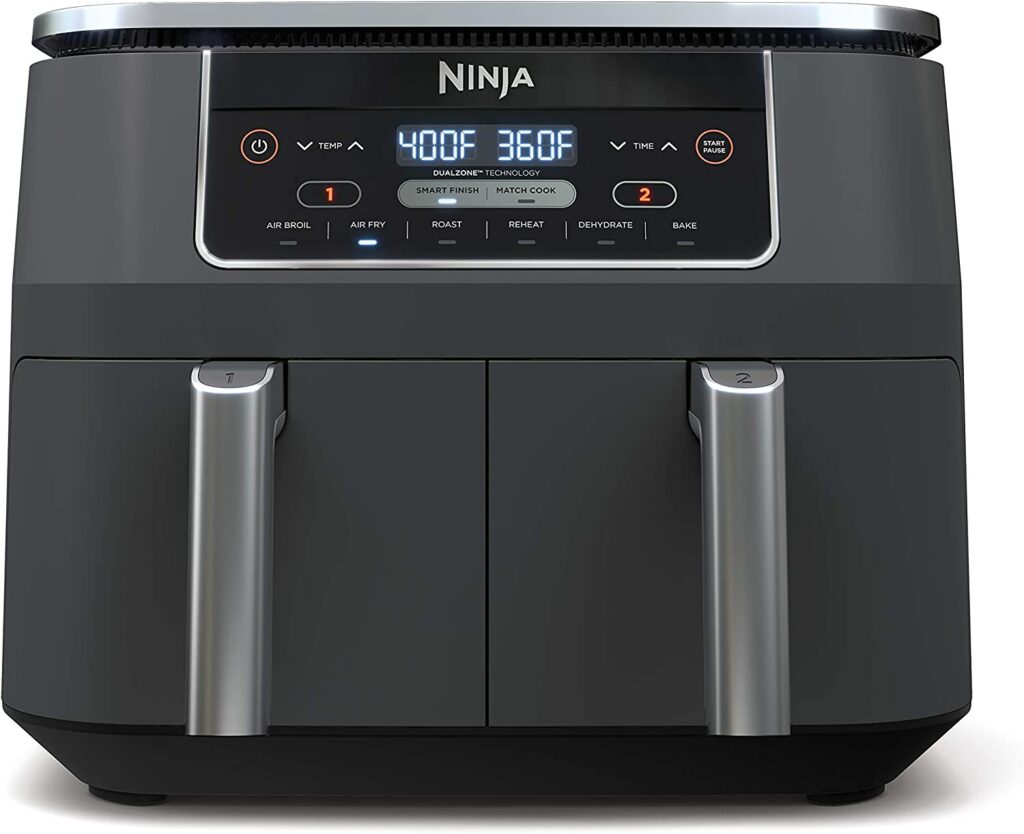
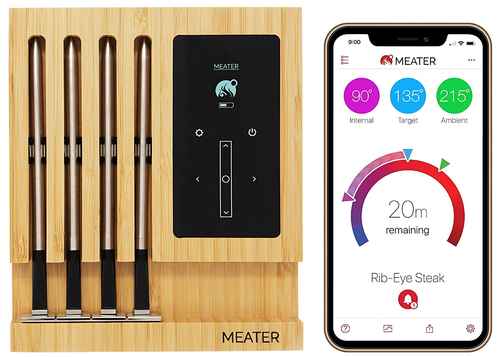
Air fryers have revolutionized home cooking by allowing us to prepare crisp, golden, and perfectly cooked treats with minimal effort. Among the many delights you can make in this versatile kitchen appliance, cookie dough-especially frozen cookie dough-stands out as an irresistible option. Cooking frozen cookie dough in an air fryer is not only convenient but also surprisingly effective. The process delivers cookies with a beautifully crisp exterior and a soft, chewy interior, all without the hassle of preheating a conventional oven or heating up your entire kitchen. Understanding the nuances of temperature, timing, and technique is crucial to consistently achieving that perfect cookie, and this guide will walk you through each step in meticulous detail.
Optimal Air Fryer Temperature To Cook Frozen Cookie Dough In Air Fryer
Temperature is the single most critical factor when baking cookies in an air fryer. Unlike traditional ovens, air fryers cook using rapid air circulation, which means food can brown and crisp faster than expected. For frozen cookie dough, the optimal air fryer temperature generally falls between 325°F and 350°F (163°C to 177°C).
- 325°F (163°C): Provides a slower, more even bake, which is ideal for larger or denser cookie dough pieces. This temperature minimizes the risk of burning the exterior while allowing the interior to cook through.
- 350°F (177°C): Works best for smaller cookie dough balls or when you want a slightly crispier edge. However, it requires careful monitoring, as cookies can go from golden brown to overdone in a minute or two.
Maintaining the right temperature is essential because too low and the cookies may remain doughy in the center; too high and you risk a burnt exterior with a raw interior.
How Long To Cook Frozen Cookie Dough In Air Fryer
Cooking time depends on the size of the cookie dough ball, the type of cookie, and your specific air fryer model. As a general guideline:
- Small cookie dough balls (1-inch diameter): 6-8 minutes
- Medium cookie dough balls (1.5-inch diameter): 8-10 minutes
- Large cookie dough balls (2-inch diameter or more): 10-12 minutes
It’s important to check cookies at the minimum suggested time, as air fryer models vary widely in cooking intensity. Remember, air fryers cook more intensely than ovens due to the circulating hot air, so slightly underbaking and letting residual heat finish the cooking can yield a perfect texture.
How To Tell If It Is Done
Visual and tactile cues are more reliable than time alone. Signs that your cookies are done include:
- Edges: They should be lightly golden and firm to the touch.
- Center: Slightly soft but no longer raw or excessively glossy. The cookie will continue to firm up as it cools.
- Bottom: Gently lift one cookie; it should be golden-brown, not burnt or doughy.
Avoid relying on internal temperature for cookies, as they don’t always correlate with doneness like meat or bread.
Ingredients Needed
For a basic frozen cookie dough preparation:
- Frozen cookie dough (any variety: chocolate chip, sugar, peanut butter, etc.)
- Optional: cooking spray or parchment paper to prevent sticking
No additional ingredients are typically necessary, but for extra flavor or texture, you could lightly dust with sea salt or add a few chocolate chips on top before cooking.
How To Cook Frozen Cookie Dough In Air Fryer
- Preheat (optional): Preheating to 325-350°F ensures even cooking but can be skipped if your air fryer heats quickly.
- Prepare the basket: Lightly spray with non-stick cooking spray or line with parchment paper to prevent sticking.
- Arrange the dough: Place frozen cookie dough balls in a single layer, leaving at least 1 inch of space between them. Overcrowding will reduce airflow and result in uneven cooking.
- Cook: Set the air fryer to the recommended temperature and time based on the dough size. Halfway through, consider gently rotating the cookies to ensure even browning.
- Cool slightly: Let cookies cool for 2-5 minutes before removing from the basket. They continue to firm up as they cool.
What If I Use A Different Air Fryer Temperature?
- Lower than recommended: Cookies will cook more slowly, and centers may stay raw while edges brown minimally. You’ll need to extend cooking time and monitor closely.
- Higher than recommended: Cookies risk burning on the outside while remaining undercooked inside. Only use higher temperatures for very small dough balls, and reduce cooking time accordingly.
What If I Use A Different Air Fryer Cooking Time?
- Shorter time: Cookies will be undercooked and possibly doughy in the center.
- Longer time: Risk of overbrowning or hard, crunchy edges. Always check at the minimum suggested time and add time in 1-2 minute increments as needed.
When Things Go Wrong
Common pitfalls and how to fix them:
- Undercooked centers: Reduce dough size or slightly lower the temperature and extend cook time.
- Burned edges: Lower temperature or use parchment paper to diffuse direct heat.
- Cookies sticking to basket: Use cooking spray, parchment paper, or silicone liners to prevent sticking.
Expert Tips
- Use uniform-sized dough balls: Ensures even cooking.
- Air fryer placement matters: Middle racks allow better circulation; avoid stacking cookies.
- Experiment with timing: Different dough types and air fryer models vary; note results for consistent outcomes.
- Don’t skip cooling: Cookies finish cooking as they cool, so patience prevents overly firm cookies.
- Add mix-ins after partially cooking: Nuts or chocolate chips can be added mid-way to prevent scorching.
FAQs
Can You Cook Frozen Cookie Dough Directly In An Air Fryer?
Yes, you can cook frozen cookie dough directly in an air fryer. The air fryer allows for even cooking without the need to thaw the dough first, which can save time. However, it’s important to adjust the temperature and cooking time since frozen dough takes slightly longer to cook through compared to room-temperature dough.
What Is The Recommended Temperature For Air Frying Frozen Cookie Dough?
The recommended temperature for cooking frozen cookie dough in an air fryer is typically between 325°F and 350°F (160°C-175°C). Using a lower temperature ensures that the cookies cook evenly without burning on the outside while remaining raw in the center.
How Long Should Frozen Cookie Dough Be Cooked In An Air Fryer?
Cooking time for frozen cookie dough in an air fryer usually ranges from 8 to 12 minutes, depending on the size of the cookies and the air fryer model. It’s advisable to start checking at 8 minutes to avoid overcooking, then continue in 1-2 minute increments until the cookies are golden brown and firm at the edges.
Do You Need To Line The Air Fryer Basket When Cooking Frozen Cookie Dough?
Yes, it’s recommended to line the air fryer basket with parchment paper or use a silicone mat. This prevents the cookies from sticking to the basket, makes cleanup easier, and ensures that the bottoms of the cookies do not burn from direct contact with the metal surface.
Can You Cook Multiple Cookies At Once In An Air Fryer?
You can cook multiple cookies at once, but it’s important to leave at least 1-2 inches of space between each cookie. Proper spacing allows hot air to circulate evenly, which ensures that all cookies cook uniformly and develop a consistent texture.
How Can You Tell When Air-fried Cookies Are Done?
Cookies are done when they are golden brown around the edges, slightly firm in the center, and no longer look wet on top. Since air fryer heat can be intense, it’s better to slightly undercook cookies, as they will continue to firm up while cooling.
Is There A Difference In Texture When Cooking Frozen Cookie Dough In An Air Fryer Compared To An Oven?
Yes, cookies cooked in an air fryer often have a slightly crispier exterior and a chewier interior compared to oven-baked cookies. The rapid circulating heat cooks cookies faster and can create a more pronounced browning effect, so monitoring closely is key to achieving the desired texture.