
How To Cook Frozen Hash Browns In Air Fryer [FULL GUIDE]
Recommended Equipments:
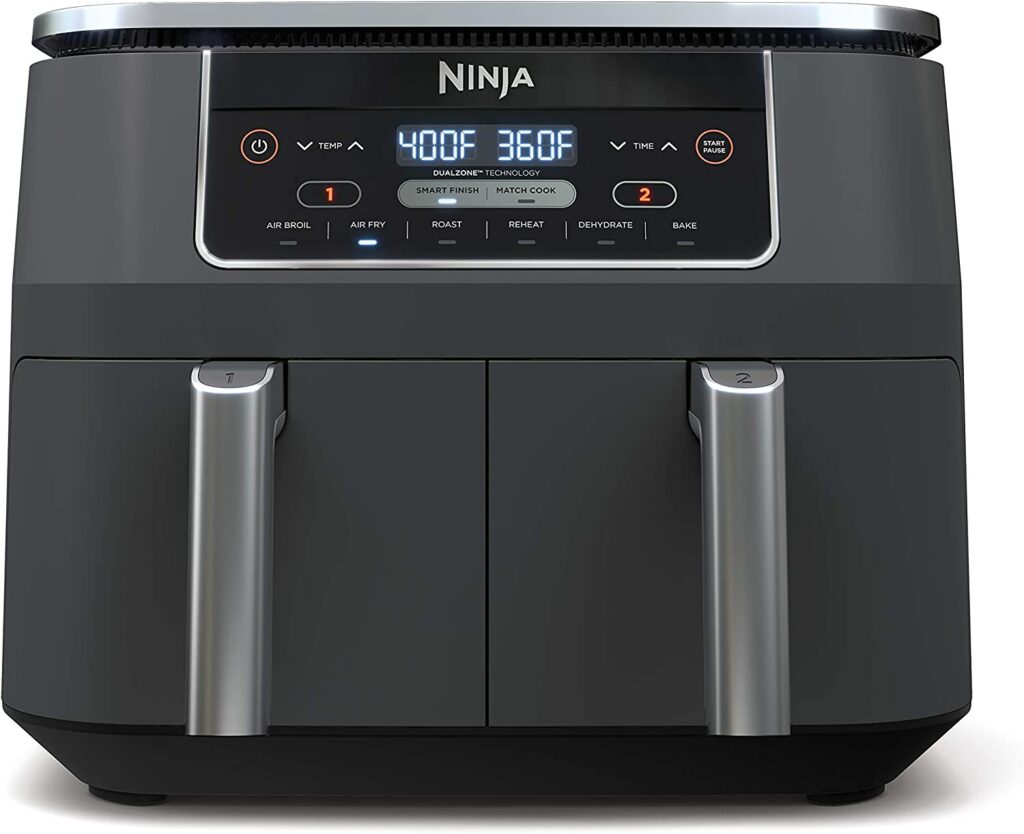
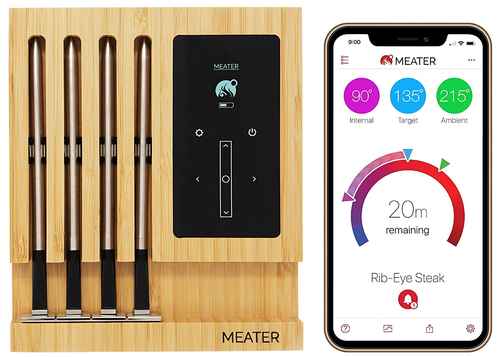
Frozen hash browns are a quintessential breakfast side that combine crispiness, golden-brown perfection, and a soft, tender interior. They’re convenient, versatile, and beloved for their satisfying crunch. While traditional stovetop or oven methods work well, the air fryer has emerged as a modern culinary hero, transforming frozen hash browns into crispy delights with minimal oil and effort. Using an air fryer not only reduces cooking time but also produces consistently uniform results. Understanding the ideal temperature, cooking time, and techniques can elevate even store-bought frozen hash browns into a restaurant-quality dish.
Optimal Air Fryer Temperature To Cook Frozen Hash Browns In Air Fryer
The ideal temperature for cooking frozen hash browns in an air fryer is around 400°F (204°C). This high temperature allows the outer layer of the hash browns to become golden and crisp while the inside remains soft and fluffy. Air fryers circulate hot air rapidly, so cooking at this temperature ensures even browning and prevents the potatoes from steaming rather than crisping. Some models may have slight variations in heat distribution, so it’s crucial to monitor your first batch and adjust slightly if needed.
How Long To Cook Frozen Hash Browns In Air Fryer
Cooking time can vary depending on the type of hash browns (shredded, diced, or patties) and the air fryer’s capacity. Generally:
- Shredded hash browns: 10-15 minutes
- Hash brown patties: 12-18 minutes
- Diced or cubed hash browns: 15-20 minutes
It’s recommended to shake or flip the hash browns halfway through the cooking process. This ensures even exposure to the hot circulating air, producing a uniform golden crust. Overcrowding the air fryer basket can result in uneven cooking, so leave space between pieces.
How To Tell If It Is Done
The finished hash browns should have a golden-brown exterior with a crisp texture. When gently pressed, they should feel firm on the outside while soft inside. For shredded varieties, you may notice some edges curling slightly and turning a deeper golden brown. Another test is to insert a fork into the center; the interior should be tender without any cold spots. If the hash browns appear pale or feel soggy, they need additional cooking time.
Ingredients Needed
Cooking frozen hash browns in an air fryer is remarkably simple. The essential ingredients are:
- Frozen hash browns (shredded, diced, or patties)
- Cooking oil spray (optional but recommended for extra crispiness)
- Salt and pepper to taste
- Optional seasonings: paprika, garlic powder, onion powder, or shredded cheese
No fancy ingredients are needed-the magic is in the cooking technique. Lightly spraying the hash browns with oil enhances browning and prevents sticking, but the air fryer can also cook them without any oil for a lower-calorie option.
How To Cook Frozen Hash Browns In Air Fryer
- Preheat the air fryer: Set it to 400°F (204°C) for about 3-5 minutes. Preheating ensures the hash browns start cooking immediately upon contact with hot air.
- Prepare the hash browns: If desired, lightly spray with cooking oil and season.
- Place in the air fryer basket: Arrange in a single layer for even airflow. Avoid overcrowding.
- Cook for half the recommended time: For shredded hash browns, start with 7-8 minutes.
- Shake or flip: Gently shake the basket or use tongs to turn the hash browns for even browning.
- Continue cooking: Cook for the remaining time until the exterior is crispy and golden.
- Check for doneness: Ensure the interior is tender and the exterior is crisp. Add extra time if necessary.
What If I Use A Different Air Fryer Temperature?
Adjusting the temperature will change both texture and cooking time:
- Lower temperature (350-375°F / 177-191°C): Cooking will be slower. Hash browns may take longer to crisp, potentially leading to softer, less golden results. This method is better if you want a gentler, more even cook.
- Higher temperature (425-450°F / 218-232°C): Cooking will be faster, but hash browns risk burning on the outside before the interior is fully cooked. Constant monitoring is essential at higher temperatures.
The key is balancing crispiness with a fully cooked interior.
What If I Use A Different Air Fryer Cooking Time?
Altering the cooking time can affect texture and doneness:
- Shorter time: Hash browns may be undercooked inside and lack proper browning.
- Longer time: Exterior will become overly dark or burnt while the interior could dry out, especially for shredded varieties.
If you adjust the cooking time, always check the hash browns partway through and shake or flip as needed. Air fryer performance can vary by brand, so personal adjustments may be necessary.
When Things Go Wrong
Common mishaps include:
- Soggy hash browns: Often caused by overcrowding or using frozen hash browns straight from the freezer without sufficient preheating.
- Uneven browning: Can result from not shaking or flipping halfway through cooking.
- Burnt edges: Usually a consequence of cooking at too high a temperature or leaving them in too long.
Solution: Cook in smaller batches, monitor frequently, and adjust temperature or time incrementally.
Expert Tips
- Use a light spray of oil: Even a tiny amount helps achieve professional-level crispiness.
- Do not overcrowd: Air circulation is key for uniform cooking.
- Shake or flip: Essential for shredded or diced hash browns.
- Experiment with seasoning: Sprinkle paprika, garlic, or smoked salt halfway through cooking for enhanced flavor.
- Preheat the air fryer: Guarantees immediate, even cooking.
FAQs
Do I Need To Thaw Frozen Hash Browns Before Cooking Them In An Air Fryer?
No, you do not need to thaw frozen hash browns before cooking. Air fryers are designed to handle frozen foods directly, and cooking them from frozen ensures a crisp exterior while keeping the interior soft and fluffy.
What Temperature Should I Set My Air Fryer For Cooking Frozen Hash Browns?
Preheat your air fryer to 400°F (200°C). This temperature is ideal for achieving a golden-brown, crispy texture on the outside while ensuring the hash browns are fully cooked inside.
How Long Does It Take To Cook Frozen Hash Browns In An Air Fryer?
Cooking time varies depending on the type and thickness of hash browns. Generally, small or shredded hash browns take about 10-12 minutes, while patties may take 12-15 minutes. Shake or flip halfway through cooking for even crispiness.
Do I Need To Add Oil To Frozen Hash Browns Before Air Frying?
Adding a small amount of oil, such as 1 teaspoon per serving, can improve crispiness and enhance flavor, but it is not strictly necessary. Non-stick spray or brushing lightly with oil works well to prevent sticking.
How Can I Prevent Frozen Hash Browns From Sticking To The Air Fryer Basket?
To prevent sticking, lightly coat the air fryer basket with oil or non-stick spray. Avoid overcrowding the basket, as this can trap moisture and make the hash browns soggy.
Should I Shake Or Flip Hash Browns During Air Frying?
Yes, shaking the basket or flipping the hash browns halfway through cooking ensures even browning and crispiness on all sides.
Can I Season Frozen Hash Browns Before Air Frying?
Yes, you can season frozen hash browns before air frying. Lightly sprinkle salt, pepper, or other seasonings on the surface, ideally after adding a thin layer of oil, so the seasoning adheres well.