
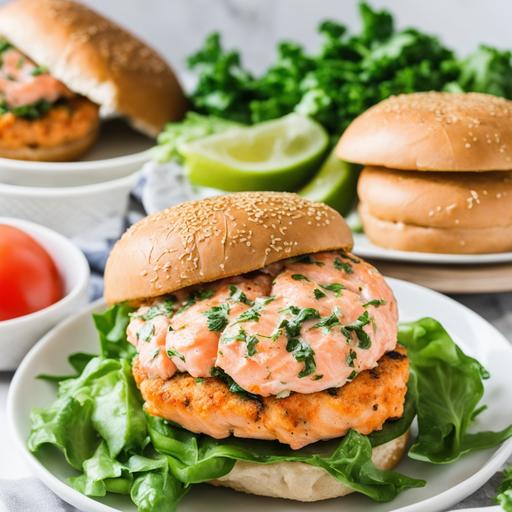
How To Cook Frozen Salmon Burger In Air Fryer [FULL GUIDE]
Recommended Equipments:
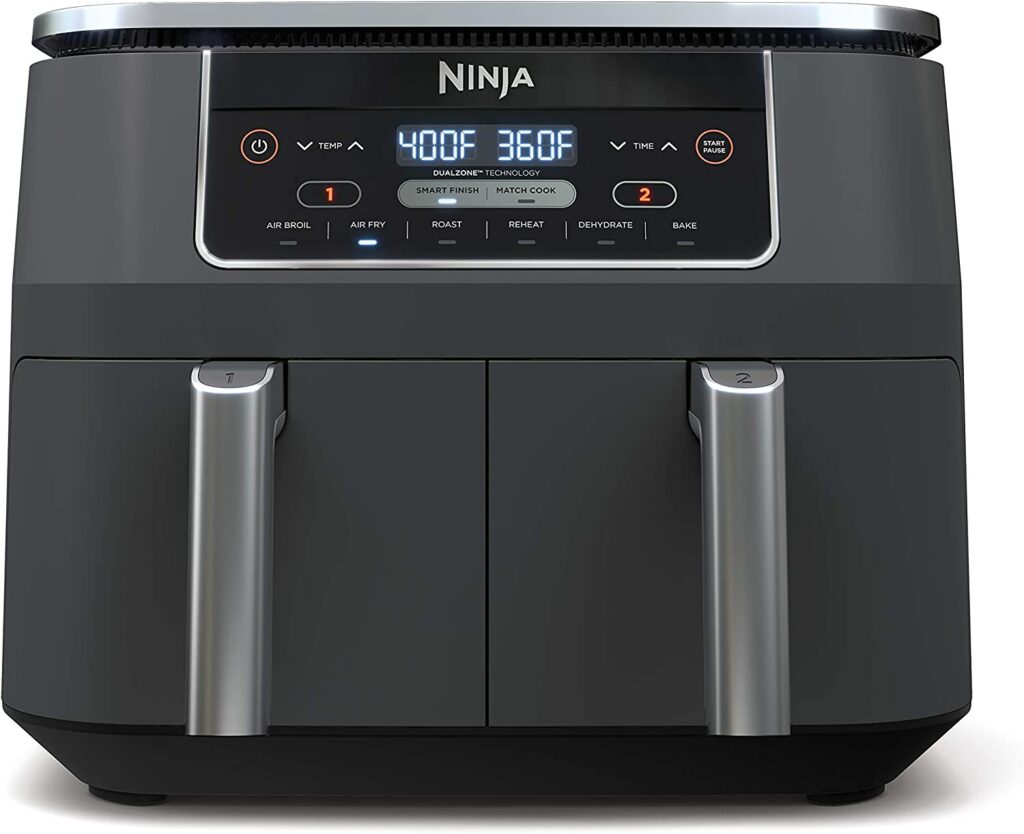
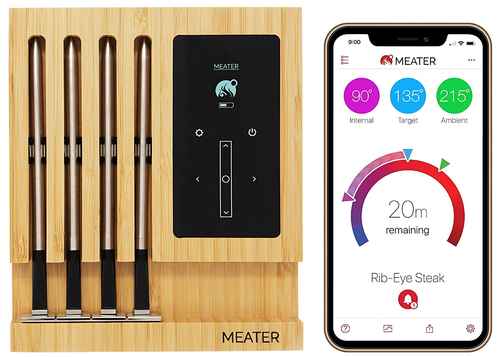
Cooking frozen salmon burgers in an air fryer has rapidly become a favorite among busy home cooks, health enthusiasts, and seafood lovers alike. The air fryer, with its ability to crisp food using minimal oil while locking in flavor, offers a perfect solution for those seeking a quick, healthy, and delicious meal. Unlike traditional frying methods, the air fryer ensures your salmon burger achieves a golden, slightly crunchy exterior while retaining its moist, tender interior. Understanding the precise balance of temperature, cooking time, and technique is crucial, especially with frozen seafood, which can cook unevenly if not handled properly. This guide dives deep into every aspect of air frying frozen salmon burgers, ensuring you achieve consistent, restaurant-quality results every time.
Optimal Air Fryer Temperature To Cook Frozen Salmon Burger In Air Fryer
The ideal air fryer temperature for frozen salmon burgers is around 375°F (190°C). This temperature strikes a perfect balance: it is hot enough to cook the burger thoroughly without drying it out while allowing the exterior to crisp up nicely. Temperatures lower than 350°F may result in a longer cooking time, potentially making the burger soggy or unevenly cooked. Conversely, temperatures above 400°F can cause the exterior to char or become hard before the interior reaches a safe temperature, compromising the burger’s juiciness.
Temperature consistency is key because salmon is a delicate fish that can quickly go from perfectly cooked to overcooked and dry. A medium-high heat setting ensures that the heat penetrates the frozen patty evenly, while the circulating air in the fryer promotes browning and flavor development without the need for excess oil.
How Long To Cook Frozen Salmon Burger In Air Fryer
Cooking time can vary slightly depending on the thickness of the burger, the brand of your air fryer, and whether it is preheated. On average:
- Standard frozen salmon burger (about 4-5 oz): 12-15 minutes
- Thicker patties (6-7 oz): 15-18 minutes
It is best to flip the burger halfway through cooking. This ensures even browning on both sides and prevents any part of the patty from becoming dry or overcooked. Preheating the air fryer for 3-5 minutes before adding the burger can help achieve a more consistent cooking result.
How To Tell If It Is Done
Checking doneness is crucial for safety and flavor. Salmon is done when:
- Internal temperature reaches 145°F (63°C): Use an instant-read thermometer for accuracy.
- Texture is firm but moist: The burger should flake slightly when pressed gently with a fork but still hold together.
- Exterior is golden brown: The surface should have a slight crisp, indicating proper cooking.
Avoid cutting the burger too early, as this can release moisture and dry it out. Relying on internal temperature and texture is the most reliable method.
Ingredients Needed
For a basic frozen salmon burger, you will need:
- 1-2 frozen salmon burger patties (store-bought or homemade)
- 1-2 teaspoons of olive oil or cooking spray (optional, for extra crispiness)
- Seasonings if desired (salt, pepper, garlic powder, paprika, or lemon zest)
- Optional burger toppings: lettuce, tomato, onion, pickles, avocado, or sauce of your choice
- Burger buns (optional)
The beauty of air frying frozen salmon burgers is that you can keep it simple or elevate it with spices and toppings according to your taste preferences.
How To Cook Frozen Salmon Burger In Air Fryer
- Preheat the Air Fryer: Set to 375°F (190°C) for 3-5 minutes.
- Prepare the Burger: Lightly brush or spray both sides of the frozen patty with olive oil if desired. Season with salt, pepper, or your favorite spices.
- Place in Air Fryer Basket: Ensure there is space between patties for air circulation.
- Cook for 6-8 Minutes: Start with one side.
- Flip the Burger: Cook for another 6-8 minutes until golden brown and the internal temperature reaches 145°F.
- Check Doneness: Use a thermometer or press gently with a fork to confirm the texture.
- Serve Immediately: Place on a bun with desired toppings or enjoy on its own with sides.
What If I Use A Different Air Fryer Temperature?
- Lower Temperature (325-350°F / 160-175°C): The burger will cook more slowly, which can sometimes help retain moisture. However, it may not achieve a crisp exterior. Cooking time may need to be extended by 4-6 minutes.
- Higher Temperature (400-425°F / 200-220°C): The outside may brown quickly, but the interior risks being undercooked or dry. You must monitor closely and reduce cooking time by a few minutes.
Temperature adjustments should always be paired with internal temperature checks to ensure safety and quality.
What If I Use A Different Air Fryer Cooking Time?
Altering cooking time without adjusting temperature can affect texture and safety:
- Shorter Time: The patty may remain undercooked, especially in the center.
- Longer Time: Overcooking can dry out the salmon and make the patty tough.
The key is to flip the patty halfway and check the internal temperature rather than relying solely on minutes.
When Things Go Wrong
Even with an air fryer, mishaps can happen:
- Undercooked Center: Return to the fryer for 2-4 more minutes, checking frequently.
- Dry or Overcooked Burger: Reduce temperature in future attempts or spray lightly with oil before cooking.
- Soggy Exterior: Preheat the air fryer or avoid overcrowding the basket for proper air circulation.
Understanding your specific air fryer model’s quirks is essential, as performance can vary widely.
Expert Tips
- Don’t Skip Preheating: It ensures even cooking and crisping.
- Flip Halfway: Guarantees golden-brown results on both sides.
- Use a Thermometer: Salmon cooks quickly, and accuracy prevents overcooking.
- Light Oil Spritz: Enhances browning without making the burger greasy.
- Add Lemon or Herbs Post-Cooking: Keeps flavors bright and fresh.
- Air Fry in Batches: Avoid overcrowding to maintain proper airflow.
FAQs
Do I Need To Thaw Frozen Salmon Burgers Before Air Frying?
No, you do not need to thaw frozen salmon burgers before cooking them in an air fryer. Air fryers can cook frozen foods evenly and efficiently, saving time while achieving a crispy exterior.
What Temperature Should I Set My Air Fryer To For Cooking Frozen Salmon Burgers?
Set the air fryer to 375°F (190°C). This temperature allows the salmon burger to cook thoroughly while developing a lightly crispy outside without drying out the interior.
How Long Does It Take To Cook A Frozen Salmon Burger In An Air Fryer?
Cooking time generally ranges between 12 and 15 minutes. Flip the burger halfway through the cooking process to ensure even browning and proper internal temperature.
Do I Need To Add Oil To Frozen Salmon Burgers Before Air Frying?
Adding a small amount of cooking oil or lightly spraying the burger with oil is optional. It can help improve browning and prevent sticking, but most frozen salmon burgers already contain enough fat for air frying.
How Can I Tell If My Salmon Burger Is Fully Cooked In The Air Fryer?
The internal temperature should reach 145°F (63°C) when measured with a food thermometer. The exterior should be lightly browned and crispy, and the fish should flake easily with a fork.
Should I Season Frozen Salmon Burgers Before Air Frying?
Seasoning is optional, as many frozen salmon burgers are pre-seasoned. If desired, you can add a light sprinkle of salt, pepper, or other herbs and spices before cooking to enhance flavor.
Can I Cook Multiple Frozen Salmon Burgers At Once In The Air Fryer?
Yes, you can cook multiple burgers simultaneously, but make sure they are arranged in a single layer without overlapping. Overcrowding can prevent proper air circulation and result in uneven cooking.