
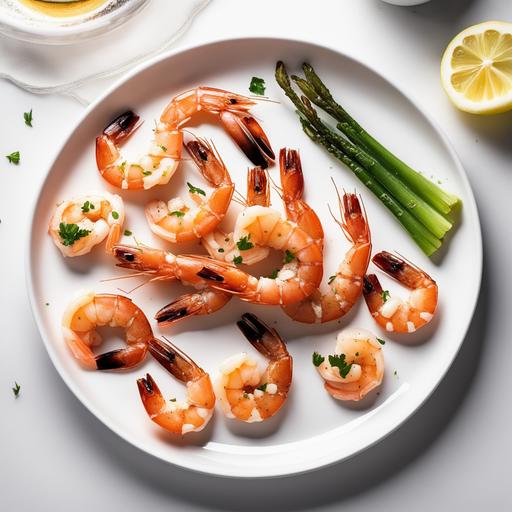
How To Cook Frozen Shrimp In Air Fryer [FULL GUIDE]
Recommended Equipments:
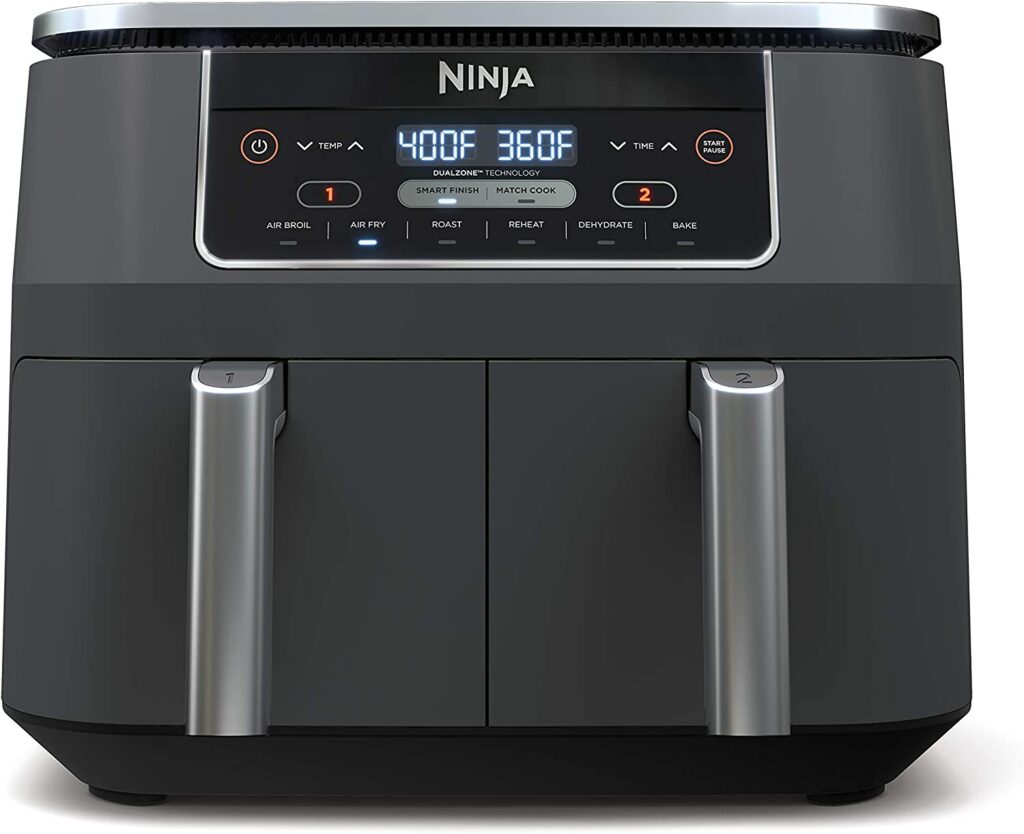
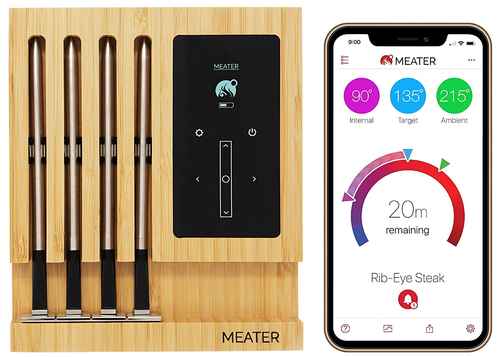
Shrimp is a versatile seafood delicacy loved worldwide for its delicate flavor, succulent texture, and quick-cooking properties. Among the modern kitchen appliances that revolutionize how we prepare shrimp, the air fryer stands out. Air fryers use rapid air circulation to cook food with minimal oil, producing crispy, flavorful results that rival traditional frying methods but with a fraction of the fat. Frozen shrimp, in particular, is a pantry staple for busy home cooks-it allows you to enjoy fresh-tasting shrimp anytime without worrying about spoilage. Understanding the proper temperature, timing, and technique for air frying frozen shrimp ensures a perfect meal every time, whether it’s for a quick weeknight dinner, a protein-packed salad, or a party appetizer.
Optimal Air Fryer Temperature To Cook Frozen Shrimp In Air Fryer
Temperature is the cornerstone of perfectly cooked shrimp. Frozen shrimp require a heat high enough to cook them thoroughly without drying them out. The ideal air fryer temperature for frozen shrimp is 400°F (204°C). At this temperature, the shrimp cook quickly, allowing their natural juices to remain locked inside, while the exterior develops a subtle crispness. Lower temperatures may undercook the shrimp or leave them rubbery, whereas higher temperatures risk overcooking, leading to a tough, chewy texture. Maintaining this balance is key, especially for shrimp that are already frozen and need even heat penetration.
How Long To Cook Frozen Shrimp In Air Fryer
Cooking time is closely tied to shrimp size and air fryer efficiency. Generally, medium-sized frozen shrimp take 8-10 minutes at 400°F. It is essential to shake or stir the basket halfway through cooking to ensure even exposure to the hot air. Overcooking by even a minute can dramatically alter texture, turning tender shrimp into a rubbery chew. Smaller shrimp may only need 6-7 minutes, while jumbo shrimp could require 10-12 minutes. Monitoring cooking time carefully prevents undercooked or overcooked results.
How To Tell If It Is Done
Visual and tactile cues help determine if frozen shrimp are perfectly cooked:
- Color: Raw shrimp are translucent gray; cooked shrimp are opaque with a pinkish-orange hue.
- Texture: Properly cooked shrimp are firm to the touch but still tender and slightly springy.
- Shape: Shrimp naturally curl into a loose ’C’ shape when cooked. If the curl is very tight, resembling an “O”, they are likely overcooked.
- Internal Temperature: For precise cooking, the internal temperature should reach 120-140°F (49-60°C).
Ingredients Needed
Cooking frozen shrimp in an air fryer is simple, and the ingredients often require minimal preparation:
- Frozen shrimp (peeled, deveined, and tails removed or left on)
- Olive oil or cooking spray (optional, for added crispiness)
- Seasonings such as salt, pepper, garlic powder, paprika, lemon zest, or Old Bay seasoning
-
Fresh herbs (optional, for finishing, like parsley or cilantro)
These ingredients allow customization while preserving the shrimp’s natural flavor.
How To Cook Frozen Shrimp In Air Fryer
- Preheat the air fryer: Set to 400°F (204°C) for 3-5 minutes.
- Prepare the shrimp: Pat frozen shrimp dry to remove excess ice crystals. Lightly coat with olive oil or cooking spray for a crisp exterior. Season to taste.
- Arrange the shrimp: Place them in a single layer in the air fryer basket to ensure even cooking. Overcrowding reduces airflow and results in uneven cooking.
- Air fry: Cook for 8-10 minutes, shaking or tossing halfway through. Check for doneness using the visual cues above.
- Serve immediately: Shrimp are best served hot, either alone, over salads, pastas, or in tacos.
What If I Use A Different Air Fryer Temperature?
Altering the temperature affects cooking speed and texture:
- Lower temperatures (350-375°F / 177-190°C): Shrimp cook more slowly, which can help prevent overcooking if you prefer a gentler heat. However, they may lack the slightly crisp exterior that high heat produces.
- Higher temperatures (425-450°F / 218-232°C): Shrimp cook faster and may achieve a crispier finish, but they are more prone to uneven cooking or dryness. Careful monitoring is crucial to prevent burning.
What If I Use A Different Air Fryer Cooking Time?
Cooking time adjustments impact the shrimp’s texture and moisture:
- Shorter time: Shrimp may remain undercooked in the center, risking a mushy or icy texture.
- Longer time: Even a few extra minutes can overcook shrimp, making them tough, rubbery, and shrunken. Always start with the recommended time and check frequently if altering.
When Things Go Wrong
Even with careful planning, issues can occur:
- Shrimp are rubbery: Likely overcooked. Reduce temperature slightly or shorten cooking time next attempt.
- Shrimp are undercooked: They may have been too crowded in the basket. Cook in batches and ensure even spacing.
- Uneven browning: Toss halfway through cooking to ensure all shrimp are exposed to circulating hot air.
- Shrimp stick to the basket: Lightly coat with cooking spray or use parchment paper designed for air fryers.
Expert Tips
- Preheating matters: Many skip this step, but it ensures even cooking from the start.
- Don’t thaw unless necessary: Cooking from frozen preserves texture and reduces prep time.
- Batch cooking: Avoid overcrowding to maintain crispiness and uniform cooking.
- Season after cooking: If using delicate herbs or citrus, add them after cooking to preserve flavor.
- Experiment with coatings: Light breadcrumbs, Parmesan, or panko can elevate air-fried shrimp to restaurant quality.
FAQs
Can I Cook Frozen Shrimp Directly In The Air Fryer Without Thawing?
Yes, you can cook frozen shrimp directly in the air fryer. There is no need to thaw them first, which saves time. However, cooking times may be slightly longer than for thawed shrimp, and seasoning may not adhere as well unless you lightly oil the shrimp before cooking.
What Temperature Should I Set My Air Fryer To For Frozen Shrimp?
The recommended temperature for cooking frozen shrimp in an air fryer is typically 400°F (200°C). This high heat ensures that the shrimp cook quickly and evenly while developing a slightly crispy exterior.
How Long Does It Take To Cook Frozen Shrimp In An Air Fryer?
Cooking time generally ranges from 8 to 12 minutes depending on the size of the shrimp and the air fryer model. Medium shrimp usually take around 8-10 minutes, while larger shrimp may require 11-12 minutes. Shake the basket halfway through cooking to ensure even cooking.
Do I Need To Season Frozen Shrimp Before Air Frying?
Seasoning is optional but recommended for flavor. You can lightly coat the frozen shrimp with oil and then sprinkle with salt, pepper, garlic powder, paprika, or your preferred seasonings. For more even coating, you may toss the shrimp in oil and seasonings after thawing, but cooking directly from frozen is still effective.
How Do I Know When Frozen Shrimp Are Done In The Air Fryer?
Shrimp are done when they turn opaque and pink, with a slight curl in their shape. The internal temperature should reach 120°F to 140°F (49°C to 60°C). Overcooking can make shrimp rubbery, so monitor them closely during the last few minutes of cooking.
Can I Cook Breaded Frozen Shrimp In The Air Fryer?
Yes, breaded frozen shrimp can be cooked in the air fryer. Preheat the air fryer to 400°F (200°C) and cook for 10-12 minutes, flipping halfway through. This method produces a crispy exterior without the need for deep frying.
Do I Need To Preheat My Air Fryer For Frozen Shrimp?
Preheating is optional but recommended for best results. Preheating the air fryer for 3-5 minutes ensures that the shrimp cook evenly and helps achieve a crispier texture. If you skip preheating, you may need to add 1-2 extra minutes to the cooking time.