
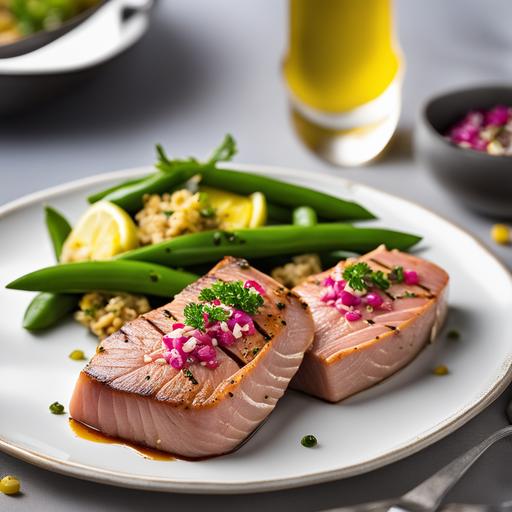
How To Cook Frozen Tuna Steak In Air Fryer [FULL GUIDE]
Recommended Equipments:
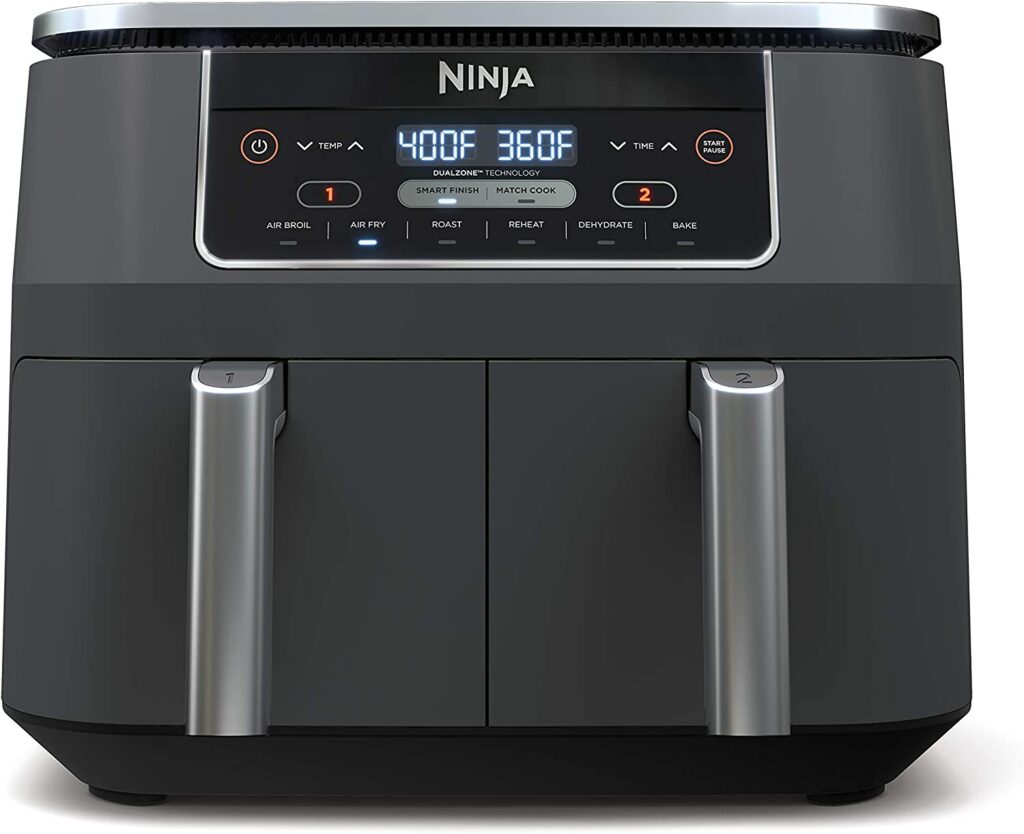
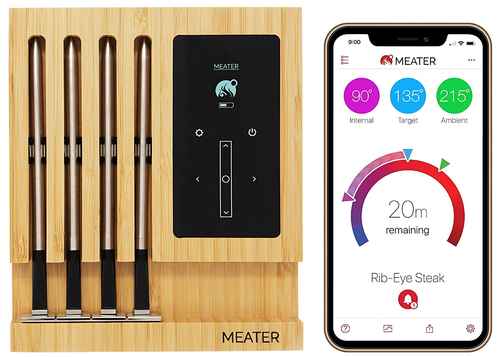
Cooking frozen tuna steak in an air fryer is a culinary shortcut that blends convenience with the robust flavor and nutrition of tuna. Tuna steak is prized for its meaty texture, high protein content, and omega-3 fatty acids, which support heart and brain health. Traditionally, cooking frozen tuna meant thawing it first-an often time-consuming step. The air fryer, however, leverages rapid hot air circulation to cook frozen foods evenly and efficiently, reducing the need for prior thawing while maintaining the steak’s tender, flaky interior and lightly seared exterior. Whether you’re seeking a quick weekday meal or an impressive dinner in minimal time, mastering the art of cooking frozen tuna in an air fryer can transform your culinary routine.
Optimal Air Fryer Temperature To Cook Frozen Tuna Steak In Air Fryer
Temperature control is the cornerstone of perfectly cooked tuna. Tuna is unique because it benefits from precision cooking-too high a temperature, and the exterior becomes dry or overcooked before the inside is properly done; too low, and it can cook unevenly. For frozen tuna steak, the ideal air fryer temperature lies between 375°F and 400°F (190°C-204°C). This range ensures rapid heating that penetrates the frozen interior while developing a lightly seared surface. For thicker cuts, 375°F is preferable, allowing the heat to reach the center gradually. For thinner or individually portioned steaks, 400°F offers a quicker cook time and a lightly crisp exterior. Maintaining this temperature range is key to balancing tenderness and flavor.
How Long To Cook Frozen Tuna Steak In Air Fryer
Cooking time depends on steak thickness and air fryer model. For a standard 1-inch thick frozen tuna steak, the recommended cooking time is 10-14 minutes, flipping halfway through for even heat distribution. Thinner steaks (½ inch) can cook in 7-9 minutes, while thicker cuts (1.5 inches or more) may require 14-18 minutes. Preheating the air fryer for 3-5 minutes can also help stabilize cooking times. Because air fryers vary in intensity, it’s wise to monitor the steak a minute or two before the estimated completion to avoid overcooking.
How To Tell If It Is Done
Tuna steak is best served medium-rare to medium, allowing the interior to remain moist and slightly pink. Signs your tuna is done include:
- Internal temperature: Use a meat thermometer-125°F (52°C) for medium-rare, 135°F (57°C) for medium.
- Texture: The fish should flake slightly with a fork but still feel firm and meaty.
- Visual cues: The edges should have a light golden-brown crust, while the center retains a translucent pink hue. Overcooked tuna is dry, chalky, and loses its signature tender mouthfeel.
Ingredients Needed
To keep the process simple yet flavorful, gather the following:
- Frozen tuna steak (1-inch thick recommended)
- Olive oil or cooking spray (to prevent sticking and enhance browning)
- Salt and pepper (for basic seasoning)
- Optional: garlic powder, smoked paprika, lemon juice, or fresh herbs (for added depth of flavor)
How To Cook Frozen Tuna Steak In Air Fryer
- Preheat the Air Fryer: Set to 375°F for thicker steaks or 400°F for thinner cuts, preheating for 3-5 minutes.
- Prepare the Tuna: Lightly brush the steak with olive oil and season both sides with salt, pepper, and optional spices.
- Place in Air Fryer: Lay the tuna flat in the air fryer basket, leaving space around it for air circulation.
- Cook: Air fry for 5-7 minutes per side (depending on thickness). Flip halfway through.
- Check Doneness: Use a meat thermometer or visually inspect for a slightly pink center.
- Rest: Allow the tuna to rest for 2-3 minutes before serving, locking in juices.
What If I Use A Different Air Fryer Temperature?
Altering the temperature can significantly affect the texture and cooking time.
- Lower than 375°F: Slower cooking may result in unevenly cooked tuna; the exterior may not sear properly, leading to a pale, underwhelming surface.
- Higher than 400°F: While the exterior may brown quickly, the interior risks overcooking, becoming dry and tough. Higher temperatures are better for very thin cuts but require careful timing.
What If I Use A Different Air Fryer Cooking Time?
Adjusting cooking time without considering temperature can also affect the steak.
- Shorter time: Tuna may remain raw or overly cold in the center.
- Longer time: Tuna can dry out, lose flavor, and develop a tough texture. Always combine time adjustments with temperature checks and use a thermometer for accuracy.
When Things Go Wrong
Even with precise instructions, mishaps can happen:
- Overcooked Tuna: Too dry and gray in color-reduce temperature or cooking time next time.
- Uneven Cooking: Thicker steaks might cook unevenly-flip halfway and consider slicing thick cuts in half if the air fryer is small.
- Sticking: Tuna sticking to the basket-use light oil or nonstick spray and ensure the basket is clean.
Expert Tips
- Do Not Thaw Before Cooking: Air fryer cooking handles frozen steaks well, saving prep time.
- Invest in a Meat Thermometer: This ensures precise doneness and prevents overcooking.
- Season Just Before Cooking: Salt draws moisture-season immediately to avoid drying the fish.
- Experiment with Marinades: Frozen tuna absorbs marinades better when lightly brushed after initial searing.
- Avoid Crowding: Ensure proper air circulation; cook in batches if necessary.
FAQs
Can You Cook A Frozen Tuna Steak Directly In An Air Fryer?
Yes, you can cook a frozen tuna steak directly in an air fryer. While it is generally recommended to thaw fish for more even cooking, air fryers are capable of cooking frozen tuna steaks safely. Cooking time will be longer than for thawed tuna, and seasoning may need to be applied either before cooking or after partially thawing for best flavor.
What Temperature Should I Set My Air Fryer To Cook Frozen Tuna Steak?
For cooking a frozen tuna steak in an air fryer, a temperature of 400°F (204°C) is ideal. This allows the steak to cook quickly and evenly while developing a slightly crisp exterior. Adjustments may be needed depending on the thickness of the steak and the specific air fryer model.
How Long Does It Take To Cook A Frozen Tuna Steak In An Air Fryer?
Cooking time varies based on thickness, but typically a frozen tuna steak takes 12-16 minutes in an air fryer at 400°F (204°C). Halfway through cooking, flipping the steak ensures even cooking on both sides. Always check internal temperature to ensure it reaches at least 125°F (52°C) for medium-rare or 145°F (63°C) for well-done.
Should I Season A Frozen Tuna Steak Before Air Frying?
You can season a frozen tuna steak, but for better adherence of spices and marinades, it is recommended to lightly thaw the steak first. Simple seasonings such as salt, pepper, garlic powder, or a drizzle of olive oil work well. Alternatively, seasoning after partially cooking is also an option.
Do I Need To Thaw Frozen Tuna Steak Before Air Frying?
Thawing is not strictly necessary but is recommended for more even cooking and better texture. Thawing also allows seasonings or marinades to penetrate the fish more effectively. If cooking directly from frozen, expect slightly longer cooking times and potentially less even seasoning absorption.
How Can I Tell When The Tuna Steak Is Done In The Air Fryer?
The most reliable method is using a food thermometer. Tuna is best when cooked to an internal temperature of 125°F (52°C) for medium-rare. If you prefer well-done, cook to 145°F (63°C). Additionally, the exterior should have a slightly firm texture, while the interior should be opaque or slightly pink depending on your preferred doneness.
Can I Use A Marinade On Frozen Tuna Steak In The Air Fryer?
Yes, but it is more effective to marinate the tuna after partial thawing. Marinades will not penetrate frozen fish well. If you wish to marinate from frozen, use a simple liquid or brush-on glaze during cooking to enhance flavor without over-saturating the surface.