
How To Cook Grilled Cheese In Air Fryer [FULL GUIDE]
Recommended Equipments:
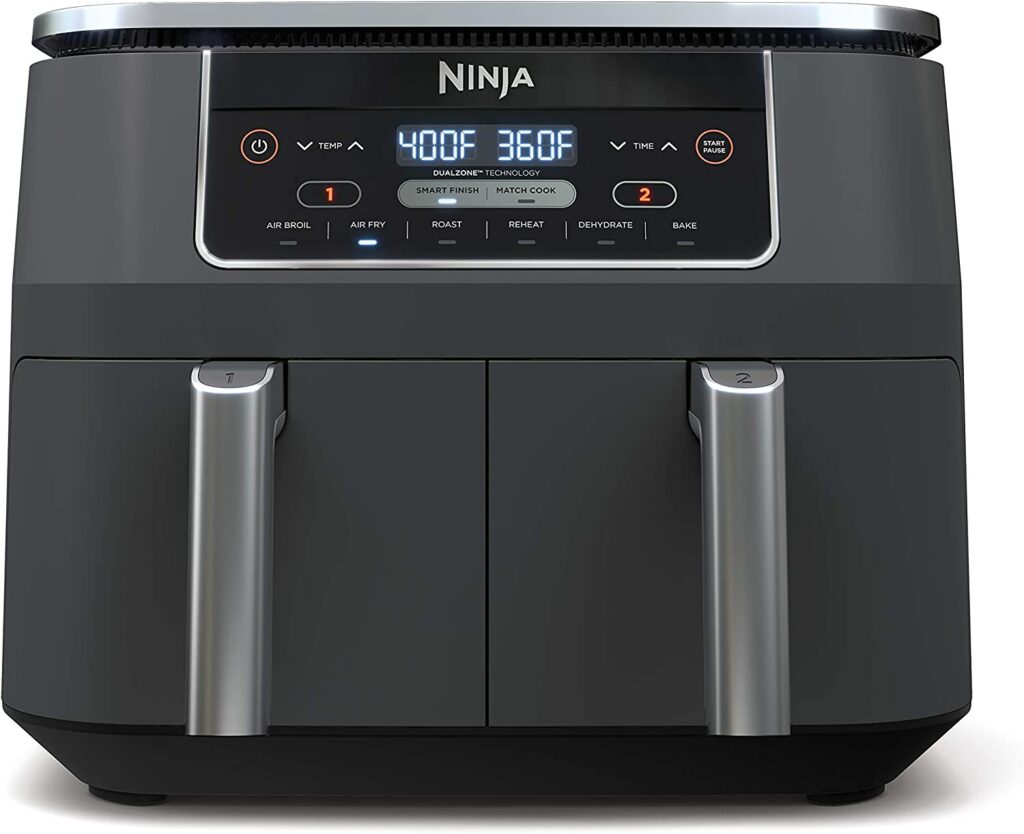

A grilled cheese sandwich may be one of the simplest comfort foods in the culinary world, yet achieving the perfect balance between crisp, golden bread and silky, melted cheese can feel unexpectedly elusive. Traditional stovetop methods rely heavily on intuition, timing, and careful temperature control, which can sometimes lead to the familiar frustrations of uneven browning or cheese that melts too slowly. The air fryer, however, changes the game entirely. With its ability to circulate hot air evenly around the food, it delivers a consistently crisp exterior while gently coaxing the cheese into a smooth, molten center.
Cooking grilled cheese in an air fryer is not only fast and convenient, but remarkably reliable. Whether you’re preparing a quick lunch, a late-night snack, or experimenting with gourmet variations, understanding temperature, timing, and technique will help you master this simple yet satisfying dish. What follows is a comprehensive guide to creating flawless air fryer grilled cheese every time.
Optimal Air Fryer Temperature To Cook Grilled Cheese In Air Fryer
The ideal temperature for cooking grilled cheese in an air fryer is 370°F (188°C). This specific heat level strikes the perfect balance between crisping the bread and thoroughly melting the cheese without burning or over-drying either component.
At this temperature, the circulating air rapidly toasts the outer layers of the bread, producing an even, golden hue while maintaining a soft interior structure. Meanwhile, the cheese is exposed to enough sustained heat to melt fully before the bread becomes overly crisp. Temperatures much higher than this risk over-browning before the cheese melts, while significantly lower settings may leave you with pale, under-toasted bread.
How Long To Cook Grilled Cheese In Air Fryer
Cooking grilled cheese in an air fryer typically takes 7-9 minutes total, depending on your air fryer model and the thickness of your bread and cheese. A reliable approach is:
- Cook for 3-4 minutes at 370°F.
- Flip the sandwich carefully.
- Cook for another 3-5 minutes.
The flipping step ensures even browning and allows the heat to penetrate both sides of the sandwich, resulting in a balanced texture throughout.
How To Tell If It Is Done
A grilled cheese sandwich is perfectly cooked when:
- The bread is golden brown and crisp. The surface should have a uniform toasted appearance without dark patches or soggy areas.
- The cheese is visibly melted. You may notice slight bubbling or softening at the edges where the cheese meets the bread.
- The sandwich feels slightly firm when lifted. This firmness indicates that the interior cheese has melted and is helping bind the sandwich together.
If the exterior appears perfect but the cheese is still firm, you can return the sandwich to the air fryer in 1-minute increments until the center reaches the proper melt.
Ingredients Needed
The beauty of grilled cheese lies in its simplicity. To make a classic version, you will need:
- Bread: White, sourdough, brioche, wheat, or thick-cut artisan bread all work well.
- Cheese: Cheddar, American, mozzarella, provolone, Havarti, or a blend. Softer, melt-friendly cheeses produce the best result.
- Butter or mayonnaise: Softened butter creates the traditional flavor, while mayonnaise produces a surprisingly even browning and crisp texture.
- Optional add-ins: Fresh tomatoes, caramelized onions, crispy bacon, or herbs for a more elevated sandwich.
How To Cook Grilled Cheese In Air Fryer
- Prepare the bread. Spread a thin, even layer of softened butter or mayonnaise on one side of each bread slice. This will become the exterior of the sandwich.
- Assemble the sandwich. Place your cheese slices between the two bread pieces, ensuring the buttered sides face outward.
- Preheat the air fryer. Give your appliance a short 2-3 minute preheat at 370°F for the most even cooking.
- Place the sandwich in the basket. Lay the sandwich flat in the air fryer. If your air fryer has a tendency to blow lighter foods around, secure the top slice with a toothpick.
- Cook for 3-4 minutes.
- Flip the sandwich carefully. Use a spatula to avoid compressing the sandwich.
- Cook for another 3-5 minutes until both sides reach the desired level of crispness and the cheese has fully melted.
- Rest briefly before slicing. Allowing the sandwich to rest for 1 minute helps the cheese settle slightly, preventing spills when cutting.
What If I Use A Different Air Fryer Temperature?
-
Lower Temperatures (320-350°F)
Your sandwich will cook more slowly. The cheese will melt adequately, but the bread may not achieve the same level of crispness. This can be beneficial if you are using thick, dense bread that requires extra time for heat penetration.
-
Higher Temperatures (380-400°F)
The exterior may brown too quickly, leading to a risk of scorching while the cheese inside remains partially unmelted. The sandwich may also dry out. These temperatures are only recommended when cooking very thin bread or when using pre-melted cheese spreads.
What If I Use A Different Air Fryer Cooking Time?
-
Shorter Cooking Time
The bread may be lightly toasted but pale, and the cheese may be only partially melted. The sandwich may feel limp or structurally weak when lifted.
-
Longer Cooking Time
The bread can become overly hard or brittle, and the edges may burn. The cheese may begin to separate, resulting in a greasy texture. Extended times at the correct temperature are fine in small increments, but anything beyond the recommended range increases the risk of overcooking.
When Things Go Wrong
Even with a simple recipe, issues can arise:
-
Bread Flies Off Or Shifts
The air fryer’s fan can lift lightweight bread. Secure the top slice with a toothpick or use thicker bread.
-
Cheese Leaks Out
This typically happens if the cheese is stacked too close to the edge. Keep cheese at least a quarter inch from the borders.
-
Uneven Browning
The air circulation pattern in some air fryers is uneven. flipping is crucial to ensure balance.
-
Dry, Overly Crisp Bread
This occurs if the cooking temperature or time is too high. Reduce the final minutes or lower the heat.
-
Cheese Not Melting Fully
Add one more minute of cooking time or lower the temperature slightly to allow more even heating.
Expert Tips
- Use sliced cheese rather than shredded. Slices melt more evenly and are less likely to spill out.
- Choose bread that is not too airy. Dense or moderately firm bread crisps better and maintains structure.
- Apply a thin, even butter layer. Over-buttering can cause scorching; under-buttering leads to pale toast.
- Do not overcrowd the basket. Air must circulate freely around the sandwich.
- Experiment with dual cheeses. Combining flavors such as cheddar and mozzarella yields both taste and ideal melt.
- Monitor the first attempt. Air fryers vary, so observe how your unit handles the sandwich and adjust accordingly.
FAQs
What Temperature Should I Set My Air Fryer To For Cooking A Grilled Cheese?
For a perfectly crispy grilled cheese, preheat your air fryer to 370°F (188°C). This temperature allows the bread to toast evenly while the cheese melts inside without burning the exterior.
How Long Does It Take To Cook A Grilled Cheese In An Air Fryer?
Typically, it takes about 6 to 8 minutes. Flip the sandwich halfway through the cooking time to ensure both sides are golden brown and the cheese is fully melted.
Do I Need To Use Butter Or Oil On The Bread Before Air Frying?
Yes, lightly spreading butter or brushing olive oil on the outer sides of the bread helps achieve a golden, crispy texture. You can also use mayonnaise for a slightly different flavor and extra crispiness.
Can I Use Any Type Of Cheese In An Air Fryer Grilled Cheese?
Most cheeses melt well, including cheddar, mozzarella, Swiss, or American cheese. For a smoother melt, use a combination of cheeses. Avoid very hard cheeses as they may not melt evenly.
Should I Cover The Air Fryer Basket When Cooking A Grilled Cheese?
No, the air fryer basket should remain uncovered. The hot air circulation is essential for creating the crisp texture on the outside. Covering it could result in a soggy sandwich.
Can I Cook More Than One Grilled Cheese Sandwich At A Time In The Air Fryer?
Yes, you can, but make sure the sandwiches are placed in a single layer without overlapping. Crowding the basket can prevent even cooking and reduce crispiness.
How Do I Prevent The Cheese From Leaking Out During Air Frying?
Use an appropriate amount of cheese and keep it centered within the bread slices. Press the sandwich slightly before cooking to seal the edges. Using thicker bread can also help contain the melting cheese.