
How To Cook Poached Egg In Air Fryer [FULL GUIDE]
Recommended Equipments:
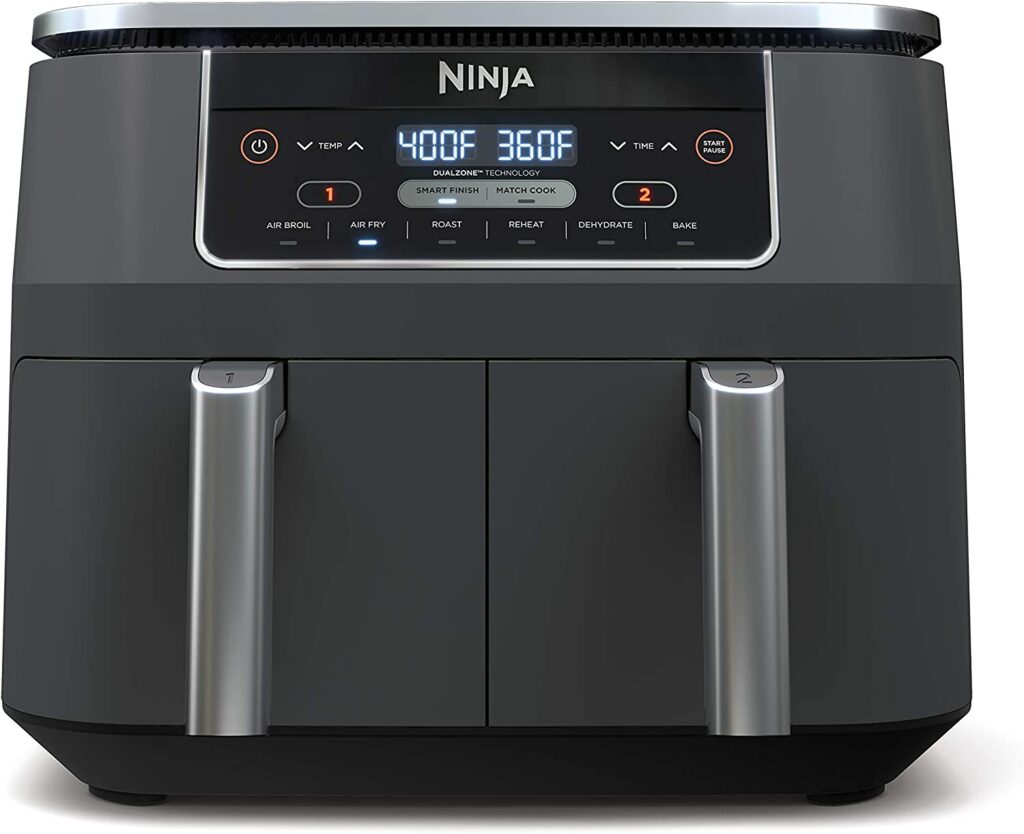
The art of poaching an egg is one of the most delicate and satisfying culinary skills a home cook can master. Traditionally done in simmering water, poached eggs boast a perfectly tender white encasing a luscious, runny yolk. While the conventional method requires careful attention and timing, modern kitchen appliances like air fryers have revolutionized the process, offering a hands-off approach that can yield surprisingly consistent results. Cooking poached eggs in an air fryer may sound unconventional, but with the right temperature, timing, and technique, it is entirely possible to achieve a creamy, restaurant-quality poached egg without standing over a pot of simmering water.
Unlike boiling or steaming, air frying relies on circulating hot air to cook food evenly. This method provides a unique advantage for poached eggs: a consistent, controlled heat source that gently sets the egg white while preserving the yolk’s creamy texture. However, achieving perfection requires precision in temperature, timing, and the vessel you use to contain the egg, making understanding these elements essential.
Optimal Air Fryer Temperature To Cook Poached Egg In Air Fryer
Temperature control is the cornerstone of air fryer poaching. Too high, and the egg white becomes rubbery before the yolk warms; too low, and the egg may fail to set properly. Through experimentation and consensus among culinary enthusiasts, a temperature range of 270°F to 300°F (130°C to 150°C) is generally optimal. This range is low enough to gently cook the egg without overcooking the yolk yet sufficient to allow the white to firm up evenly.
Using a lower temperature preserves the delicate texture of the yolk, which is crucial for a true poached experience. Some advanced air fryers with precise temperature controls allow for adjustments in increments of 5°F (3°C), which can make a significant difference in texture, especially for those who prefer a slightly more or less runny yolk.
How Long To Cook Poached Egg In Air Fryer
Cooking time in an air fryer varies depending on the size of the egg and the vessel used. On average, 6 to 8 minutes at the optimal temperature will yield a soft, poached egg.
- 6 minutes: The yolk is very runny, and the whites are just set. Ideal for serving on toast or salads.
- 7 minutes: Whites are fully set with a yolk that is creamy but slightly thickened.
- 8 minutes: Whites are firm, and yolk is mostly set, perfect for a less runny option.
Timing is affected by factors such as air fryer brand, size, and whether you are cooking multiple eggs simultaneously. Always start checking at the lower end of the time spectrum to avoid overcooking.
How To Tell If It Is Done
Unlike traditional poaching, where you can gauge doneness visually in simmering water, air-fried eggs require a slightly different approach:
- Visual cues: Whites should be opaque, firm, and just beginning to pull away from the edges of the vessel.
- Yolk check: The yolk should jiggle slightly when gently nudged with a spoon or fork. Too firm means overcooked; too liquid indicates more time is needed.
- Optional spoon test: Insert the tip of a spoon into the egg; the white should feel set but tender, and the yolk should resist slightly.
Ingredients Needed
The simplicity of poached eggs means the ingredient list is minimal:
- 1 large egg (or more if cooking multiple)
- Nonstick cooking spray or a small amount of butter/oil (to coat the ramekin or vessel)
- Water (optional, to create a slightly steamed effect inside the vessel)
- Salt and pepper for seasoning (optional)
Optional add-ins for flavor: a dash of vinegar (to help whites set) or fresh herbs for garnish.
How To Cook Poached Egg In Air Fryer
- Prepare the vessel: Use a small, heatproof ramekin, silicone cup, or small oven-safe bowl. Lightly coat with cooking spray or butter to prevent sticking.
- Add egg: Crack the egg into the prepared vessel. Optionally, add a teaspoon of water to the egg to encourage gentle steaming, which helps the whites set evenly.
- Preheat air fryer: Set the air fryer to 275°F (135°C). Preheating ensures the egg begins cooking immediately, preventing uneven texture.
- Cook: Place the ramekin in the basket and air fry for 6-8 minutes.
- Check doneness: Use visual cues and gentle nudges to determine if the egg has reached your preferred consistency.
- Remove and serve: Carefully lift the ramekin using tongs or an oven mitt. Slide the poached egg onto toast, salad, or your favorite dish.
What If I Use A Different Air Fryer Temperature?
Adjusting the temperature affects the texture dramatically:
- Higher temperatures (320°F/160°C+): Whites may cook too quickly, becoming rubbery, while yolks remain undercooked. The egg could also expand unevenly.
- Lower temperatures (below 250°F/120°C): Whites may remain partially uncooked after 8 minutes, requiring longer cooking times and producing inconsistent results.
Temperature experimentation can work if you prefer firmer whites or yolks, but it is generally safer to stick within the 270-300°F range.
What If I Use A Different Air Fryer Cooking Time?
Cooking time adjustments will primarily affect yolk consistency:
- Shorter time (<6 minutes): Whites may be too runny and yolks extremely liquid.
- Longer time (>8 minutes): Whites become firm, and yolks may start to resemble hard-boiled eggs.
Always check eggs a minute or two before the recommended cooking time when experimenting. Air fryers vary widely in heat circulation and efficiency.
When Things Go Wrong
Even with careful technique, air-fried poached eggs can sometimes misbehave:
- Rubbery whites: Often due to high temperature or overcooking. Reduce temperature or shorten cooking time next attempt.
- Undercooked whites: Usually caused by insufficient cooking time or a low air fryer temperature. Consider preheating the air fryer or slightly increasing time.
- Broken yolk: Handle carefully when transferring from ramekin; use a spoon to gently lift the egg.
Learning from small errors is part of mastering this technique. Keep notes on your specific air fryer model for consistent results.
Expert Tips
- Use silicone cups or ramekins for even cooking and easy removal.
- Lightly cover with foil if the top of the egg sets too quickly and you want a softer finish.
- Experiment with water: A teaspoon in the ramekin can mimic traditional poaching steam, leading to creamier whites.
- Season after cooking: Salt can break down egg whites if added too early.
- Air fryer placement: Keep eggs in the center of the basket for even airflow and uniform cooking.
FAQs
Can I Cook A Poached Egg In An Air Fryer?
Yes, you can cook a poached egg in an air fryer by using a small, heatproof container or silicone mold to hold the egg. The air fryer provides consistent heat that can cook the egg evenly while keeping the yolk soft and the white set.
What Is The Ideal Temperature To Poach An Egg In An Air Fryer?
The ideal temperature for poaching an egg in an air fryer is around 160°C to 170°C (320°F to 340°F). This range ensures that the egg cooks gently without overcooking the yolk or causing the white to become rubbery.
How Long Should I Cook A Poached Egg In An Air Fryer?
Cooking times can vary depending on the air fryer model, but generally, a poached egg takes between 6 to 10 minutes. For a runny yolk, aim for 6-7 minutes, and for a slightly firmer yolk, cook for 8-10 minutes.
Do I Need To Add Water When Poaching An Egg In An Air Fryer?
Yes, adding a small amount of water (about 1-2 tablespoons) to the container with the egg helps create steam, which prevents the egg from drying out and ensures an even poach.
Should I Use Any Special Containers To Poach Eggs In An Air Fryer?
It is recommended to use small, heatproof containers such as silicone molds, ramekins, or custard cups. These containers keep the egg contained and make it easier to remove after cooking.
Can I Cook Multiple Poached Eggs At The Same Time In An Air Fryer?
Yes, you can cook multiple eggs simultaneously, but each egg should be in its own container to prevent them from merging. Make sure the containers fit in a single layer without blocking airflow for even cooking.
How Can I Tell When A Poached Egg Is Done In An Air Fryer?
A poached egg is done when the white is fully set and opaque, and the yolk has reached your desired consistency. You can gently shake the container or touch the white to test firmness. If the yolk is too runny, cook for an additional minute or two.