
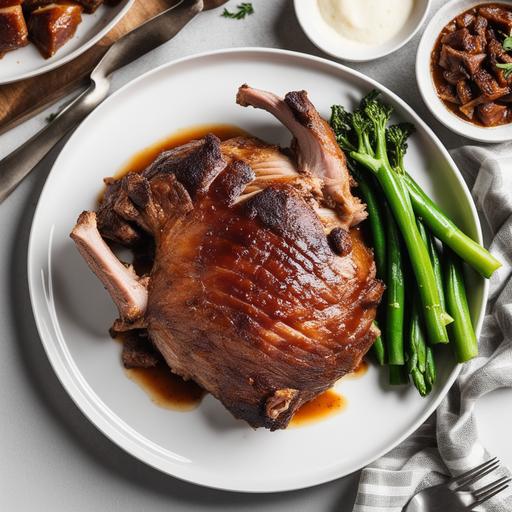
How To Cook Pork Shoulder In Air Fryer [FULL GUIDE]
Recommended Equipments:
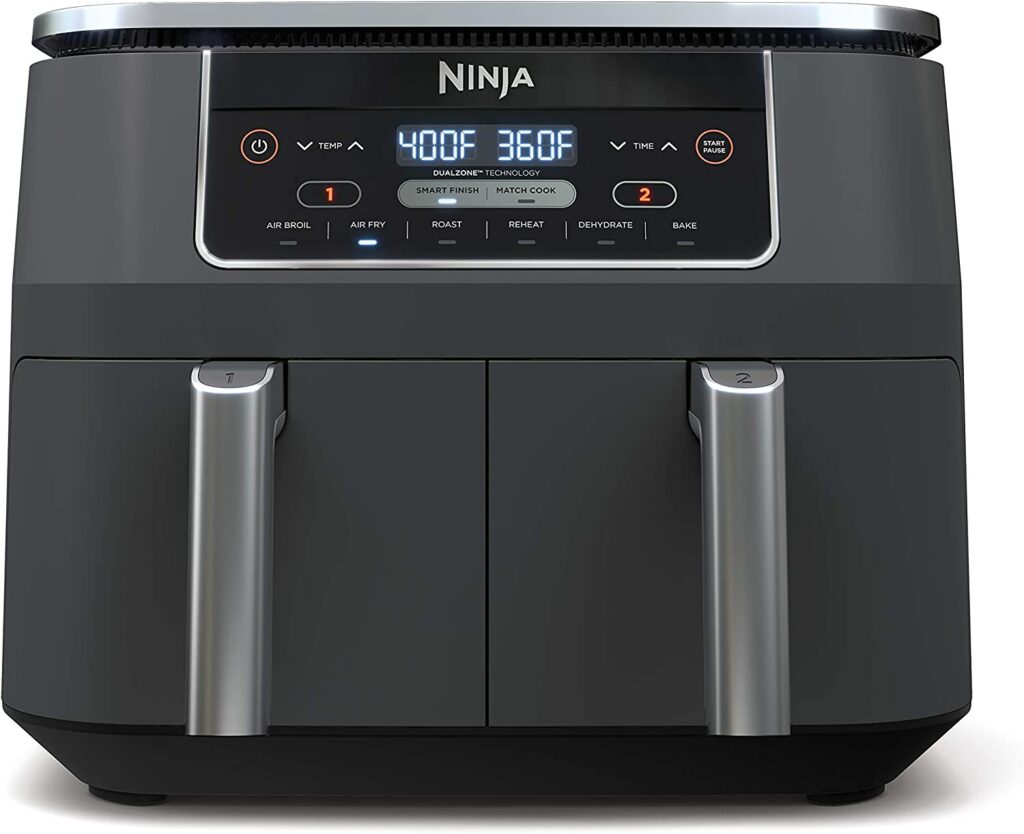
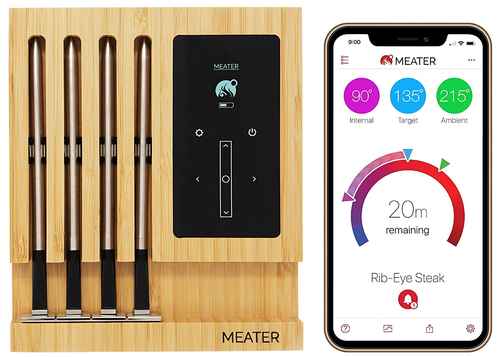
Pork shoulder is a rich, flavorful cut of meat prized for its marbling and tenderness when cooked properly. Traditionally, it has been slow-cooked or roasted to break down the connective tissue, yielding a melt-in-your-mouth experience. However, modern kitchen innovations, particularly the air fryer, have revolutionized how we approach this culinary staple. The air fryer’s rapid circulation of hot air allows for even cooking and a deliciously crispy exterior without excessive oil, offering both convenience and superior flavor. Cooking pork shoulder in an air fryer may seem intimidating due to its size and fat content, but with precise temperatures, timing, and preparation, the result can rival traditional methods, delivering juicy, succulent meat with minimal hassle.
Optimal Air Fryer Temperature To Cook Pork Shoulder In Air Fryer
The temperature at which you cook pork shoulder in an air fryer is crucial to balancing tenderness with exterior crispiness. For most air fryers, a temperature range of 325°F to 375°F (163°C to 190°C) is optimal.
- Lower end (325°F / 163°C): This allows the fat to render slowly, keeping the meat juicy and tender, similar to slow roasting.
- Mid-range (350°F / 177°C): A great balance between cooking speed and tenderness. The surface begins to crisp without drying out the interior.
- Higher end (375°F / 190°C): Ideal if you want a more pronounced crust or bark on the pork shoulder. Be cautious, as higher heat can cause the exterior to brown too quickly while leaving the interior undercooked if the piece is thick.
Temperature precision is key because pork shoulder is dense and marbled. Too high, and the exterior may burn; too low, and the meat will take excessively long to cook.
How Long To Cook Pork Shoulder In Air Fryer
Cooking time varies depending on the weight and thickness of the pork shoulder, as well as your desired level of tenderness. As a general guideline:
- Small pork shoulder (2-3 pounds / 0.9-1.4 kg): 60-75 minutes at 350°F (177°C).
- Medium pork shoulder (3-5 pounds / 1.4-2.3 kg): 75-90 minutes at 350°F (177°C).
- Large pork shoulder (5+ pounds / 2.3 kg+): It may require 90-120 minutes at 325-350°F (163-177°C), turning halfway through to ensure even cooking.
Always remember that air fryer models vary in efficiency. Some circulate air more aggressively, shortening cooking times, while others may require a few extra minutes.
How To Tell If It Is Done
The most reliable method to determine doneness is an instant-read meat thermometer. Pork shoulder should reach an internal temperature of:
- 145°F (63°C) for medium doneness (safe to eat but slightly firmer).
- 190-205°F (88-96°C) if you want pulled pork texture, where the meat is tender enough to shred effortlessly.
Visual and tactile cues also help:
- The meat should have a golden-brown crust.
- Juices running from the meat should be clear rather than pink.
- When gently pulled apart with a fork, the muscle fibers should separate easily if cooked to the pulled-pork stage.
Ingredients Needed
For a basic yet flavorful air-fried pork shoulder, you will need:
- Pork shoulder: 2-5 pounds, boneless or bone-in depending on preference.
- Olive oil or cooking spray: Helps in browning and crisping.
- Salt and pepper: Basic seasoning for flavor enhancement.
- Optional spices and herbs: Garlic powder, onion powder, smoked paprika, cumin, thyme, or rosemary.
- Optional glaze or sauce: Barbecue sauce, honey mustard, or a dry rub for extra flavor.
How To Cook Pork Shoulder In Air Fryer
- Prepare the pork shoulder: Trim excess fat if desired, and pat the meat dry. Rub with olive oil and season generously with salt, pepper, and your choice of spices.
- Preheat the air fryer: Set the air fryer to 350°F (177°C) for even cooking.
- Place the pork shoulder in the basket: Ensure there is space around the meat for proper air circulation.
- Cook in intervals: Cook for 30-40 minutes, then check and turn the meat. Continue cooking in 15-20 minute intervals until the desired internal temperature is reached.
- Optional glaze application: If using a glaze or sauce, brush it on during the last 10-15 minutes of cooking for caramelization.
- Rest the meat: Remove from the air fryer and let it rest for 10-15 minutes before slicing or shredding. This redistributes juices and improves tenderness.
What If I Use A Different Air Fryer Temperature?
Adjusting temperature affects both texture and cooking time:
- Higher temperature (>375°F / 190°C): Faster cooking and crispier exterior, but higher risk of drying out the interior. Reduce cooking time by 10-15 minutes per pound and monitor closely.
- Lower temperature (<325°F / 163°C): Slower, gentler cooking that promotes tenderness and fat rendering. Increase cooking time by 15-30 minutes per pound.
What If I Use A Different Air Fryer Cooking Time?
Modifying time without adjusting temperature can alter texture significantly:
- Shorter cooking time: The exterior may brown, but the interior could remain undercooked and chewy.
- Longer cooking time: Can lead to overcooked, dry meat unless the temperature is reduced, which allows slow rendering of fat and connective tissue.
Always use a meat thermometer to ensure safety and proper doneness.
When Things Go Wrong
Even with careful preparation, mistakes can happen:
- Dry meat: Often caused by high temperature or overcooking. Solution: wrap in foil and allow it to rest to retain some moisture.
- Undercooked center: Increase cooking time gradually, checking with a thermometer. Cutting the pork into smaller chunks can also help even cooking.
- Uneven browning: Rotate or flip the pork halfway through cooking. Some air fryers require manually adjusting baskets for even heat distribution.
Expert Tips
- Score the fat cap: This allows seasoning to penetrate and fat to render more efficiently.
- Marinate ahead: Even a few hours in a spice rub or marinade can enhance flavor.
- Avoid overcrowding: Air circulation is key; cook in batches if necessary.
- Resting is essential: Don’t skip this step; it ensures juiciness and better slicing.
- Use foil for larger pieces: If the shoulder is too large, wrapping it loosely can prevent the exterior from over-browning while the interior reaches safe temperatures.
FAQs
What Size Pork Shoulder Is Suitable For An Air Fryer?
Most standard air fryers can accommodate pork shoulders weighing between 2 to 4 pounds. Larger cuts may not cook evenly, so it’s recommended to either cut the pork shoulder into smaller pieces or use a larger-capacity air fryer if available.
Do I Need To Marinate The Pork Shoulder Before Air Frying?
Marinating is optional but highly recommended. A marinade helps tenderize the meat and enhances flavor. Common ingredients include olive oil, garlic, herbs, spices, and acidic components like vinegar or citrus juice. Marinate for at least 2 hours, or preferably overnight, for best results.
At What Temperature Should I Cook Pork Shoulder In An Air Fryer?
Cook pork shoulder at 360°F (182°C) for even cooking. Some recipes suggest starting at a higher temperature (400°F/204°C) for the first 10 minutes to develop a crust, then lowering to 360°F for the remaining cooking time. Adjustments may be necessary depending on the thickness of the cut.
How Long Does It Take To Cook Pork Shoulder In An Air Fryer?
Cooking time varies depending on the size of the pork shoulder. Generally, it takes about 25 to 30 minutes per pound. Smaller cuts may cook in under an hour, while a 4-pound shoulder can take 1.5 to 2 hours. Always use a meat thermometer to ensure the internal temperature reaches 195°F-205°F (90°C-96°C) for tender, pull-apart meat.
Should I Cover The Pork Shoulder While Air Frying?
Covering is not necessary. Air fryers circulate hot air around the meat, which allows it to develop a crispy outer crust without a cover. Covering could trap moisture and reduce the crispiness. However, if the pork starts to brown too quickly, loosely tenting with aluminum foil can prevent burning.
Do I Need To Flip Or Rotate The Pork Shoulder During Cooking?
Yes. Flipping or rotating the pork shoulder halfway through cooking ensures even browning and prevents uneven cooking. If the cut is particularly thick, check periodically and rotate to allow all sides to receive adequate heat.
How Do I Rest And Serve Pork Shoulder After Air Frying?
After cooking, let the pork shoulder rest for 10-15 minutes. This allows the juices to redistribute and prevents the meat from drying out. Slice or shred the pork as desired. Serve with your choice of sides, sauces, or as a filling for sandwiches and tacos.