
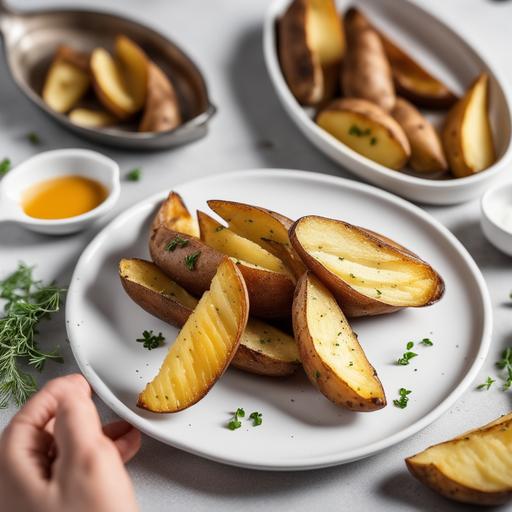
How To Cook Potato Wedges In Air Fryer [FULL GUIDE]
Recommended Equipments:
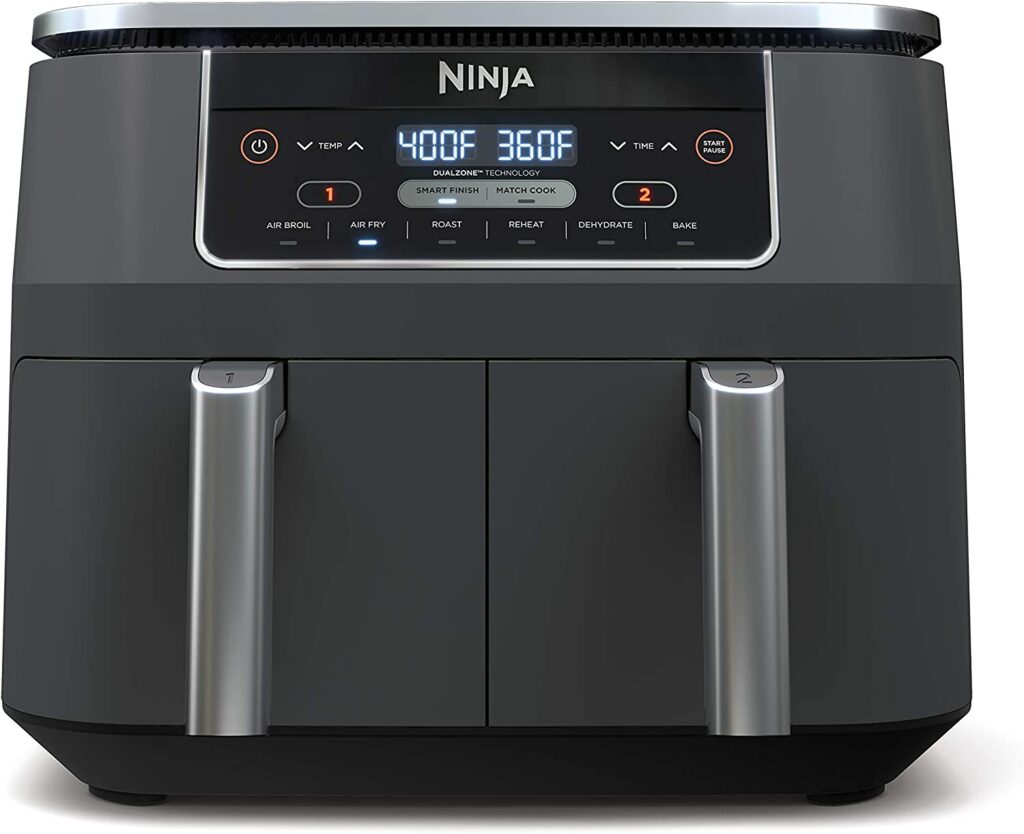
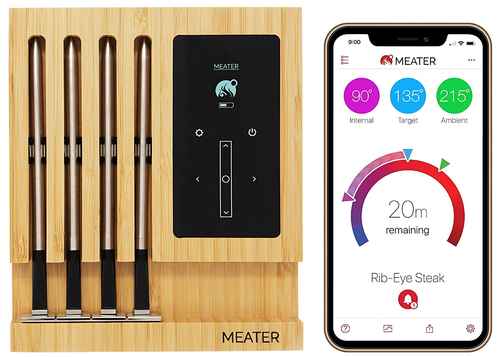
Potato wedges are a classic comfort food, offering a perfect combination of crispy exteriors and soft, fluffy interiors. While traditionally baked or deep-fried, air frying has revolutionized the way we cook them, providing the same satisfying crunch with significantly less oil. Air fryers circulate hot air rapidly around the food, creating a Maillard reaction that browns and crisps the surface while locking in moisture inside. This method not only reduces fat content but also saves time and cleanup effort. Whether you’re cooking for a quick snack, a side dish, or a healthy alternative to fries, air-fried potato wedges can deliver that perfect balance of taste and texture every time-if done correctly.
Optimal Air Fryer Temperature To Cook Potato Wedges In Air Fryer
Temperature control is essential to achieving the perfect potato wedge. Too low, and your wedges become soft and pale; too high, and they risk burning outside while remaining undercooked inside. The sweet spot for most air fryers is between 380°F and 400°F (193°C-204°C).
- 380°F (193°C): Ideal for thicker wedges or frozen varieties; ensures even cooking without excessive browning.
- 400°F (204°C): Best for thinner wedges or when aiming for maximum crispiness; requires close attention to avoid over-browning.
Some air fryers run hotter or cooler than their settings indicate, so preheating and observing early batches is recommended. Preheating for 3-5 minutes ensures the wedges start cooking immediately at the correct temperature, helping achieve that crisp exterior.
How Long To Cook Potato Wedges In Air Fryer
Cooking time depends on the thickness of the wedges, whether they are fresh or frozen, and the desired crispiness:
- Fresh, medium-thick wedges: 18-22 minutes
- Thicker wedges: 22-25 minutes
- Frozen wedges: 15-20 minutes
Halfway through cooking, it’s essential to shake or flip the wedges. This promotes even browning and prevents soggy spots. Overcrowding the basket slows air circulation, so it’s better to cook in batches for optimal results.
How To Tell If It Is Done
The perfect wedge should be golden brown on the outside and tender on the inside. Here’s how to confirm:
- Visual cues: The surface should be golden and slightly crispy. Edges may appear slightly darker, which is normal.
- Texture test: Press a wedge gently with a fork; it should pierce easily without collapsing.
- Taste test: Take a small bite-crispy exterior with a soft, creamy interior is the hallmark of perfect wedges.
If wedges appear browned but feel hard or raw inside, they need more time at a slightly lower temperature to cook through without burning.
Ingredients Needed
For a basic, flavorful batch, you’ll need:
- 3-4 medium russet potatoes (or Yukon Gold for creamier texture)
- 1-2 tablespoons olive oil (or any neutral oil)
- 1 teaspoon salt
- ½ teaspoon black pepper
- ½ teaspoon paprika (optional, for smokiness)
- ½ teaspoon garlic powder (optional)
- Fresh herbs like rosemary or thyme (optional, for garnish)
You can also experiment with Cajun seasoning, chili powder, or Parmesan cheese for extra flavor.
How To Cook Potato Wedges In Air Fryer
- Prep the potatoes: Wash thoroughly, peel if desired, and cut into even wedges. Consistency ensures even cooking.
- Season: Toss wedges in olive oil, salt, pepper, and any additional spices. Ensure all wedges are lightly coated.
- Preheat air fryer: Set to 380-400°F (193-204°C) and let it run for 3-5 minutes.
- Arrange in basket: Place wedges in a single layer; avoid overcrowding.
- Cook: Air fry for 18-25 minutes, shaking or flipping halfway through.
- Check for doneness: Use visual and texture cues; cook longer if necessary.
- Serve immediately: Enjoy while hot, optionally garnished with herbs or a dipping sauce.
What If I Use A Different Air Fryer Temperature?
- Lower temperature (350°F / 177°C): Wedges cook more slowly, resulting in softer texture and lighter color. Increase cooking time by 5-10 minutes.
- Higher temperature (420°F / 216°C): Exterior browns quickly; risk of burnt crust before interior is cooked. Reduce cooking time and monitor closely.
Adjusting temperature requires a balance between browning and internal softness-small deviations can affect texture noticeably.
What If I Use A Different Air Fryer Cooking Time?
- Shorter time: Wedges may be undercooked, soft, or raw in the center. Always test doneness with a fork or bite.
- Longer time: Overcooked wedges can become dry and excessively dark, losing their fluffy interior.
Time adjustments should also account for wedge thickness and whether you preheated your air fryer.
When Things Go Wrong
Common issues and solutions:
- Soggy wedges: Often caused by overcrowding, insufficient oil, or low temperature. Cook in batches and toss with a little more oil.
- Burnt exterior, raw interior: Air fryer too hot or wedges too thick. Reduce temperature slightly and extend cooking time.
- Uneven cooking: Flip or shake wedges halfway through, and ensure uniform thickness.
Small tweaks in temperature, time, or spacing usually resolve these problems.
Expert Tips
- Soak potatoes in water for 30 minutes to remove excess starch; this increases crispiness.
- Pat dry before seasoning to prevent sogginess.
- Use a high-smoke-point oil like avocado or grapeseed oil for better browning.
- Shake the basket every 7-10 minutes for even crisping.
- Serve immediately; wedges lose crispiness if left sitting.
FAQs
What Type Of Potatoes Are Best For Making Potato Wedges In An Air Fryer?
Russet or Yukon Gold potatoes are ideal for air-fried wedges because they have a starchy texture that crisps well on the outside while remaining soft inside. Waxy potatoes can also be used but may result in a less crispy texture.
Do I Need To Soak The Potato Wedges Before Air Frying?
Yes, soaking the wedges in cold water for at least 30 minutes helps remove excess starch, which prevents them from sticking together and improves crispiness. After soaking, make sure to pat them dry thoroughly before seasoning and cooking.
What Temperature And Cooking Time Are Recommended For Air Fryer Potato Wedges?
A common guideline is to cook potato wedges at 400°F (200°C) for 18-25 minutes, shaking or turning them halfway through. Cooking time may vary depending on wedge thickness and air fryer model, so it’s important to check for a golden-brown, crispy exterior.
Should I Use Oil On The Potato Wedges?
Yes, lightly coating the wedges with 1-2 teaspoons of oil per 2-3 potatoes helps them crisp evenly and enhances flavor. You can use olive oil, avocado oil, or any neutral cooking oil. Avoid excessive oil to maintain a healthier result.
Can I Season The Potato Wedges Before Air Frying?
Absolutely. Seasoning before cooking allows flavors to adhere better. Common options include salt, pepper, garlic powder, paprika, onion powder, or dried herbs. For a stronger flavor, you can also toss wedges in a small amount of seasoning paste or spice mix.
Do I Need To Shake The Air Fryer Basket During Cooking?
Yes, shaking or turning the wedges halfway through ensures even cooking and browning on all sides. This prevents some wedges from becoming soggy or undercooked while others get too dark.
How Can I Make The Potato Wedges Extra Crispy?
To achieve maximum crispiness, make sure the wedges are evenly cut, soaked, and fully dried before air frying. Use a light coating of oil, avoid overcrowding the basket, and consider finishing with a 2-3 minute blast at the highest temperature to get a golden, crunchy exterior.