
How To Cook Pumpkin Seeds In Air Fryer [FULL GUIDE]
Recommended Equipments:
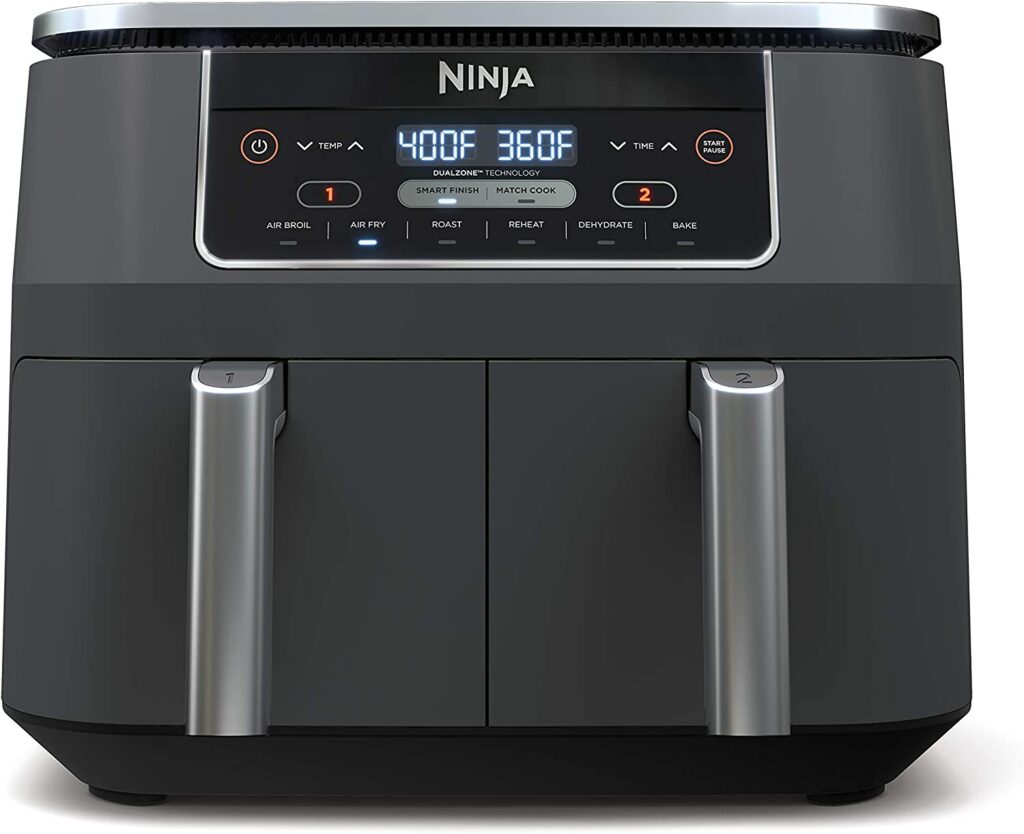
Roasting pumpkin seeds is a time-honored autumn ritual, turning what is often discarded into a delicious, crunchy snack packed with nutrients. While traditional oven roasting has its merits, the air fryer has emerged as a game-changer, offering a quicker, more energy-efficient method while still delivering that perfectly crisp texture. Air fryers circulate hot air rapidly around the seeds, ensuring even cooking and reducing the likelihood of burnt or unevenly roasted seeds. Beyond convenience, air-fried pumpkin seeds retain a rich, nutty flavor that makes them ideal for snacking, topping salads, or even enhancing your favorite soups. In this guide, we’ll delve deep into the optimal methods, times, and temperatures to achieve perfectly roasted pumpkin seeds, along with troubleshooting tips and expert advice.
Optimal Air Fryer Temperature To Cook Pumpkin Seeds In Air Fryer
Temperature is the cornerstone of achieving perfectly roasted pumpkin seeds. Most experts agree that an air fryer temperature between 325°F to 350°F (163°C to 177°C) is ideal. Temperatures below this range may result in seeds that are dry or chewy, lacking the crisp exterior that makes them enjoyable. Conversely, temperatures above 375°F (190°C) can cause the seeds to burn quickly, leading to an unpleasant bitter taste.
The sweet spot around 325-350°F allows the natural oils in pumpkin seeds to render slowly, enhancing their flavor while creating a satisfyingly crunchy texture. Some air fryers may run hotter or cooler than their set temperature, so it’s important to monitor the seeds closely, especially during the first few batches, to adjust timing or temperature as needed.
How Long To Cook Pumpkin Seeds In Air Fryer
Cooking time varies depending on the seed size, whether they are raw or pre-soaked, and your air fryer model. Generally, 12-15 minutes is sufficient for small to medium seeds at the optimal temperature.
- Small seeds: Around 12 minutes
- Medium seeds: 13-15 minutes
- Larger seeds: 15-18 minutes
It is essential to shake the basket halfway through to ensure even cooking. Air fryer cooking is faster than conventional roasting, so seeds can go from perfectly roasted to burnt in just a couple of minutes if not monitored carefully.
How To Tell If It Is Done
Determining doneness requires a combination of visual cues, texture, and taste:
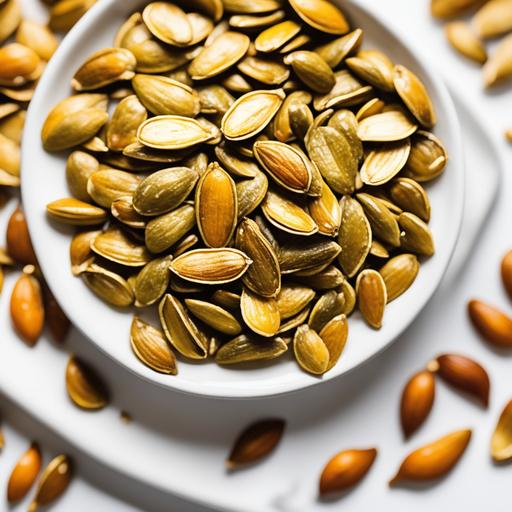
- Color: Seeds should turn a golden brown, not dark brown or black.
- Texture: The outer shell should be firm and crunchy when pressed between fingers.
- Sound: A slight crunch when tapped against a hard surface can indicate they are done.
- Taste: Take a small bite to ensure the flavor is nutty and toasted without any raw or burnt taste.
Overcooked seeds may be brittle and taste bitter, while undercooked seeds can be soft and lack flavor.
Ingredients Needed
To prepare air-fried pumpkin seeds, you’ll need:
- Raw pumpkin seeds (cleaned and patted dry) – about 1 cup
- Olive oil or another neutral oil – 1-2 teaspoons
- Salt – ½ teaspoon or to taste
- Optional seasonings: garlic powder, smoked paprika, cinnamon, cayenne pepper, or your favorite herbs and spices
The beauty of air frying is that it requires minimal oil, letting the natural flavor of the seeds shine while still achieving crispiness.
How To Cook Pumpkin Seeds In Air Fryer
- Preheat your air fryer to 325-350°F (163-177°C).
- Prepare the seeds: Wash, clean, and dry them thoroughly. Removing moisture is critical for crispiness.
- Season the seeds: Toss the dry seeds with olive oil and salt, along with any optional seasonings.
- Arrange in the air fryer basket: Spread seeds in a single layer to avoid overcrowding. This ensures even cooking.
- Cook for 12-15 minutes: Shake the basket halfway through to promote uniform roasting.
- Check doneness: Look for golden brown seeds with a firm crunch. If needed, cook an additional 1-2 minutes, watching closely.
- Cool before storing: Let the seeds cool completely to achieve maximum crunch and prevent sogginess.
What If I Use A Different Air Fryer Temperature?
Adjusting the temperature significantly impacts cooking outcomes:
- Lower temperature (300°F / 149°C): Seeds may take longer (15-20 minutes) and could turn out slightly softer. This is ideal if you want a slower, more controlled roast.
- Higher temperature (375°F / 190°C or above): Seeds cook faster, usually 8-10 minutes, but the risk of burning increases. You must check frequently and shake more often to prevent hot spots.
What If I Use A Different Air Fryer Cooking Time?
Time adjustments also require caution:
- Shorter time: Seeds may remain chewy and undercooked; texture will lack crispiness.
- Longer time: Seeds may overcook, turn bitter, or even burn. Always shake or stir at regular intervals if extending the time beyond the recommended window.
Consistency comes from balancing time and temperature appropriately.
When Things Go Wrong
Even in the best setups, mistakes happen:
- Seeds are burnt: Reduce the temperature by 10-20°F next time and check at shorter intervals.
- Seeds are soggy: Ensure seeds are thoroughly dried before cooking, and avoid overcrowding the basket.
- Uneven cooking: Shake the basket every 5-7 minutes to prevent hotspots.
With careful observation, these common pitfalls are easy to avoid.
Expert Tips
- Dry seeds thoroughly: Moisture is the main culprit for soggy seeds. Pat them completely dry with a towel.
- Batch cooking: Air fry in small batches to ensure even roasting.
- Experiment with flavors: Toss seeds in sweet or savory spice blends after air frying for additional flavor.
- Storage: Store fully cooled seeds in an airtight container for up to 2 weeks.
FAQs
Do I Need To Rinse Pumpkin Seeds Before Air Frying?
Yes, it is recommended to rinse pumpkin seeds thoroughly to remove any pumpkin pulp or strings. After rinsing, pat them dry completely with a paper towel to ensure they crisp up properly in the air fryer.
Should I Season Pumpkin Seeds Before Air Frying?
Seasoning is optional but highly recommended. You can toss the seeds with a small amount of oil and seasonings such as salt, pepper, paprika, garlic powder, or cinnamon before air frying. This enhances flavor and helps the seeds brown evenly.
What Temperature Should I Set The Air Fryer For Pumpkin Seeds?
The ideal temperature for air frying pumpkin seeds is between 325°F to 350°F (160°C to 175°C). Cooking at this temperature ensures the seeds become crispy without burning.
How Long Does It Take To Cook Pumpkin Seeds In An Air Fryer?
Pumpkin seeds typically take 10 to 15 minutes to cook in an air fryer. It’s important to shake the basket or stir the seeds every 5 minutes to promote even cooking and prevent burning.
How Can I Tell When Pumpkin Seeds Are Done In The Air Fryer?
Pumpkin seeds are done when they turn golden brown and have a crispy texture. You can test by biting into a seed-it should have a satisfying crunch. Keep in mind that seeds continue to crisp slightly as they cool.
Can I Store Air-fried Pumpkin Seeds, And For How Long?
Yes, air-fried pumpkin seeds can be stored in an airtight container at room temperature for up to 2 weeks. For longer storage, refrigerate them for up to a month or freeze them for up to 3 months.
Are There Any Tips For Making Pumpkin Seeds Extra Crispy In An Air Fryer?
To achieve extra crispy seeds, ensure they are completely dry before air frying and avoid overcrowding the basket. Lightly coat them in oil, shake the basket periodically, and cook at the recommended temperature for even browning.