
How To Cook Rice In Air Fryer [FULL GUIDE]
Recommended Equipments:
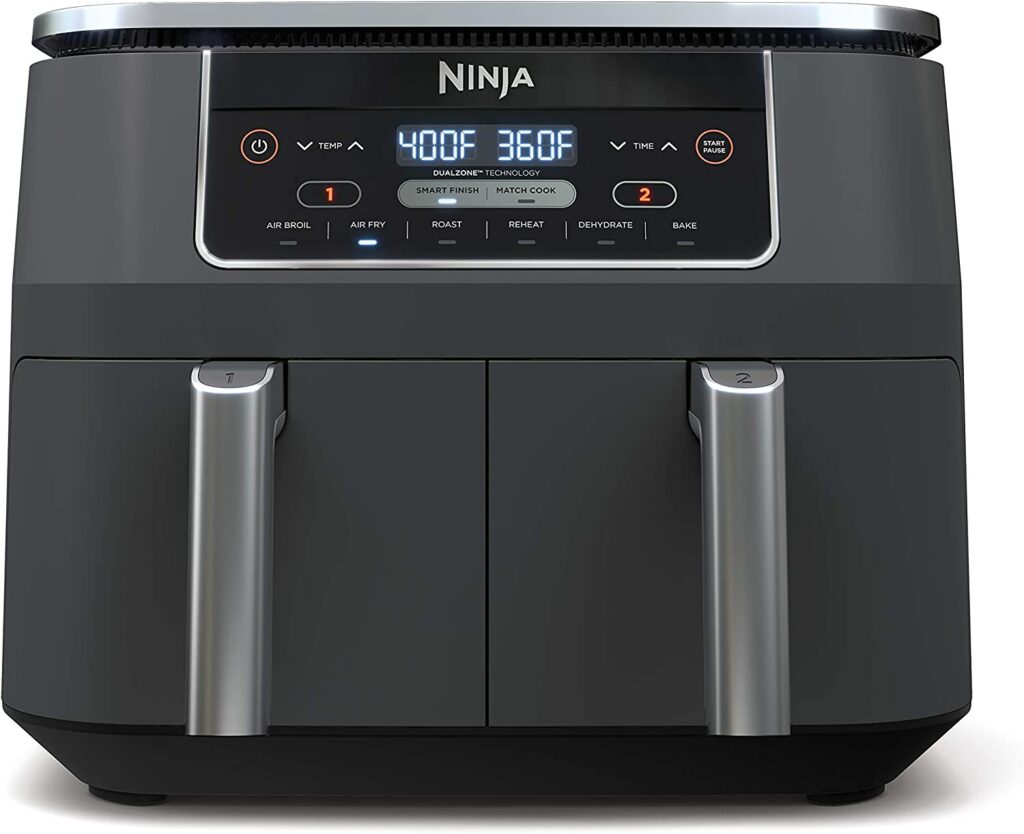
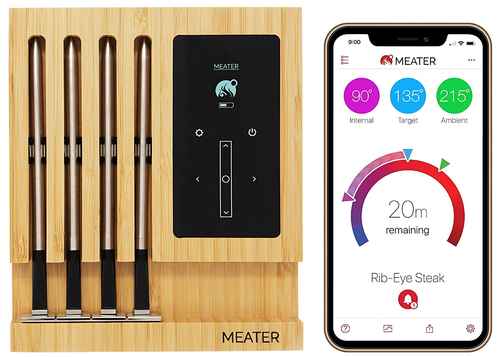
Rice is one of the most universally cherished staples, forming the foundation of countless cuisines across the globe. Traditionally, rice is boiled or steamed, requiring either a stovetop pot, rice cooker, or an elaborate steaming setup. But in recent years, air fryers-renowned for their speed, convenience, and ability to deliver crispy textures-have been increasingly explored for unconventional cooking methods, including rice preparation. Cooking rice in an air fryer might sound unconventional, but it is entirely feasible when you understand the nuances of temperature control, cooking time, and moisture management. This guide delves deep into the art and science of air fryer rice cooking, offering detailed instructions and expert insights to ensure perfect results every time.
Optimal Air Fryer Temperature To Cook Rice In Air Fryer
Temperature is one of the most critical factors in cooking rice properly. Unlike boiling on a stove, the air fryer uses circulating hot air, which can dry out grains if not managed carefully. For optimal results, a moderate, consistent heat is key.
- Recommended temperature: 320°F to 350°F (160°C to 175°C)
- Why this range works: At temperatures below 320°F, the air fryer’s heat may be insufficient to cook the rice thoroughly, resulting in partially raw or chewy grains. Temperatures above 350°F increase the risk of uneven cooking or burning, particularly if the rice absorbs water unevenly or if the container doesn’t allow for proper steam circulation.
Maintaining a steady mid-range heat ensures the water in the rice can convert to steam gradually, allowing each grain to hydrate properly and achieve a tender, fluffy consistency.
How Long To Cook Rice In Air Fryer
Cooking time for rice in an air fryer depends on several variables: the type of rice, whether it’s soaked beforehand, the container used, and the specific air fryer model.
- White rice: 25-30 minutes
- Brown rice: 35-40 minutes
- Parboiled rice: 25-35 minutes
- Soaked rice: Can reduce cooking time by 5-10 minutes
It is important to note that unlike stovetop cooking, where water absorption is directly visible, air fryer rice relies on trapped steam within a covered container. Therefore, timing must account for both the heat circulation and the container’s insulation properties.
How To Tell If It Is Done
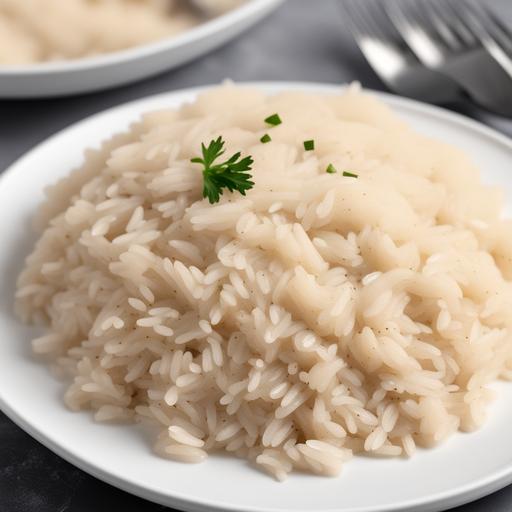
Perfectly cooked rice should be fluffy, tender, and separate easily without excess stickiness. Signs your air fryer rice is done:
- Texture: Grains should be soft yet firm, with no hard core remaining.
- Moisture: The rice should have absorbed the water completely; there should be no excess water pooling at the bottom.
- Aroma: Fully cooked rice emits a distinct, mildly nutty aroma, more pronounced with brown or parboiled varieties.
- Appearance: The grains expand, maintaining a slightly translucent look in white rice and a deeper, chewy texture in whole-grain varieties.
A quick taste test is often the most reliable method, as visual cues alone can be misleading.
Ingredients Needed
Cooking rice in an air fryer requires minimal ingredients, but precise measurements ensure consistency:
- Rice: 1 cup (white, brown, or parboiled)
- Water: 1.5 to 2 cups (adjust depending on rice type and soaking)
- Salt: ½ teaspoon (optional, adjust to taste)
- Oil or butter: 1 teaspoon (optional, improves texture and flavor)
Optional flavor enhancers: herbs, spices, or broth instead of water can elevate your rice significantly.
How To Cook Rice In Air Fryer
- Rinse the rice under cold water until the water runs clear to remove excess starch.
- Soak (optional): Soaking for 20-30 minutes can reduce cooking time and improve texture.
- Prepare container: Use an oven-safe, air fryer-compatible dish with a lid to trap steam.
- Combine ingredients: Add rice, water, salt, and optional oil or butter. Stir gently.
- Set air fryer: Preheat to 330°F (165°C).
- Cook: Place the covered container in the air fryer. Cook for 25-30 minutes for white rice, 35-40 minutes for brown rice.
- Check mid-way: Stir lightly halfway through if desired, being careful not to disturb the steam too much.
- Rest: Let the rice sit, covered, for 5-10 minutes after cooking to allow residual steam to finish the cooking process.
- Fluff: Use a fork to separate the grains before serving.
What If I Use A Different Air Fryer Temperature?
- Lower temperature (<320°F): Rice may cook unevenly or remain undercooked. Extending cooking time may help but can lead to dry, uneven grains.
- Higher temperature (>350°F): Water may evaporate too quickly, leading to hard, crunchy rice or even burnt bottom layers.
Temperature adjustments should always be paired with time adjustments to ensure proper hydration and steaming.
What If I Use A Different Air Fryer Cooking Time?
- Shorter time: Rice will likely be undercooked, hard, and chewy.
- Longer time: Risk of dry, overcooked grains or crust formation at the bottom.
- Solution: If you need to adjust timing, do so incrementally (5-minute intervals) and check the rice frequently to prevent overcooking.
When Things Go Wrong
Common issues include:
- Rice is too dry: Add 1-2 tablespoons of water and continue cooking for a few minutes.
- Rice is undercooked: Ensure the lid is secure to trap steam and extend cooking in 5-minute increments.
- Rice is mushy or sticky: Excess water or overcooking; reduce water slightly next time and monitor cooking closely.
- Uneven cooking: Stir halfway through if using a large or deep container, and make sure air circulation is not obstructed.
Expert Tips
- Use a tight-fitting lid or foil: Essential to trap steam in an air fryer, which cooks rice evenly.
- Soak rice beforehand: Helps reduce cooking time and improves fluffiness.
- Choose the right container: Shallow, wide, oven-safe dishes cook more evenly than deep, narrow ones.
- Seasoning and flavor: Adding a small amount of oil or butter helps prevent sticking and improves taste.
- Let it rest: Allowing the rice to sit after cooking completes the steam process, ensuring optimal texture.
- Experiment with water ratios: Every air fryer has subtle heat variations; small adjustments may be necessary for perfection.
FAQs
Can You Cook Rice In An Air Fryer?
Yes, rice can be cooked in an air fryer, but it requires using an air fryer-safe, covered container and precise water-to-rice ratios. The process is different from using a pot or rice cooker because the air fryer circulates hot air, which can dry out the rice if not monitored.
What Type Of Rice Works Best In An Air Fryer?
Medium- or long-grain rice, such as basmati or jasmine, generally works best because they cook evenly and absorb water consistently. Short-grain rice can also be used, but it tends to become sticky, so careful attention to water ratio and cooking time is essential.
What Is The Ideal Water-to-rice Ratio For Air Fryer Cooking?
A common starting point is 1 cup of rice to 1.25 cups of water, slightly less than stovetop or rice cooker methods, because less moisture evaporates in a covered air fryer container. Adjustments may be needed depending on rice type and air fryer model.
How Long Does It Take To Cook Rice In An Air Fryer?
Cooking time usually ranges from 20 to 30 minutes at 320-350°F (160-175°C). Parboiled or soaked rice may cook faster, while unsoaked rice may require closer to 30 minutes. Stirring midway can help prevent uneven cooking.
Do You Need To Rinse Rice Before Air Fryer Cooking?
Yes, rinsing rice helps remove excess starch and prevents clumping. It also improves the texture, resulting in fluffier rice. After rinsing, drain thoroughly before adding to the air fryer container.
Should The Air Fryer Container Be Covered When Cooking Rice?
Absolutely. Covering the container is crucial to trap steam, which cooks the rice evenly. Aluminum foil, a lid designed for the container, or an oven-safe dish cover works well. Leaving it uncovered can lead to dry or undercooked rice.
Can I Add Seasonings Or Oil When Cooking Rice In An Air Fryer?
Yes, you can add a small amount of salt, oil, or butter to enhance flavor. Herbs, spices, or broth can also be used instead of water for additional taste. However, avoid excessive oil or liquid, as the confined space of the air fryer may lead to spillage or uneven cooking.