
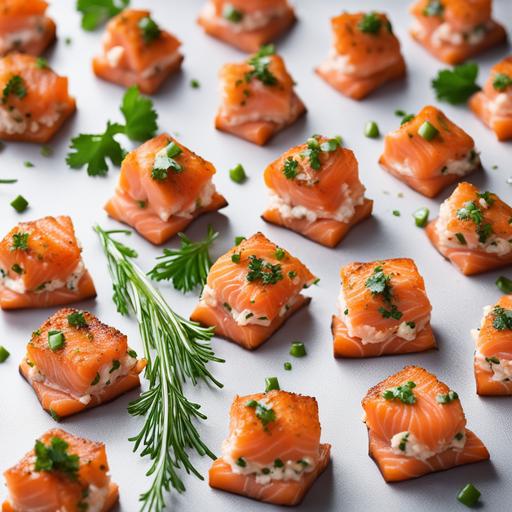
How To Cook Salmon Bites In Air Fryer [FULL GUIDE]
Recommended Equipments:
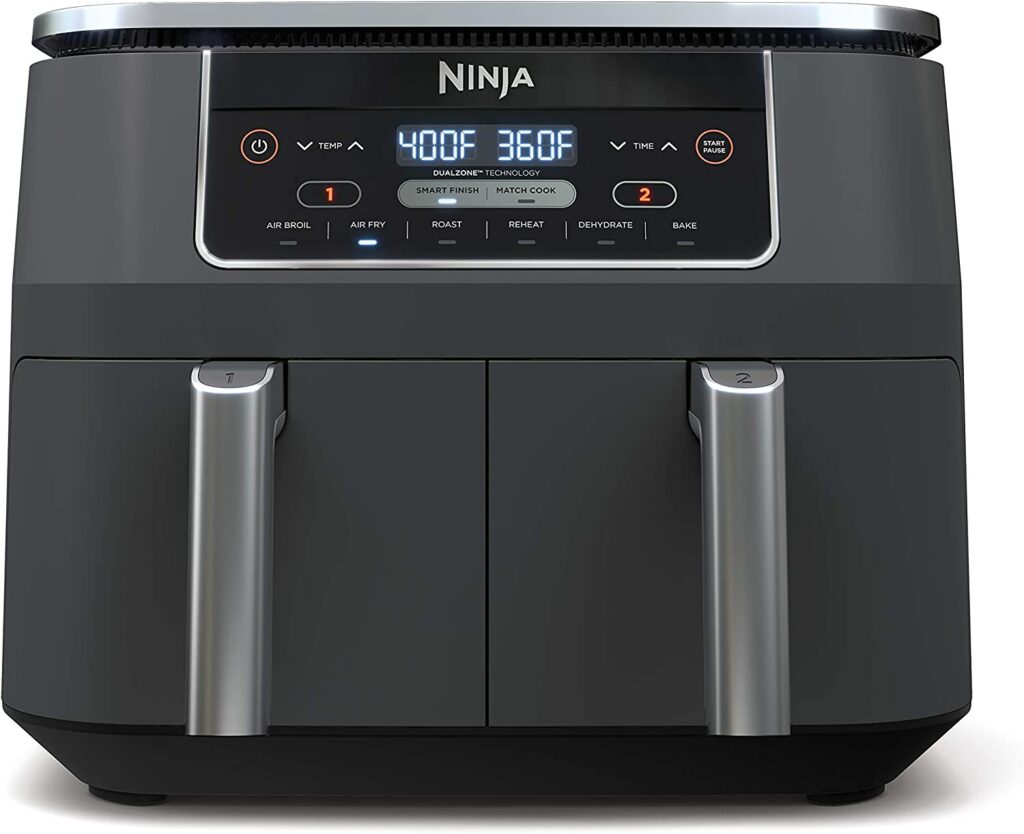
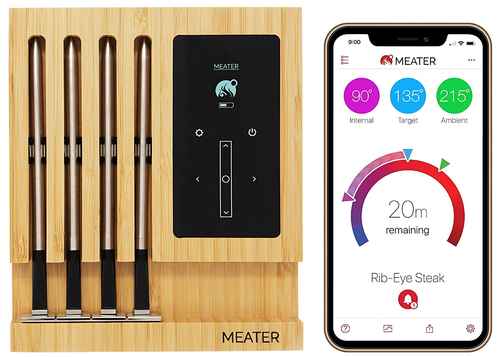
Salmon is celebrated for its delicate, buttery texture and rich flavor, as well as its impressive nutritional profile, packed with omega-3 fatty acids, high-quality protein, and essential vitamins. While it is commonly enjoyed as fillets or steaks, salmon bites-small, tender cubes of salmon-offer a versatile alternative that’s perfect for appetizers, salads, or a quick, satisfying snack. Cooking salmon bites in an air fryer is a game-changer: the appliance ensures a perfectly crisp exterior while maintaining a tender, juicy interior, all without the excess oil of traditional frying. Understanding the precise temperature, timing, and technique is essential to achieving that ideal balance, which this guide will explore in depth.
Optimal Air Fryer Temperature To Cook Salmon Bites In Air Fryer
Temperature is the cornerstone of air frying salmon bites. Too low, and the fish will cook unevenly, leaving the interior underdone and the exterior limp. Too high, and the delicate flesh can dry out or develop a burnt exterior.
The optimal air fryer temperature for salmon bites generally falls between 375°F and 400°F (190°C to 205°C). Within this range:
- 375°F (190°C): Allows for gentle, even cooking that preserves moisture. Ideal if your salmon bites are thicker or if you prefer a slightly softer, tender center.
- 400°F (205°C): Delivers a crispier, caramelized exterior, perfect for bites that are meant to have a slight crunch on the outside.
Adjusting the temperature slightly can affect texture and cooking speed, but staying within this range will yield reliably delicious results.
How Long To Cook Salmon Bites In Air Fryer
The cooking time is equally crucial. Salmon bites are small and delicate, so overcooking even by a minute or two can result in dryness. On average, air frying salmon bites takes about 8-12 minutes, depending on the size of the cubes and the precise temperature:
- At 375°F: 10-12 minutes for medium-sized bites. Flip halfway through to ensure even cooking.
- At 400°F: 8-10 minutes; a higher temperature reduces cooking time but increases the risk of overcooking if not monitored closely.
Consistency is achieved by cutting the salmon into uniform pieces and monitoring the bites visually and with touch.
How To Tell If It Is Done
Knowing when salmon bites are perfectly cooked requires a combination of visual, tactile, and internal temperature cues:
- Color and Texture: Properly cooked salmon transitions from translucent pink to a more opaque, light pinkish-orange. The flesh should flake easily under gentle pressure with a fork but remain moist inside.
- Internal Temperature: For safe consumption and optimal texture, the internal temperature should reach 145°F (63°C), as measured by an instant-read thermometer inserted into the center of a bite.
- Juiciness: Slightly firm to the touch yet springy, not mushy or dry. Overcooked salmon bites will feel tight and release minimal juices when pierced.
Ingredients Needed
The simplicity or complexity of your salmon bites depends on your flavor preferences. A basic, delicious version requires:
- Salmon fillet (skinless, boneless, preferably fresh)
- Olive oil or a neutral cooking oil for light coating
- Salt and black pepper
- Optional enhancements for flavor: garlic powder, paprika, lemon zest, dill, or a light honey-soy glaze
You can experiment with marinades or spice rubs, but the fundamental ingredients focus on preserving the salmon’s natural flavor while enhancing texture.
How To Cook Salmon Bites In Air Fryer
- Prepare the Salmon: Pat salmon dry, then cut into uniform 1-1.5 inch cubes. Season or lightly brush with oil and desired spices.
- Preheat the Air Fryer: Preheat your air fryer to 375-400°F for 3-5 minutes to ensure even cooking.
- Arrange Salmon Bites: Place the salmon bites in a single layer in the air fryer basket, leaving space between pieces for proper air circulation.
- Cook and Flip: Air fry for 8-12 minutes, depending on temperature, flipping halfway through to ensure even browning.
- Check for Doneness: Test with a fork or instant-read thermometer. Once cooked, remove immediately to prevent residual heat from overcooking.
- Serve: Garnish with fresh herbs, lemon wedges, or a dipping sauce of choice.
What If I Use A Different Air Fryer Temperature?
Altering the temperature outside the optimal range changes both texture and cooking time:
- Lower than 375°F: Salmon bites will cook more slowly, increasing the risk of uneven cooking. Interior might remain undercooked while exterior firms.
- Higher than 400°F: You’ll achieve faster cooking and a more seared exterior, but moisture loss is likely, resulting in drier bites. Constant attention and possibly reduced cooking time are necessary.
What If I Use A Different Air Fryer Cooking Time?
Time adjustments also impact quality:
- Shorter Time: Bites may remain undercooked and unsafe to eat. Undercooked salmon will appear raw and lack flakiness.
- Longer Time: Overcooking causes salmon to become tough, dry, and chalky. The exterior may appear crisp but the interior loses its tender, juicy quality.
Precise monitoring is key, especially if experimenting with nonstandard times or temperatures.
When Things Go Wrong
Even with careful preparation, mistakes happen:
- Overcooked bites: Rescue by tossing with a light sauce or serving over a creamy base like mashed potatoes or rice to restore moisture.
- Undercooked bites: Return to the air fryer in small increments of 1-2 minutes to avoid overcooking.
- Uneven cooking: Ensure uniform cutting and adequate spacing in the basket. Avoid overcrowding.
Expert Tips
- Uniformity is crucial: Cutting salmon into equal-sized bites ensures even cooking.
- Preheating matters: Even a few minutes of preheating can make the difference between dry bites and perfectly tender salmon.
- Use a light coating of oil: It promotes browning without making bites greasy.
- Experiment with flavor: Lemon zest, smoked paprika, or a drizzle of honey glaze elevate simple salmon bites.
- Check doneness visually and with a thermometer: Avoid relying on time alone, as air fryers can vary in intensity.
FAQs
What Type Of Salmon Is Best For Air Fryer Salmon Bites?
Fresh, firm salmon fillets such as Atlantic or Sockeye are ideal for air fryer bites. Avoid overly fatty or delicate varieties like smoked salmon, as they may fall apart during cooking.
Do I Need To Season The Salmon Before Air Frying?
Yes. Lightly coat salmon bites with olive oil and season with salt, pepper, garlic powder, paprika, or your preferred herbs. Seasoning enhances flavor and helps create a crispy exterior.
Should I Use Parchment Paper Or A Basket In The Air Fryer?
Using an air fryer basket is recommended to allow proper air circulation for even cooking. Parchment paper with holes can be used to prevent sticking, but avoid covering the entire basket to maintain airflow.
What Temperature And Cooking Time Work Best For Salmon Bites?
Preheat the air fryer to 400°F (200°C). Cook the salmon bites for 8-12 minutes, shaking the basket halfway through. Exact time depends on bite size and thickness; the internal temperature should reach 145°F (63°C).
Do I Need To Flip The Salmon Bites During Cooking?
Flipping is optional but recommended for uniform browning. Shake the basket or turn the bites halfway through cooking to ensure all sides develop a lightly crisp texture.
Can I Bread Or Coat The Salmon Bites Before Air Frying?
Yes. Lightly coating the bites with panko breadcrumbs, cornmeal, or a seasoned flour mixture can add crunch. Spray lightly with oil for a golden finish, but avoid heavy coatings that may burn.
How Should I Store And Reheat Leftover Salmon Bites?
Store leftovers in an airtight container in the refrigerator for up to 2 days. To reheat, place them in the air fryer at 350°F (175°C) for 3-5 minutes until warmed through, maintaining a crispy exterior.