
How To Cook Scallops In Air Fryer [FULL GUIDE]
Recommended Equipments:
Scallops, with their delicate, slightly sweet flavor and tender texture, are a seafood delicacy cherished worldwide. Achieving a perfectly cooked scallop can feel elusive-overcooked scallops become rubbery, while undercooked scallops are unpleasantly cold in the center. Traditional cooking methods such as searing or baking often require careful attention and precise timing. Enter the air fryer, a modern kitchen marvel that combines speed, efficiency, and precision. Cooking scallops in an air fryer allows for a beautifully seared exterior while keeping the interior moist and tender, all without the need for excessive oil or constant supervision. This guide dives deep into the optimal techniques, times, and temperatures to master air-fried scallops with professional-level results.
Optimal Air Fryer Temperature To Cook Scallops In Air Fryer
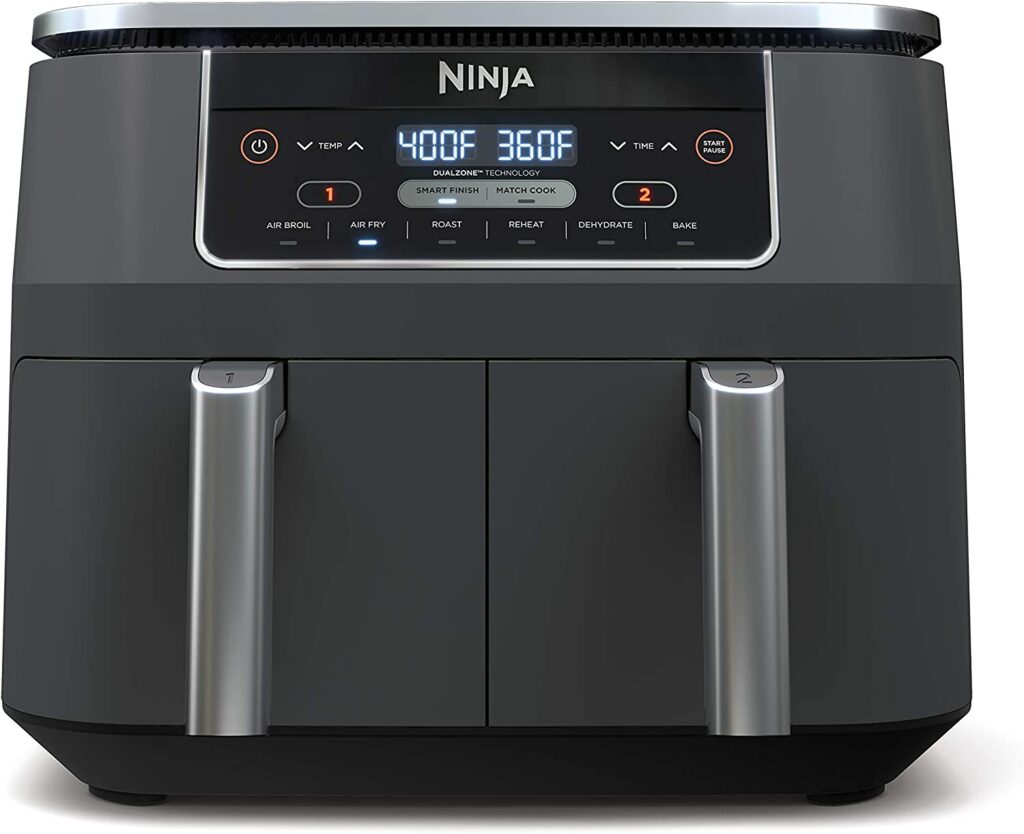
Temperature control is critical when cooking scallops because their delicate proteins denature quickly. For air frying, the sweet spot is 400°F (204°C). This temperature is hot enough to create a lightly caramelized, golden crust on the scallops’ surface while ensuring the interior remains tender and juicy.
Temperatures lower than 400°F may cook scallops too slowly, leading to a less appealing texture and insufficient browning. Conversely, temperatures above 425°F can scorch the exterior before the scallops are fully cooked, resulting in uneven cooking. Maintaining a precise temperature ensures a uniform sear and optimal flavor development, turning simple scallops into a restaurant-quality dish.
How Long To Cook Scallops In Air Fryer
Cooking time is as crucial as temperature. In a standard air fryer, scallops typically cook in 8-10 minutes. However, factors such as scallop size, thickness, and the specific air fryer model may slightly alter the timing.
- Smaller scallops (10-15 grams each): 6-8 minutes
- Medium scallops (20-25 grams each): 8-10 minutes
- Jumbo scallops (30 grams or more): 10-12 minutes
It’s important to arrange scallops in a single layer without overcrowding, allowing hot air to circulate evenly. Flipping them halfway through the cooking process can help achieve a consistent golden sear on both sides.
How To Tell If It Is Done
Perfectly cooked scallops are opaque and firm yet springy to the touch. A quick visual and tactile check can prevent overcooking:
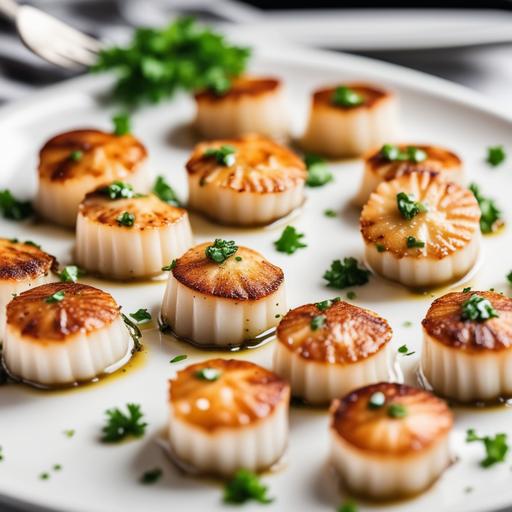
- Color: They should turn a pearly, off-white with a slight golden crust.
- Texture: Gently press a scallop with a fork; it should yield slightly but bounce back. If it feels mushy, it’s undercooked; if it’s tough or rubbery, it’s overcooked.
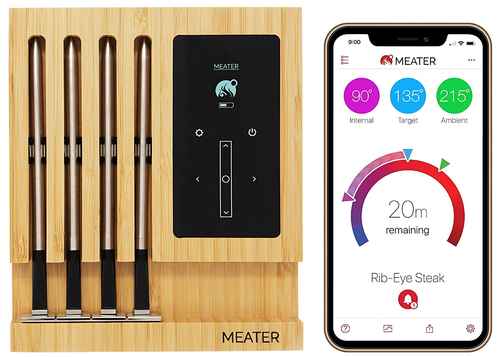
- Internal Temperature: For precision, use a food thermometer-scallops are ideally cooked at an internal temperature of 130-135°F (54-57°C).
Ingredients Needed
For a simple yet flavorful air fryer scallop dish, gather the following ingredients:
- 12 large sea scallops, patted dry
- 1-2 tablespoons olive oil or melted butter
- 1 teaspoon sea salt
- ½ teaspoon freshly ground black pepper
- Optional: garlic powder, paprika, lemon zest, or fresh herbs (parsley, thyme) for added flavor
- Lemon wedges for serving
The key is minimal seasoning that enhances the scallops’ natural flavor without overpowering it.
How To Cook Scallops In Air Fryer
- Preheat the air fryer to 400°F (204°C) for 3-5 minutes. Preheating ensures immediate searing.
- Prepare the scallops by patting them dry with paper towels. Moisture prevents browning, so thorough drying is essential.
- Season the scallops with salt, pepper, and optional spices. Lightly brush with olive oil or butter to promote caramelization.
- Arrange scallops in a single layer in the air fryer basket. Avoid overcrowding to ensure even cooking.
- Air fry for 4-5 minutes, then carefully flip each scallop and cook for another 4-5 minutes until opaque with a golden crust.
- Check doneness using visual cues or a thermometer. Remove immediately to prevent overcooking.
- Serve immediately with a squeeze of fresh lemon or a light drizzle of herb butter.
What If I Use A Different Air Fryer Temperature?
Adjusting temperature changes the cooking dynamics:
- Lower temperature (350-375°F): Slower cooking, less browning. Scallops may turn out tender but without a caramelized crust. Cooking time will need to be extended by 2-3 minutes.
- Higher temperature (425-450°F): Faster browning, potential risk of overcooking. You may need to reduce cooking time by 1-2 minutes and watch closely to avoid a rubbery texture.
Temperature adjustments are useful if your air fryer runs hot or cold, but precise timing and monitoring become even more critical.
What If I Use A Different Air Fryer Cooking Time?
Time adjustments can save or ruin your scallops:
- Shorter cooking time: Likely undercooked, scallops may be cold or raw in the center. Use a thermometer to check for at least 130°F.
- Longer cooking time: Overcooked scallops become rubbery, chewy, and lose their natural sweetness. If extending time, lower the temperature slightly to prevent burning.
When Things Go Wrong
Common pitfalls include:
- Rubbery scallops: Usually caused by overcooking or skipping the drying step.
- Undercooked scallops: Often from using too low a temperature or overcrowding the basket.
- Uneven browning: Result of overcrowding or inconsistent oil application.
To recover slightly overcooked scallops, slice them thinly and incorporate into a sauce or pasta. Undercooked scallops can be returned to the air fryer for 1-2 additional minutes.
Expert Tips
- Always pat scallops dry: Moisture is the enemy of a golden sear.
- Don’t overcrowd the basket: Air needs space to circulate evenly.
- Use a thermometer: Ensures precision and prevents overcooking.
- Flip halfway through: Promotes uniform browning.
- Rest briefly: Let scallops rest for 1-2 minutes after cooking; residual heat finishes the cooking process.
FAQs
What Type Of Scallops Are Best For Cooking In An Air Fryer?
Dry-packed sea scallops are ideal for air frying because they contain little to no added water. Wet-packed scallops, which are treated with a phosphate solution, can release excess moisture during cooking, preventing proper browning and caramelization.
Do I Need To Thaw Frozen Scallops Before Air Frying?
Yes, it is recommended to fully thaw frozen scallops before air frying. Thaw them in the refrigerator overnight or under cold running water. Cooking them from frozen may result in uneven cooking and a rubbery texture.
How Should Scallops Be Seasoned For Air Frying?
Lightly pat scallops dry with a paper towel to remove excess moisture, then season with salt, pepper, garlic powder, paprika, or your preferred spices. A small amount of oil or melted butter can be brushed on the scallops to promote browning and prevent sticking.
What Is The Recommended Temperature And Cooking Time For Air Frying Scallops?
Preheat the air fryer to 400°F (200°C). Arrange scallops in a single layer without overcrowding. Cook for 8-10 minutes, flipping halfway through, until they are opaque in the center and golden brown on the outside. Cooking time may vary slightly depending on the size of the scallops.
Can I Cook Scallops In The Air Fryer Without Oil?
Yes, but adding a light coating of oil or butter helps achieve a golden crust and prevents sticking. If you prefer a no-oil method, use a well-coated nonstick air fryer basket and monitor closely to prevent drying out.
How Do I Know When Air-fried Scallops Are Done?
Scallops are done when the exterior is lightly browned and caramelized, and the interior is opaque and slightly firm to the touch. Overcooking can make them rubbery, so it is better to check a minute or two before the suggested cooking time ends.
Can I Reheat Leftover Air-fried Scallops?
Yes, reheat scallops in the air fryer at 350°F (175°C) for 3-5 minutes. Avoid using a microwave, which can make them tough and rubbery. For best results, cover lightly with foil to retain moisture during reheating.