
How To Cook Sea Bass In Air Fryer [FULL GUIDE]
Recommended Equipments:
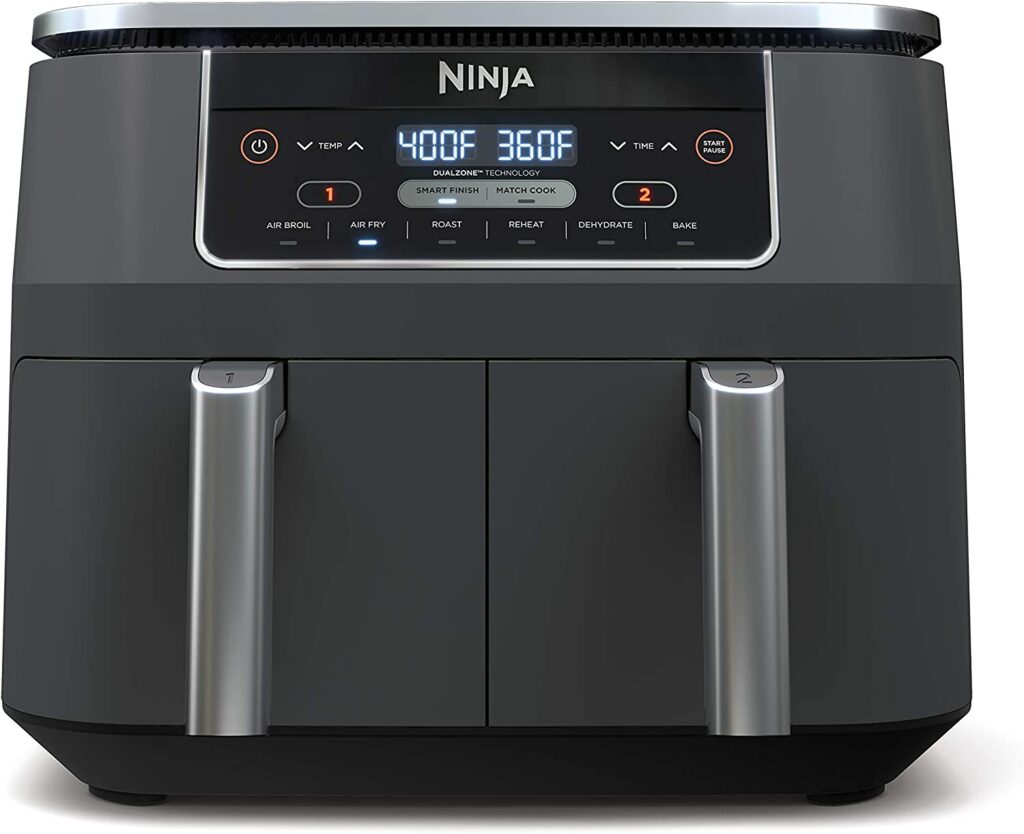

Sea bass, known for its delicate, buttery texture and mild flavor, has earned a special place in kitchens around the world. Its tender, flaky flesh makes it an ideal candidate for various cooking methods, from pan-searing to baking. Yet, one of the most convenient and increasingly popular ways to prepare sea bass is with an air fryer. Air fryers combine rapid hot air circulation with minimal oil to produce a crisp exterior while preserving moisture and flavor inside-a perfect match for this delicate fish. Cooking sea bass in an air fryer allows you to achieve restaurant-quality results with less mess and far less fat than traditional frying. This guide will explore every nuance of preparing sea bass in an air fryer, ensuring that even beginners can produce a perfectly cooked fillet with confidence.
Optimal Air Fryer Temperature To Cook Sea Bass In Air Fryer
Temperature is crucial when cooking sea bass in an air fryer because too high a heat can dry out the delicate flesh, while too low a heat can leave it undercooked. The optimal temperature for cooking sea bass is around 375°F (190°C). At this temperature, the fish cooks evenly, the exterior develops a subtle crispness, and the interior remains moist and tender.
Cooking at 375°F ensures that the proteins in the fish firm up without squeezing out excessive moisture. It also allows any seasoning, oil, or marinade applied to the fillet to form a flavorful outer layer. For slightly thicker fillets, some chefs recommend a two-step process: starting at 400°F (205°C) for the first few minutes to achieve a golden crust, then reducing to 375°F for the remainder of the cooking time.
How Long To Cook Sea Bass In Air Fryer
The cooking time for sea bass in an air fryer depends on the thickness of the fillet and whether it is skin-on or skinless. Generally, a 6-ounce fillet takes 10-12 minutes at 375°F. Thicker fillets, around 1.5 inches thick, may require 12-15 minutes, while thinner fillets may only need 8-10 minutes.
A helpful guideline is the ’10-minute rule’: cook the fish for 10 minutes per inch of thickness. This ensures the fish cooks evenly from edge to center without overcooking. Always remember that air fryers can vary in heat distribution, so a quick check a minute or two before the expected finish time is wise.
How To Tell If It Is Done
Determining whether sea bass is fully cooked requires a combination of visual cues and tactile assessment:
- Flakiness: When gently pressed with a fork, the flesh should separate easily along the natural lines of the muscle. If it resists flaking, it needs more time.
- Opaque Flesh: Raw sea bass has a translucent, slightly gray appearance. Cooked sea bass becomes opaque and bright white.
- Internal Temperature: For precise cooking, use a digital thermometer. Fully cooked sea bass should reach 135-140°F (57-60°C). Remove it from the air fryer as soon as it reaches this range, as carryover heat will continue cooking the fish slightly.
- Juices: The juices should run clear, not milky or watery.
Ingredients Needed
The ingredients for air-fried sea bass are simple yet allow for layering of flavor:
- 2 sea bass fillets (6-8 ounces each)
- 1-2 tablespoons olive oil or melted butter
- Salt and freshly ground black pepper, to taste
- 1 teaspoon garlic powder (optional)
- 1 teaspoon paprika or smoked paprika (optional)
- Fresh herbs (such as thyme, dill, or parsley)
- Lemon wedges for serving
Optional: a light marinade of lemon juice, garlic, and olive oil for extra flavor enhancement.
How To Cook Sea Bass In Air Fryer
- Prepare the Fillets: Pat the sea bass dry with paper towels. This step is crucial for a crisp exterior.
- Season: Brush both sides lightly with olive oil or melted butter. Season with salt, pepper, and optional spices. If using herbs, sprinkle them on top or place them under the fillet.
- Preheat the Air Fryer: Preheating ensures even cooking and prevents sticking. Set to 375°F for 3-5 minutes.
- Arrange the Fillets: Place fillets in the air fryer basket, skin-side down if applicable, ensuring they are not overlapping.
- Cook: Air fry for 10-12 minutes, checking for doneness around the 8-minute mark. Adjust timing based on fillet thickness.
- Serve: Let the fish rest for 1-2 minutes before serving to allow juices to redistribute. Serve with fresh lemon wedges and a sprinkle of herbs.
What If I Use A Different Air Fryer Temperature?
- Higher Temperature (400-425°F / 205-220°C): Fish will cook faster, but there’s a higher risk of drying out or burning the edges. Reduce cooking time by 2-3 minutes.
- Lower Temperature (325-350°F / 160-175°C): Slower cooking will keep the fish moist but may result in a less crispy exterior. Increase cooking time by 3-5 minutes and monitor doneness carefully.
What If I Use A Different Air Fryer Cooking Time?
- Shorter Time: The fish may be undercooked, raw in the center, or difficult to flake. Always check the internal temperature.
- Longer Time: Overcooking leads to dry, tough fillets. Sea bass is delicate, so it is better to slightly undercook and let carryover heat finish cooking.
When Things Go Wrong
Even in an air fryer, cooking mistakes happen:
- Fish Sticks to Basket: Likely from insufficient oil or a lack of preheating. Solution: lightly oil the basket or use parchment liners.
- Dry Fillets: Caused by overcooking or too high a temperature. Remedy: slightly lower heat next time and reduce cooking time.
- Uneven Cooking: If fillets are different sizes, remove smaller pieces earlier or cut larger fillets into uniform thickness.
- Flavorless Fish: Under-seasoning or skipping marinade can result in bland fillets. Always season generously and consider a light marinade for more depth.
Expert Tips
- Pat Dry: Removing moisture is key for crisp skin.
- Uniform Thickness: Ensures even cooking and prevents overcooked edges.
- Use Skin-On Fillets: Skin adds flavor, holds fillet together, and crisps beautifully.
- Light Oil Coating: Enough to prevent sticking but not so much that it fries instead of air frying.
- Check Early: Air fryers can cook unevenly; start checking for doneness a few minutes before the recommended time.
- Rest Before Serving: Just a minute or two improves texture and juiciness.
FAQs
What Is The Best Temperature To Cook Sea Bass In An Air Fryer?
The ideal temperature to cook sea bass in an air fryer is 375°F (190°C). This temperature ensures the fish cooks evenly without drying out, giving it a tender and flaky texture with a slightly crisp exterior.
How Long Should I Cook Sea Bass In An Air Fryer?
Cooking time for sea bass in an air fryer typically ranges from 10 to 15 minutes, depending on the thickness of the fillets. Thin fillets may cook in about 8-10 minutes, while thicker pieces may require up to 15 minutes.
Should I Season The Sea Bass Before Air Frying?
Yes, seasoning the sea bass before air frying enhances its flavor. You can use a combination of salt, pepper, garlic powder, lemon juice, and herbs such as thyme or dill. For an extra layer of flavor, lightly brush the fillets with olive oil or melted butter.
Do I Need To Preheat The Air Fryer Before Cooking Sea Bass?
Preheating the air fryer is recommended for optimal results. Preheating for 3-5 minutes at the cooking temperature ensures the sea bass starts cooking immediately and promotes a crispy exterior.
Can I Cook Frozen Sea Bass In An Air Fryer?
Yes, you can cook frozen sea bass in an air fryer, but it requires a slightly longer cooking time. Preheat the air fryer and cook frozen fillets for approximately 15-20 minutes at 375°F (190°C), flipping halfway through for even cooking.
Should I Use Foil Or Parchment Paper When Air Frying Sea Bass?
Using parchment paper is recommended over foil for air frying sea bass, as it allows air circulation while preventing sticking. Ensure the paper is perforated or properly trimmed to avoid blocking airflow, which is crucial for even cooking.
How Do I Know When Sea Bass Is Fully Cooked In An Air Fryer?
Sea bass is fully cooked when it reaches an internal temperature of 145°F (63°C) and flakes easily with a fork. The flesh should be opaque and moist. Avoid overcooking, as this can cause the fish to become dry and lose its delicate texture.