How To Cook Store Bought Garlic Bread In Air Fryer [FULL GUIDE]
Recommended Equipments:
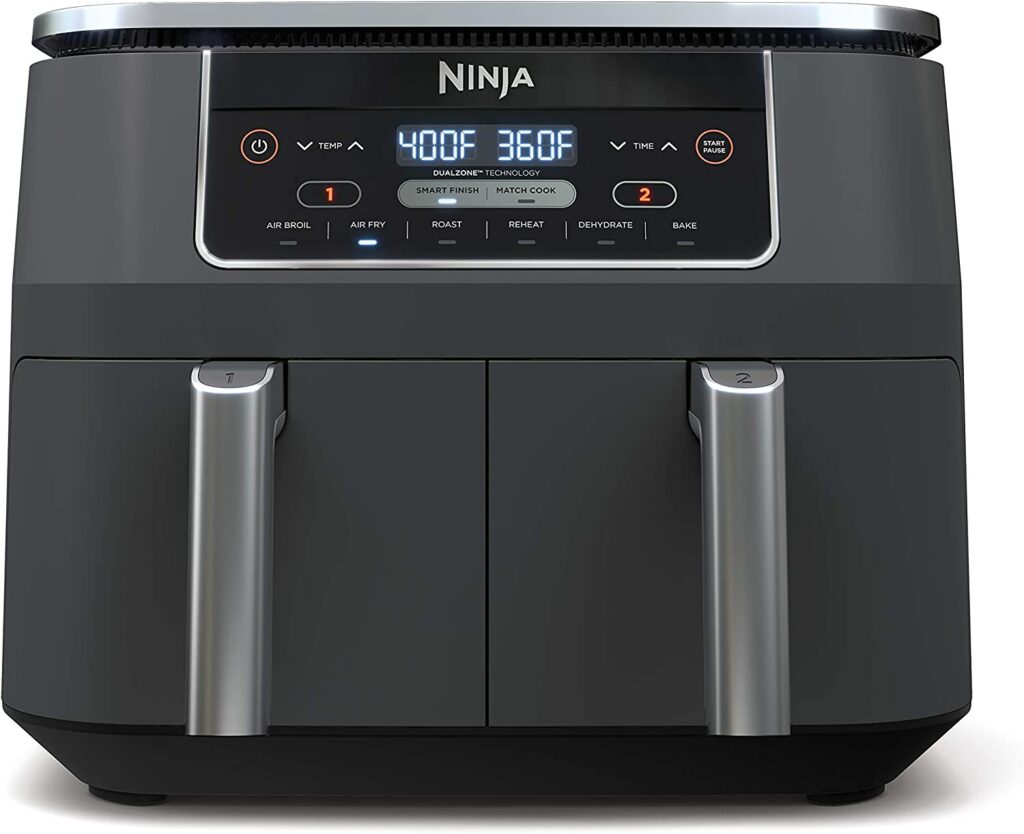
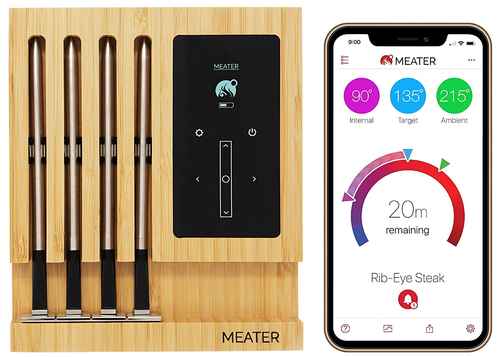
Garlic bread, with its golden crust, aromatic garlic flavor, and soft, buttery center, is a universally loved side dish. Traditionally baked in an oven, it has recently found a modern twist in the air fryer, which promises a quicker, crispier, and more convenient preparation method. The beauty of cooking store-bought garlic bread in an air fryer lies not just in its efficiency but also in the ability to achieve that perfect balance of crunch and softness, which can sometimes be challenging in conventional methods. However, like any culinary endeavor, success requires a precise understanding of temperature, timing, and technique. This guide delves deep into everything you need to know to transform a simple packaged garlic bread into a restaurant-quality delight in your air fryer.
Optimal Air Fryer Temperature To Cook Store Bought Garlic Bread In Air Fryer
Temperature is the cornerstone of perfectly cooked garlic bread. For store-bought garlic bread, the optimal air fryer temperature generally ranges between 350°F to 375°F (175°C to 190°C). Cooking at this range allows the bread to heat evenly, melt the garlic butter thoroughly, and develop a golden, slightly crispy exterior without burning.
Lower temperatures (below 350°F) can result in a bread that warms unevenly, leaving the center cold or the crust soft and soggy. Conversely, higher temperatures (above 375°F) may crisp the bread too quickly, causing the butter and garlic topping to burn while the interior remains undercooked. Choosing the right temperature ensures the bread’s interior is soft and flavorful while the exterior achieves that signature crunch.
How Long To Cook Store Bought Garlic Bread In Air Fryer
Cooking time can vary depending on the brand, thickness, and size of the garlic bread slices. On average:
- Individual slices: 5-7 minutes
- Half-loaf or full loaf pieces: 8-12 minutes
It is essential to remember that air fryers circulate hot air rapidly, which can cook smaller or thinner slices faster than thicker loaf sections. Therefore, checking the bread halfway through the cooking process and adjusting timing based on size is crucial for avoiding overcooking or burning.
How To Tell If It Is Done
Perfect garlic bread exhibits three key signs of readiness:
- Golden-brown crust: The edges should have a light golden to deep amber color, depending on personal preference.
- Melted, bubbly butter: The garlic butter topping should appear fully melted and slightly bubbling.
- Soft interior: When pressed gently, the interior should yield slightly but remain soft and fluffy, without feeling raw or doughy.
A visual and tactile inspection is often more reliable than strictly adhering to the clock, especially with varying air fryer models.
Ingredients Needed
For cooking store-bought garlic bread in an air fryer, the ingredient list is minimal but essential:
- Store-bought garlic bread (pre-sliced or whole loaf)
- Optional toppings for enhancement: grated Parmesan, extra butter, or fresh herbs like parsley
Most of the time, the garlic bread is already pre-buttered and seasoned, making it a convenient, low-effort side dish.
How To Cook Store Bought Garlic Bread In Air Fryer
- Preheat the air fryer: Set the air fryer to 360°F (182°C) for 2-3 minutes. Preheating ensures even cooking from the start.
- Prepare the bread: Separate slices if applicable. If desired, lightly brush with extra butter or sprinkle additional herbs or cheese for flavor enhancement.
- Place the bread in the basket: Arrange the slices in a single layer, avoiding overlap to allow proper air circulation.
- Air fry: Cook for 5-7 minutes for slices or 8-12 minutes for a half/full loaf. Flip the slices halfway through for even crisping.
- Check doneness: Confirm golden edges, melted butter, and soft interior. Adjust cooking time as necessary.
- Serve immediately: Garlic bread is best enjoyed hot and fresh from the air fryer.
What If I Use A Different Air Fryer Temperature?
Adjusting temperature will impact texture and cooking time:
- Lower temperatures (300-340°F / 150-170°C): The bread will cook more gently, reducing the risk of burning but may need extra time. The crust might be softer rather than crispy.
- Higher temperatures (380-400°F / 190-200°C): The bread will crisp faster, ideal for a crunchier result but with a higher risk of burning the garlic butter topping. Monitoring closely is essential at higher temperatures.
What If I Use A Different Air Fryer Cooking Time?
Cooking time adjustments are critical and should reflect the size, thickness, and temperature:
- Shorter time: The bread may be undercooked, with cold or chewy interiors.
- Longer time: Can result in burnt edges and a dried-out texture.
Tip: Always check halfway and adjust in 1-2 minute increments for precision.
When Things Go Wrong
Even with air fryers, mistakes happen. Common problems include:
- Burned edges: Likely due to too high a temperature or overly long cooking. Reduce temperature or cook in shorter bursts next time.
- Soggy bread: May occur if the air fryer is overcrowded, preventing proper air circulation. Cook in batches.
- Uneven melting: Butter not fully melted may indicate uneven heat distribution; flipping slices halfway can help.
Expert Tips
- Preheat the air fryer to ensure even cooking.
- Do not overcrowd the basket-air circulation is key.
- Flip halfway to ensure even browning.
- Enhance flavors with a sprinkle of Parmesan, garlic powder, or chopped herbs before air frying.
- Check frequently the first time you try a new brand or loaf size; cooking times vary.
- Serve immediately for maximum crispiness; garlic bread can lose crunch if left too long.
FAQs
What Is The Recommended Temperature To Cook Store-bought Garlic Bread In An Air Fryer?
Most store-bought garlic breads cook best in an air fryer at 350°F (175°C). This temperature ensures the bread heats evenly, melts the butter or cheese topping, and achieves a crisp exterior without burning.
How Long Should I Cook Garlic Bread In The Air Fryer?
Cooking time varies depending on the thickness and type of garlic bread. Typically, slices take 5-7 minutes, while larger baguette-style loaves may take 8-10 minutes. It’s best to check at the halfway mark to ensure even browning.
Do I Need To Preheat The Air Fryer Before Cooking Garlic Bread?
Preheating the air fryer is recommended for consistent results, especially for frozen garlic bread. Preheat at 350°F (175°C) for 3-5 minutes before placing the bread inside. Some fresh garlic breads may cook well without preheating.
Should I Wrap The Garlic Bread In Foil Or Cook It Directly In The Air Fryer Basket?
For crispier results, cook garlic bread directly in the air fryer basket. Wrapping in foil may retain moisture, making the crust softer but potentially less crispy. Avoid overcrowding the basket for even cooking.
Can I Cook Frozen Garlic Bread In The Air Fryer Without Thawing It First?
Yes, frozen garlic bread can be cooked directly in the air fryer. Increase the cooking time slightly, typically by 2-3 minutes, and check for golden brown edges and fully melted butter or cheese before serving.
How Can I Prevent Garlic Bread From Burning In The Air Fryer?
To prevent burning, monitor the cooking process closely, especially during the last few minutes. Avoid high temperatures above 375°F (190°C) and consider covering the bread with foil if it browns too quickly.
Can I Add Extra Toppings To Store-bought Garlic Bread Before Air Frying?
Yes, you can enhance store-bought garlic bread by adding extra cheese, herbs, or spices before cooking. However, be mindful of moisture-heavy toppings, as they may require slightly longer cooking times to crisp the bread properly.