
How To Cook Streaky Bacon In Air Fryer [FULL GUIDE]
Recommended Equipments:
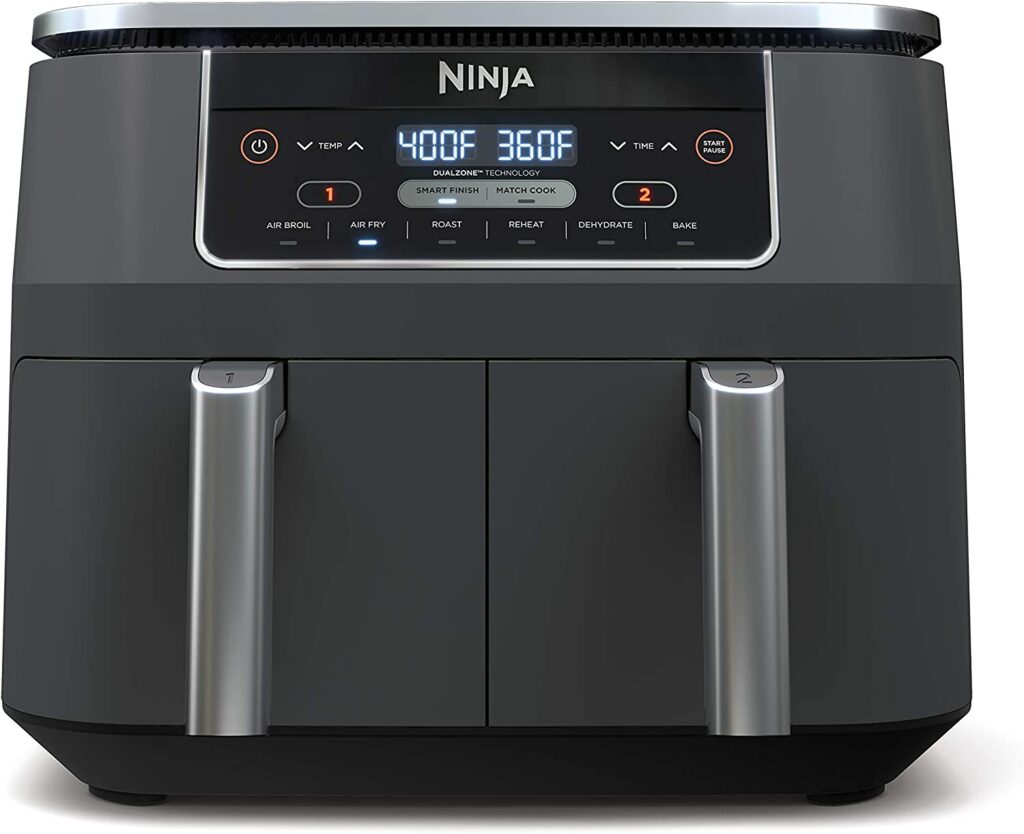
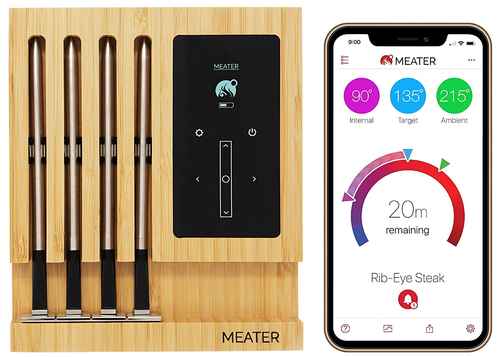
Cooking streaky bacon in an air fryer has become one of the most reliable, mess-free, and time-efficient ways to achieve irresistibly crisp results. Unlike pan-frying, which often leads to splattering oil, or oven-baking, which can take far longer, the air fryer circulates hot air rapidly around the bacon, crisping the fat and browning the meat evenly. Whether you prefer your bacon lightly crisp or deeply golden and brittle, the air fryer gives you consistent control and delivers beautifully cooked strips every time.
This guide explores everything you need to know: the optimal temperature, timing adjustments, signs of doneness, step-by-step instructions, troubleshooting, and expert tips to elevate your bacon-cooking routine.
Optimal Air Fryer Temperature To Cook Streaky Bacon In Air Fryer
The best temperature to cook streaky bacon in an air fryer is 180°C (356°F).
This temperature is high enough to render the fat quickly while preventing the bacon from scorching before it fully crisps. At 180°C, the bacon cooks evenly, the edges turn beautifully golden, and the fat melts at just the right pace to create a tender-crisp bite.
Some air fryer models run hotter than others, but 180°C is a balanced starting point that suits the majority of devices and produces reliable results across different bacon thicknesses.
How Long To Cook Streaky Bacon In Air Fryer
The average cooking time for streaky bacon at 180°C is:
- Thin-cut streaky bacon: 6-8 minutes
- Medium-cut streaky bacon: 8-10 minutes
- Thick-cut streaky bacon: 10-12 minutes
You can always adjust the time depending on your preference:
- Softer, chewier bacon: Reduce time by 1-2 minutes
- Very crisp bacon: Add 1-3 minutes
Remember that air fryers vary, and the bacon’s fat content influences how quickly it browns. It’s always good to start checking halfway through the cook, especially during your first batch.
How To Tell If Streaky Bacon Is Done
Your bacon is done when:
- The fat has rendered and no longer looks opaque or rubbery.
- The edges have curled and darkened slightly.
- The colour is evenly golden-brown (or deeper if you prefer extra crispness).
- The texture firms up as it cools. Bacon becomes crisper after resting for a minute or two.
- There is minimal bubbling of fat in the air fryer basket.
If the bacon is still pale, limp, or sweating fat, it needs more time. If it begins to darken too quickly or looks blackened at the edges, reduce the temperature.
Ingredients Needed
Streaky bacon requires very few ingredients. In fact, you need only:
- Streaky bacon slices (thin, medium, or thick cut)
Optional enhancements:
- Freshly cracked black pepper
- A pinch of smoked paprika
- A small amount of maple syrup brushed on during the last minute for a glossy, caramelised finish
- Brown sugar for candied bacon
- Crushed chilli flakes for spice
No oil is required. Streaky bacon naturally contains enough fat to cook perfectly in the air fryer.
How To Cook Streaky Bacon In Air Fryer
- Preheat your air fryer to 180°C (356°F) for 2-3 minutes. This ensures the bacon begins cooking immediately and crisps evenly.
- Arrange the bacon in a single layer in the air fryer basket. The slices can touch slightly, but avoid overlapping heavily, as the overlapping portions will steam rather than crisp.
-
Cook According To Thickness
- Thin: 6-8 minutes
- Medium: 8-10 minutes
- Thick: 10-12 minutes
- Check midway through cooking. Bacon tends to move with air circulation. Reposition if necessary to ensure even cooking.
- Cook until the bacon reaches your ideal crispness. Add extra time in one-minute increments if needed.
- Remove and drain on paper towels. This step allows excess rendered fat to drain and enhances crispness as the bacon cools.
- Serve immediately. Air-fried bacon tends to stay crisp longer than pan-fried bacon, making it ideal for meal prepping or breakfast platters.
What If I Use A Different Air Fryer Temperature?
Changing the temperature alters how the bacon behaves:
Lower Temperature (150°C-170°C)
- The fat renders more slowly.
- Bacon cooks more evenly but needs additional time.
- Risk of slightly softer texture.
- Good if you prefer tender bacon with some chew.
Higher Temperature (190°C-200°C)
- Bacon crisps very quickly.
- Risk of burning edges before fat fully renders.
- Works well for very thin slices.
- Not ideal for thick-cut bacon, which needs reduction of heat.
Adjust temperature based on your air fryer’s strength. Some models calibrate hotter than indicated, so lower temperatures may still produce crisp bacon.
What If I Use A Different Air Fryer Cooking Time?
Cooking time determines texture:
Shorter Time
- Produces softer, chewier bacon
- Fat remains more prominent and less rendered
- Bacon retains a pinkish tone instead of deep golden
Longer Time
- Enhances crispness and deepens colour
- Risk of dryness if overcooked
- Bacon may become brittle and dark if left too long
Cooking times should always be adjusted in small increments to avoid crossing the line between perfectly crisp and burnt.
When Things Go Wrong
Bacon Curls Too Much
Cause: Air circulation lifting and twisting thin slices.
Fix: Weigh the bacon down with a small heat-safe trivet.
Bacon Burns At The Edges But Stays Soft In The Middle
Cause: Temperature too high.
Fix: Lower to 170-180°C and cook slightly longer.
Bacon Sticking To The Basket
Cause: Lack of preheating or old residue.
Fix: Lightly mist basket with cooking spray or use parchment designed for air fryers.
Excess Smoke From The Air Fryer
Cause: Hot fat pooling in the basket.
Fix: Add a piece of bread or a small splash of water to the drip tray beneath the basket.
Uneven Cooking
Cause: Overcrowding or overlapping.
Fix: Cook in batches to maintain a single, even layer.
Expert Tips
- Preheat the air fryer to ensure consistent initial heat.
- Do not overcrowd the basket. Airflow is essential for crispiness.
- Turn halfway if your air fryer’s circulation is not perfectly even.
- Drain excess fat at the bottom between batches to avoid smoke.
- Rest the bacon for one minute after cooking; it crisps further as it cools.
- Experiment with seasonings like pepper, chilli flakes, garlic powder, or maple syrup for unique flavour twists.
- Use thick-cut bacon if you prefer a substantial bite; it stays juicy while still turning crisp at the edges.
FAQs
What Temperature Should I Set My Air Fryer To Cook Streaky Bacon?
For perfectly cooked streaky bacon, set your air fryer to 180°C (356°F). This temperature allows the bacon to crisp evenly without burning, while retaining its natural juices.
How Long Does It Take To Cook Streaky Bacon In An Air Fryer?
Cooking time depends on the thickness of the bacon and your preferred level of crispiness. Thin slices typically take 6-8 minutes, while thicker slices may require 10-12 minutes. Check halfway through and adjust time as needed.
Should I Lay The Bacon In A Single Layer Or Can I Stack It?
It’s best to lay the bacon in a single layer to ensure even cooking. Stacking can result in unevenly cooked pieces, with some remaining undercooked while others overcook. If needed, cook in batches.
Do I Need To Preheat The Air Fryer Before Cooking Bacon?
Preheating is optional but recommended for more consistent results. Preheating the air fryer for 2-3 minutes ensures the bacon starts cooking immediately at the right temperature.
How Can I Prevent Bacon From Sticking To The Air Fryer Basket?
To prevent sticking, lightly spray the air fryer basket with cooking oil or use parchment paper designed for air fryers. Avoid covering the entire basket with paper, as this can block airflow and affect cooking.
Do I Need To Flip The Bacon During Cooking?
Flipping is recommended for thicker slices to achieve uniform crispiness on both sides. Thin bacon can cook evenly without flipping, but checking midway helps prevent burning.
How Should I Clean The Air Fryer After Cooking Streaky Bacon?
Allow the air fryer to cool completely. Remove the basket and tray, then wash them with warm soapy water to remove grease. Wipe down the interior with a damp cloth. For stubborn grease, soak the basket in hot water before cleaning.