
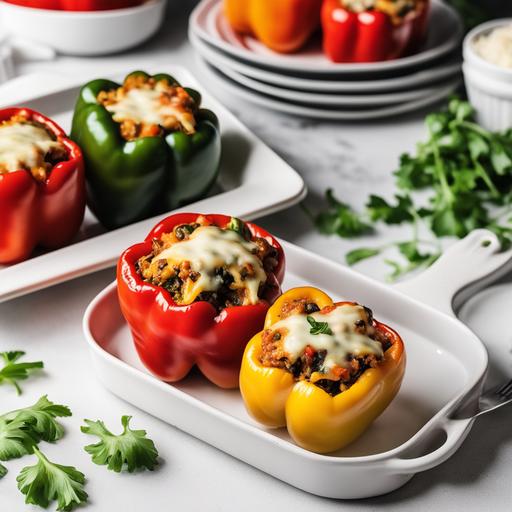
How To Cook Stuffed Peppers In Air Fryer [FULL GUIDE]
Recommended Equipments:
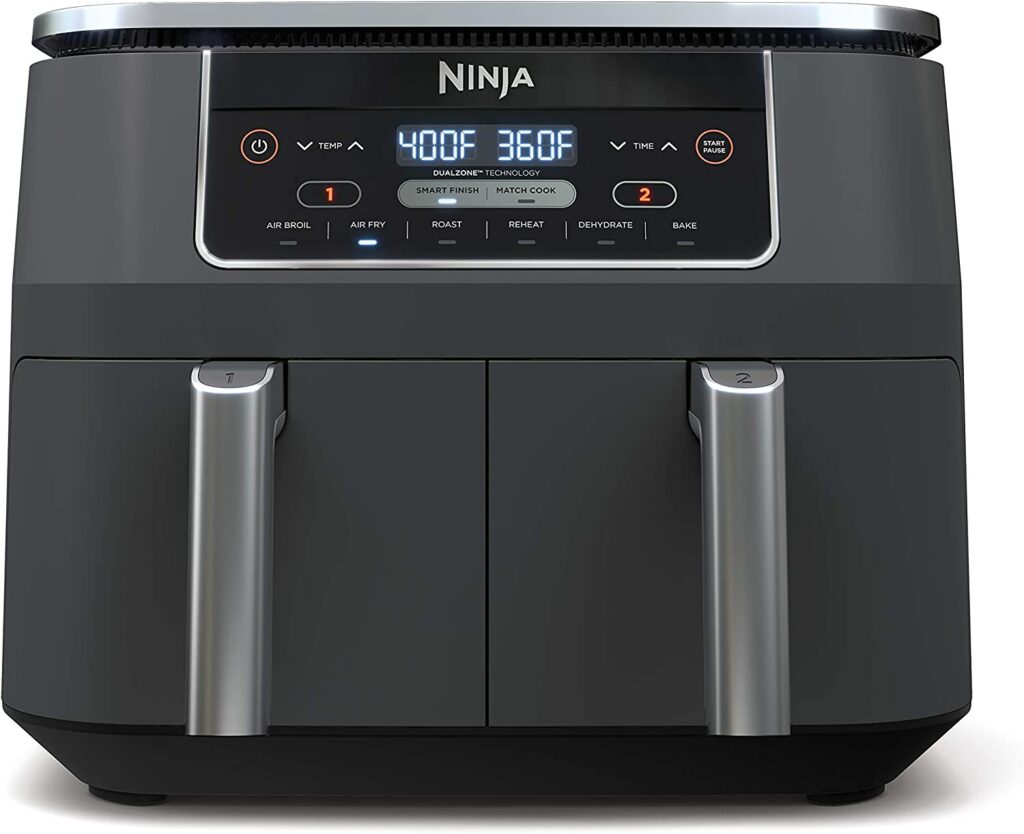
Stuffed peppers are a classic comfort food that combine vibrant vegetables with hearty fillings, offering both nutrition and flavor in one satisfying dish. Traditionally baked in an oven, they can take considerable time to cook through evenly. Enter the air fryer-a game-changer in modern kitchens. By circulating hot air rapidly around the food, an air fryer not only speeds up cooking but also creates a slightly crisp exterior while keeping the inside tender and flavorful. Cooking stuffed peppers in an air fryer allows for perfectly cooked vegetables, a juicy and flavorful filling, and significantly reduced cooking time without sacrificing taste. Whether you’re a novice cook or a seasoned culinary enthusiast, mastering stuffed peppers in an air fryer opens the door to an easier, faster, and equally delicious version of this classic dish.
Optimal Air Fryer Temperature To Cook Stuffed Peppers In Air Fryer
Temperature control is key to achieving stuffed peppers that are tender, fully cooked, and not mushy. Most stuffed pepper recipes thrive in an air fryer at 360°F (182°C) to 375°F (190°C). This range is ideal because it’s high enough to cook the filling thoroughly and slightly roast the pepper exterior, yet not so high that the peppers burn or dry out.
- 360°F (182°C): Best for thicker peppers or peppers stuffed with meat that require longer internal cooking.
- 375°F (190°C): Ideal for peppers that are smaller or stuffed primarily with pre-cooked ingredients such as rice or vegetables, giving a lightly caramelized outer texture.
Starting at a moderate temperature ensures even cooking and prevents the filling from becoming too hot too quickly, which can leave the pepper undercooked or overly soft.
How Long To Cook Stuffed Peppers In Air Fryer
Cooking time is a balancing act between softening the pepper and fully cooking the filling. Typically, stuffed peppers take 12-18 minutes in an air fryer, depending on the size of the peppers, the type of filling, and whether the ingredients are pre-cooked.
- Small to medium peppers: 12-15 minutes
- Large peppers: 15-18 minutes
- Frozen or chilled fillings: Add 2-3 minutes to ensure thorough heating
Air fryers vary in power, so it’s always wise to check your stuffed peppers a few minutes before the minimum recommended cooking time to avoid overcooking.
How To Tell If It Is Done
There are several reliable ways to confirm your stuffed peppers are perfectly cooked:
- Visual Check: The peppers should appear tender but not collapsing, and the edges may have a slight caramelization.
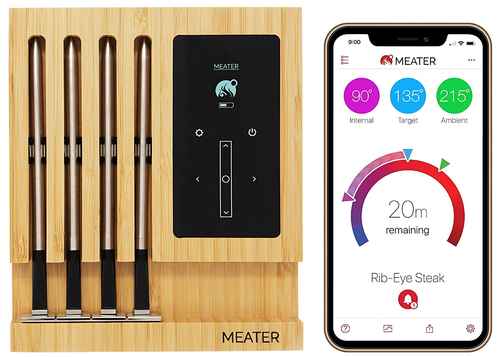
- Filling Temperature: Use a food thermometer; the internal filling temperature should reach 165°F (74°C), especially for meat-based fillings.
- Texture Test: Gently press the top of the pepper. It should yield slightly under pressure but still hold its shape.
- Cheese Melting: If your recipe includes cheese, it should be fully melted and slightly golden.
Using these methods together ensures both safety and optimal taste.
Ingredients Needed
For a classic stuffed pepper recipe suitable for the air fryer, you’ll need:
- 4 medium bell peppers (any color)
- 1 cup cooked rice or quinoa
- 1 pound ground beef, turkey, or chicken (or plant-based alternative)
- 1 small onion, finely chopped
- 2 cloves garlic, minced
- 1 cup diced tomatoes or tomato sauce
- 1 teaspoon paprika
- 1 teaspoon Italian seasoning
- Salt and pepper to taste
- 1 cup shredded cheese (cheddar, mozzarella, or a blend)
- Olive oil for brushing
Optional extras: mushrooms, corn, beans, spinach, or fresh herbs for garnish.
How To Cook Stuffed Peppers In Air Fryer
- Prepare the Peppers: Slice the tops off the peppers and remove seeds and membranes. Lightly brush the outside with olive oil.
- Prepare the Filling: Cook the ground meat with onion, garlic, and spices until fully browned. Mix in cooked rice, tomatoes, and half of the shredded cheese.
- Stuff the Peppers: Spoon the filling generously into each pepper, pressing slightly to fill evenly. Top with remaining cheese.
- Air Frying: Place the stuffed peppers upright in the air fryer basket. Cook at 360°F-375°F for 12-18 minutes, checking halfway to ensure even cooking.
- Rest Before Serving: Let peppers rest for 2-3 minutes after removing from the air fryer to allow juices to redistribute.
What If I Use A Different Air Fryer Temperature?
- Lower Temperature (325°F/163°C): Slower cooking, peppers may stay firmer, but filling might take longer to reach a safe temperature.
-
Higher Temperature (400°F/204°C): Faster cooking and more browning on the peppers, but risk of burning or drying the exterior before the filling is hot.
Adjusting temperature requires careful monitoring and possibly altering the cooking time.
What If I Use A Different Air Fryer Cooking Time?
- Shorter Time: Peppers may be undercooked and filling may be cold; always check with a thermometer.
- Longer Time: Peppers can become mushy or shriveled; cheese may over-brown or become greasy.
The key is to maintain balance-time and temperature are interconnected, and small adjustments can have a big effect.
When Things Go Wrong
- Peppers are soggy: Likely overfilled or cooked at too low a temperature; next time, use slightly less filling or increase heat slightly.
- Filling undercooked: Reduce pepper size or precook the filling more thoroughly.
- Cheese too oily: Use moderate amounts and avoid very high-fat cheeses, or add cheese only during the last few minutes of cooking.
Expert Tips
- Pre-cook the Peppers Slightly: If peppers are very thick, blanching for 2-3 minutes in boiling water softens them before air frying.
- Use a Thermometer: Ensures filling reaches safe internal temperature without overcooking the pepper.
- Space Matters: Don’t overcrowd the air fryer basket-air must circulate for even cooking.
- Resting Time: Allow peppers to rest a few minutes post-cooking for juicier results.
- Experiment with Fillings: Try grains, beans, or chopped vegetables to make a nutritious vegetarian version.
FAQs
What Types Of Peppers Are Best For Air Fryer Stuffed Peppers?
Bell peppers are ideal for air fryer stuffed peppers due to their sturdy walls and natural sweetness. Red, yellow, and orange bell peppers hold their shape well and provide a colorful presentation. Green bell peppers can also be used but tend to have a slightly more bitter taste.
Do I Need To Pre-cook The Filling Before Air Frying?
It depends on the ingredients. For fillings containing raw meat or rice, it’s recommended to partially cook them first to ensure thorough cooking in the air fryer. If using pre-cooked rice, beans, or vegetables, you can assemble the peppers directly without pre-cooking.
What Temperature And Cooking Time Should I Use In The Air Fryer?
Preheat the air fryer to 350°F (175°C). Cook the stuffed peppers for 12-18 minutes, depending on the size of the peppers and the density of the filling. Check for doneness by ensuring the peppers are tender and the filling reaches the proper internal temperature, especially if it contains meat.
Should I Cover The Peppers With Foil While Air Frying?
Covering is optional. Using foil can prevent the tops from browning too quickly and help retain moisture. However, leaving them uncovered allows the cheese topping or filling to develop a golden, slightly crispy texture. Adjust based on your desired result.
Can I Freeze Stuffed Peppers Before Air Frying?
Yes, you can freeze assembled stuffed peppers before cooking. Wrap them individually in plastic wrap or place them in an airtight container. When ready to cook, thaw them in the refrigerator for several hours or overnight before air frying to ensure even cooking.
How Do I Prevent The Peppers From Getting Soggy?
To avoid soggy peppers, avoid overstuffing and ensure the filling is not too wet. Lightly brushing the peppers with oil and preheating the air fryer helps achieve a slightly crisp exterior while keeping the inside tender. Removing excess moisture from ingredients like tomatoes or cooked rice can also help.
Can I Make Stuffed Peppers In The Air Fryer Without Cheese?
Absolutely. Cheese is optional and mainly used for added flavor and a golden topping. You can substitute with a tomato-based sauce, breadcrumbs, or a drizzle of olive oil to add moisture and texture while keeping the dish dairy-free or vegan.