
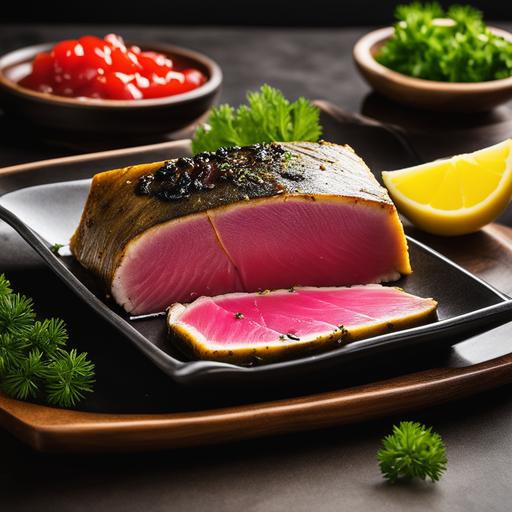
How To Cook Yellowfin Tuna In Air Fryer [FULL GUIDE]
Recommended Equipments:
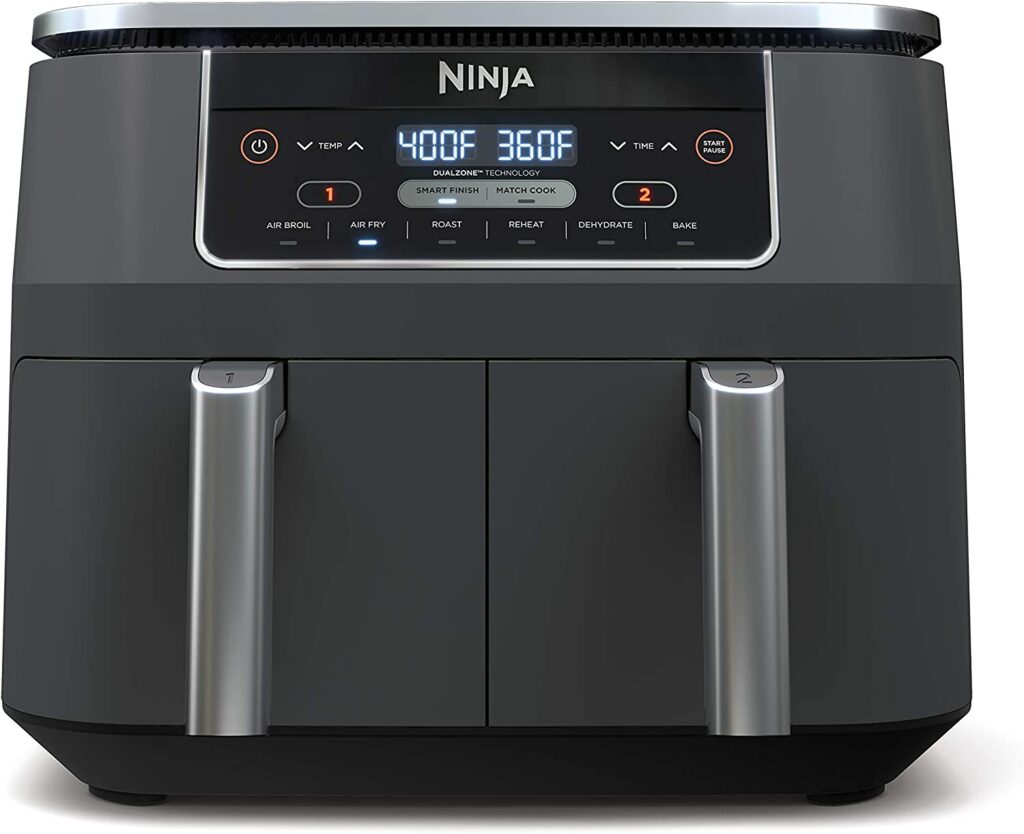
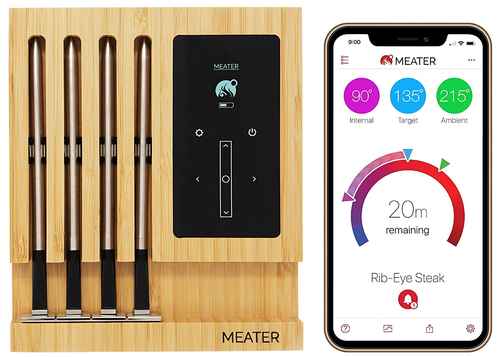
Yellowfin tuna, often celebrated for its firm texture, mild flavor, and rich nutritional profile, is a versatile fish that can be prepared in a variety of ways. Traditionally seared or grilled, this prized seafood is now finding its place in the modern kitchen through air frying. The air fryer offers a convenient, fast, and healthier alternative to pan-searing or deep-frying, providing a crisp exterior while keeping the tuna tender and juicy inside. Cooking tuna in an air fryer may seem simple, but achieving the perfect balance between doneness and moisture requires careful attention to temperature, timing, and preparation. This guide delves into all aspects of air frying Yellowfin tuna, from the ideal temperature to expert tips that ensure a flawless result every time.
Optimal Air Fryer Temperature To Cook Yellowfin Tuna In Air Fryer
Temperature control is critical when cooking Yellowfin tuna, as this fish can quickly go from perfectly seared to overcooked and dry. Air fryers are particularly efficient at circulating hot air, which cooks food rapidly, meaning even slight miscalculations in temperature can significantly impact the result.
For Yellowfin tuna, the optimal air fryer temperature ranges between 375°F (190°C) and 400°F (204°C). At 375°F, the tuna cooks more gently, allowing a slightly rare or medium-rare center while forming a light crust on the outside. Pushing the temperature to 400°F accelerates the cooking process, producing a more well-done exterior with a firmer center.
The exact temperature choice often depends on personal preference. Those who favor sushi-grade or seared tuna with a pink interior should lean toward the lower end of the spectrum, while those preferring fully cooked fish may opt for the higher end.
How Long To Cook Yellowfin Tuna In Air Fryer
Cooking time in an air fryer is equally crucial as temperature. Tuna steaks are typically 1 to 1.5 inches thick, which requires precision. For air frying:
- At 375°F (190°C): Cook for 8-10 minutes, flipping halfway through.
- At 400°F (204°C): Cook for 6-8 minutes, flipping halfway.
These times are guidelines for achieving a medium-rare to medium result. For rare tuna, slightly reduce the cooking time by 1-2 minutes; for well-done, extend it by 1-2 minutes. Overcooking is a common mistake, as tuna can quickly dry out, losing its natural moisture and delicate texture.
How To Tell If It Is Done
Unlike other fish, tuna is often served seared on the outside while remaining rare or medium-rare inside. Signs that your Yellowfin tuna is properly cooked include:
- Color: The interior should be slightly pink to deep pink for medium-rare, becoming light brown or grayish toward well-done.
- Texture: Tuna should feel firm but springy to the touch. Overcooked tuna will feel tough and dry.
- Internal Temperature: Using a food thermometer, aim for 115-120°F (46-49°C) for rare, 125°F (52°C) for medium-rare, and 140°F (60°C) for well-done.
Cutting into the tuna reveals its doneness, but a thermometer ensures precision, especially when serving guests or trying a new air fryer model.
Ingredients Needed
For a simple, flavorful air-fried Yellowfin tuna, you will need:
- 2 Yellowfin tuna steaks (approximately 6-8 oz each)
- 1-2 tablespoons olive oil
- Salt, to taste
- Black pepper, freshly ground
- Optional: garlic powder, smoked paprika, lemon zest, or fresh herbs for added flavor
Optional accompaniments include lemon wedges, soy sauce, or a light herb vinaigrette for drizzling after cooking.
How To Cook Yellowfin Tuna In Air Fryer
- Preparation: Pat the tuna steaks dry with paper towels to remove excess moisture. This ensures a crisp exterior.
- Seasoning: Lightly brush each side with olive oil and season with salt, pepper, and optional spices.
- Preheating: Preheat the air fryer to your chosen temperature (375-400°F). Preheating ensures even cooking.
- Cooking: Place the tuna steaks in the air fryer basket in a single layer, ensuring space between them. Cook for 6-10 minutes depending on temperature and desired doneness, flipping halfway through.
- Resting: Remove the tuna from the air fryer and let it rest for 2-3 minutes. Resting allows the juices to redistribute, enhancing flavor and moisture.
- Serving: Slice against the grain and serve immediately with your chosen accompaniments.
What If I Use A Different Air Fryer Temperature?
Deviating from the recommended temperature will impact both texture and doneness:
- Lower Temperature (<375°F / 190°C): Tuna will cook more slowly, potentially drying out less but taking longer to develop a seared crust.
- Higher Temperature (>400°F / 204°C): The exterior may sear too quickly, leaving the inside undercooked or unevenly done. It can also increase the risk of drying the tuna.
Adjustments to temperature must always be paired with careful monitoring of cooking time to avoid overcooking or undercooking.
What If I Use A Different Air Fryer Cooking Time?
Cooking time deviations directly affect doneness:
- Shorter Time: Tuna will be rarer inside; ideal if aiming for rare or sushi-style seared tuna.
- Longer Time: Tuna will become more well-done and may dry out if cooked excessively.
Because air fryers vary in power and airflow, always check doneness visually and, if possible, with a thermometer rather than relying solely on a preset timer.
When Things Go Wrong
Even experienced cooks can encounter issues with air-fried tuna:
- Dry or tough texture: Usually caused by overcooking or cooking at too high a temperature. Reduce cooking time or temperature next attempt.
- Uneven cooking: May result from overcrowding the basket or not flipping the tuna. Ensure single-layer cooking and flip halfway.
- Lack of sear: Ensure the tuna is dry before air frying and use a slightly higher temperature to achieve a crisp exterior.
Expert Tips
- Pat Dry: Always dry tuna before seasoning; moisture prevents a good crust.
- Single Layer Cooking: Overcrowding reduces air circulation, causing uneven cooking.
- Rest Before Serving: Letting tuna rest after air frying retains juices.
- Use a Thermometer: Ensures precise doneness, especially if cooking to rare or medium-rare.
- Experiment with Marinades: Soy sauce, sesame oil, and citrus can enhance flavor without affecting cooking time significantly.
FAQs
How Long Should I Cook Yellowfin Tuna In The Air Fryer?
Yellowfin tuna steaks typically cook in 8-12 minutes at 380°F (193°C), depending on thickness and desired doneness. Thicker steaks or well-done tuna may require an additional 1-2 minutes.
Do I Need To Marinate Yellowfin Tuna Before Air Frying?
Marinating is optional but recommended, as it enhances flavor and helps keep the tuna moist. A simple marinade with olive oil, soy sauce, lemon juice, and garlic works well. Marinate for 15-30 minutes.
Should I Preheat The Air Fryer Before Cooking Yellowfin Tuna?
Yes, preheating the air fryer for 3-5 minutes ensures even cooking and helps develop a lightly seared exterior on the tuna.
How Do I Prevent Yellowfin Tuna From Drying Out In The Air Fryer?
Avoid overcooking, lightly coat the tuna with oil, and monitor internal temperature. Tuna is best when cooked to medium-rare to medium, reaching about 125-135°F (52-57°C).
Can I Cook Frozen Yellowfin Tuna In The Air Fryer?
Yes, but increase the cooking time to 12-16 minutes and flip halfway through. For best texture and seasoning absorption, thaw the tuna before cooking.
What Seasonings Work Best For Air-fried Yellowfin Tuna?
Simple blends like salt, pepper, garlic powder, paprika, lemon zest, and a drizzle of oil are effective. For a bolder flavor, use soy sauce, sesame oil, or Cajun seasoning.
Do I Need To Flip The Tuna During Air Frying?
Flipping halfway through promotes even cooking and better browning, especially for tuna steaks thicker than 1 inch.