
How To Dehydrate Bananas In Ninja Air Fryer [FULL GUIDE]
Recommended Equipments:
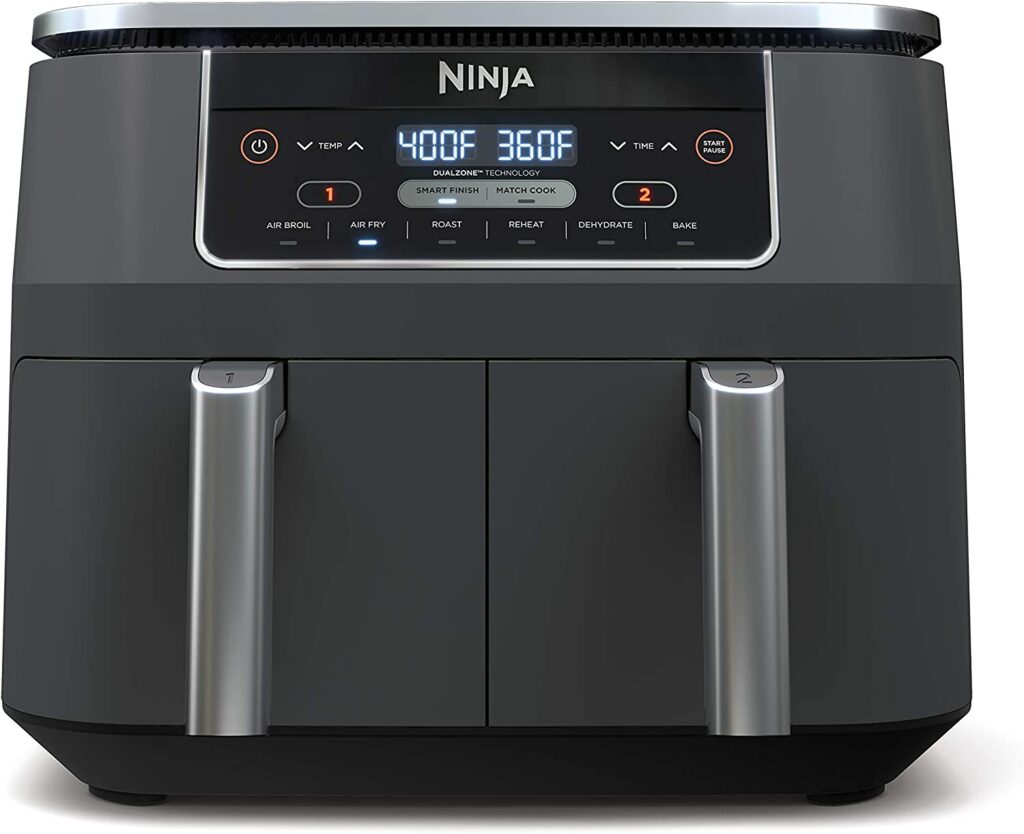
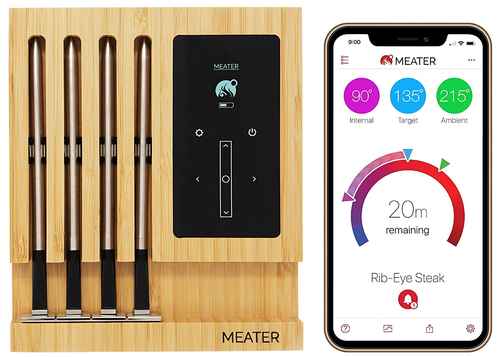
Dehydrating bananas is a simple yet rewarding way to preserve this naturally sweet fruit while creating a versatile snack. Whether you are preparing a portable snack for hiking, adding a naturally sweet ingredient to cereals, or creating a crunchy addition to baked goods, dehydrated bananas are a healthy and convenient option. Using a Ninja Air Fryer to dehydrate bananas is particularly appealing because it combines speed, efficiency, and precision temperature control, allowing you to achieve consistently delicious results. Unlike traditional ovens or dehydrators, the Ninja Air Fryer circulates hot air evenly, reducing drying time and maintaining the natural flavor of bananas without requiring added sugars or preservatives.
Optimal Air Fryer Temperature To Dehydrate Bananas In Ninja Air Fryer
Temperature control is the most critical factor when dehydrating bananas. Setting the temperature too high can cause the bananas to brown excessively or burn, while a temperature that is too low can leave them sticky or inadequately dried. For the Ninja Air Fryer, the optimal temperature for dehydrating bananas ranges between 135°F to 145°F (57°C to 63°C). This low and steady heat allows the moisture to evaporate gradually, preserving the banana’s natural sweetness and preventing tough or rubbery textures. Some Ninja Air Fryer models have a dedicated ’Dehydrate’ function, which automatically maintains a low, consistent temperature, making it ideal for this process.
How Long To Dehydrate Bananas In Ninja Air Fryer
The drying time for bananas varies depending on their thickness, ripeness, and water content. On average, banana slices about 1/4 inch thick take 6 to 10 hours to dehydrate fully in a Ninja Air Fryer at the optimal temperature. Thicker slices or less ripe bananas may require additional time, while thinner, fully ripe slices may finish closer to the 6-hour mark. To ensure even drying, it’s best to flip the slices halfway through the process, allowing air to circulate around each piece and promote uniform dehydration.
How To Tell If It Is Done
Determining if bananas are properly dehydrated requires a combination of visual inspection and texture testing:
- Appearance: Properly dehydrated bananas will have a uniformly golden-brown or light tan color. They should appear slightly translucent around the edges, but not dark or burnt.
- Texture: Fully dried banana slices should be leathery yet pliable, with no moist or sticky spots. When cooled, they should snap or break easily but not crumble into powder.
- Moisture Test: If you press a slice and it feels sticky or releases moisture, it needs more time. Conversely, if the slices are extremely brittle and break into tiny pieces, the temperature may have been slightly too high.
Ingredients Needed
Dehydrating bananas is delightfully simple and requires minimal ingredients:
- Ripe Bananas: 2-4 medium-sized bananas, preferably yellow with minimal brown spots for optimal sweetness.
- Lemon Juice (Optional): 1-2 teaspoons to prevent browning and maintain color.
- Cinnamon or Spices (Optional): For added flavor.
That’s it! No sugar, oils, or preservatives are necessary, though optional enhancements can elevate flavor.
How To Dehydrate Bananas In Ninja Air Fryer
- Preparation: Peel the bananas and slice them evenly into 1/4-inch thick rounds. For a larger batch, maintain uniform thickness to ensure even drying.
- Optional Pre-Treatment: Lightly brush slices with lemon juice to prevent discoloration. You may also sprinkle cinnamon for extra flavor.
- Arrange Slices: Place banana slices in a single layer on the air fryer basket or tray, ensuring they do not overlap. Proper airflow is essential for even dehydration.
- Set Temperature and Time: Preheat the Ninja Air Fryer to 135°F-145°F and set the timer for 6-10 hours depending on slice thickness and ripeness.
- Flip Slices: About halfway through the dehydration process, flip the banana slices to promote even drying.
- Check for Doneness: Use the visual and texture cues described above. If needed, continue dehydrating in 30-60 minute increments until fully dry.
- Cool and Store: Once done, allow slices to cool completely before storing them in an airtight container at room temperature. For long-term storage, consider vacuum-sealing or refrigeration.
What If I Use A Different Air Fryer Temperature?
Using a higher temperature may drastically reduce drying time but increases the risk of uneven dehydration, burning, or a tough, rubbery texture. Conversely, using a lower temperature can extend drying time significantly but will better preserve the banana’s flavor and nutritional integrity. A slightly higher temperature (around 155°F-160°F) may work for thinner slices but requires careful monitoring. Always prioritize gradual drying for optimal taste and texture.
What If I Use A Different Air Fryer Cooking Time?
Shortening the cooking time may leave slices moist or sticky, making them prone to spoilage. Extending the time beyond necessary can cause over-drying, making slices brittle and potentially bitter. Because bananas vary in ripeness and moisture content, it’s best to treat the recommended 6-10 hour range as a guideline and adjust based on visual and tactile inspection rather than strictly following the clock.
When Things Go Wrong
Even experienced users encounter challenges when dehydrating bananas:
- Sticky Slices: Likely caused by too thick slices or insufficient drying time. Extend drying and flip slices more frequently.
- Uneven Drying: Occurs when slices overlap or airflow is blocked. Ensure a single layer and check periodically.
- Dark/Burnt Slices: Usually from high temperatures. Lower the temperature and monitor closely.
- Loss of Flavor: Can happen if slices are over-dried. Remove once the leathery texture is achieved to preserve natural sweetness.
Expert Tips
- Uniform Slicing: Use a mandoline slicer for perfectly even banana slices.
- Batch Size: Avoid overcrowding the basket; air circulation is essential.
- Rotate Trays: If your Ninja Air Fryer has multiple trays, rotate them periodically to prevent uneven drying.
- Storage: Store dehydrated bananas in a cool, dark place in airtight containers to maintain crispness.
- Flavor Enhancements: Experiment with a light sprinkle of cinnamon, nutmeg, or vanilla extract before drying for a gourmet twist.
FAQs
How Do I Prepare Bananas For Dehydrating In A Ninja Air Fryer?
Peel the bananas, slice them evenly into 1/4-inch rounds or lengthwise strips, and lightly coat them with lemon juice to prevent browning before placing them on the dehydrator racks.
What Temperature Should I Use To Dehydrate Bananas In A Ninja Air Fryer?
Most Ninja air fryer models with a Dehydrate setting will run at 135°F to 150°F. If your model allows manual selection, set it to 135°F for best results.
How Long Does It Take To Dehydrate Bananas In A Ninja Air Fryer?
Dehydration typically takes 6 to 10 hours depending on slice thickness, humidity, and the specific Ninja model. Thinner slices dry faster.
Do I Need To Flip The Banana Slices During Dehydration?
Flipping is not strictly required but can help ensure even drying, especially if slices vary in thickness or if airflow is uneven. Flip them once around the halfway mark.
How Do I Know When The Banana Chips Are Fully Dehydrated?
Properly dehydrated bananas will feel dry, leathery, and slightly pliable with no visible moisture. If they are still sticky or soft, they need more time.
Can I Dehydrate Bananas Without Using Lemon Juice?
Yes, but the bananas may darken due to oxidation. Lemon juice or a mild citric acid solution helps preserve color without affecting taste.
How Should I Store Dehydrated Bananas For Freshness?
Allow the bananas to cool completely, then store them in airtight containers or vacuum-sealed bags. Keep them in a cool, dark place. For long-term storage, use oxygen absorbers.