
How To Dehydrate Fruit In Air Fryer [FULL GUIDE]
Recommended Equipments:
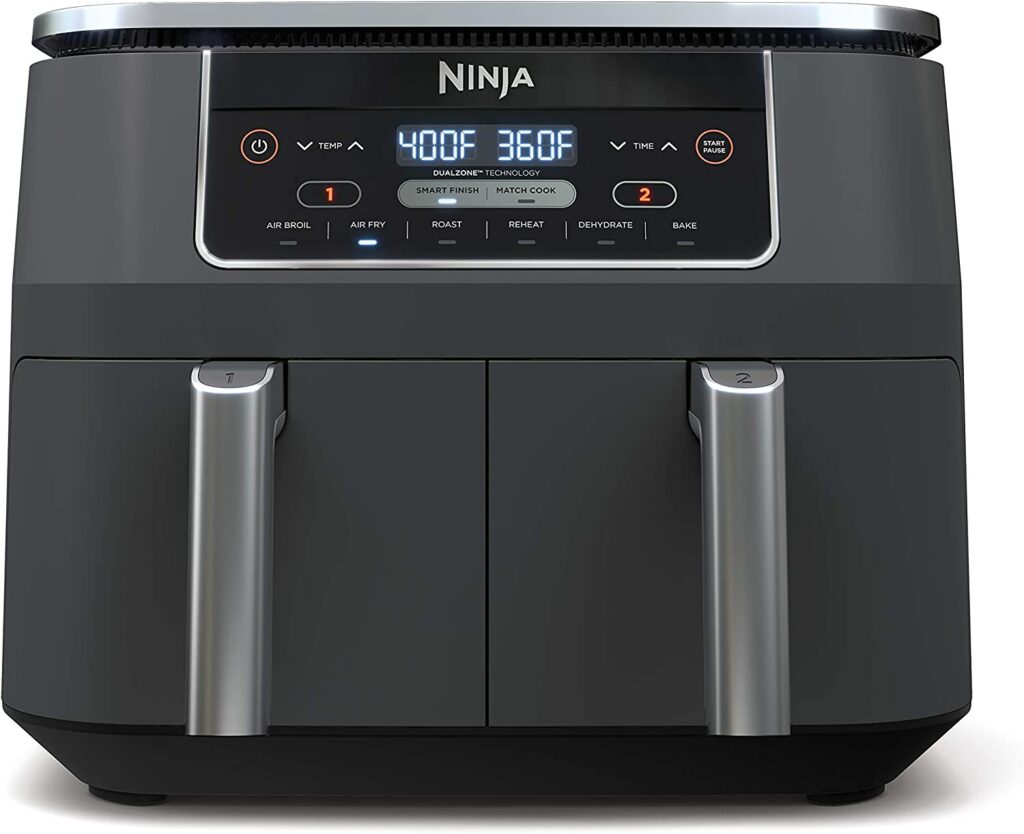

Dehydrating fruit is an age-old preservation method that transforms fresh produce into a concentrated, shelf-stable snack bursting with flavor. While traditional methods such as sun-drying or using dedicated dehydrators have been staples in homes for decades, the modern kitchen has introduced a quicker, more accessible alternative: the air fryer. Beyond its reputation for creating crispy fries and perfectly roasted vegetables, the air fryer’s circulating hot air makes it an ideal tool for dehydrating fruit efficiently. The process retains much of the fruit’s natural sweetness, flavor, and nutrients, offering a portable snack that’s perfect for on-the-go lifestyles, hiking, or simply a healthy addition to your pantry. With the right techniques, anyone can achieve perfectly dried fruit, transforming apples, mangoes, strawberries, and more into chewy, sweet, and concentrated treats.
Optimal Air Fryer Temperature To Dehydrate Fruit In Air Fryer
Temperature control is the cornerstone of successful fruit dehydration in an air fryer. Unlike cooking or roasting, dehydrating requires low, consistent heat over an extended period to remove moisture without cooking or caramelizing the fruit. The ideal air fryer temperature for dehydrating fruit ranges between 120°F to 140°F (50°C to 60°C). Temperatures above this range risk cooking the fruit, causing uneven dehydration, caramelization, or even burning, while temperatures below may prolong the process excessively, leading to sticky, partially dried fruit.
Many air fryers do not display such low temperatures natively, so it’s crucial to monitor your appliance closely. Some models allow incremental settings that mimic dehydrator functions, but for units that start at 160°F or higher, a strategy such as opening the basket intermittently to release heat or using a lower fan setting (if available) can help maintain a safe dehydration range.
How Long To Dehydrate Fruit In Air Fryer
Dehydration is more about patience than speed. Unlike roasting, which takes minutes, drying fruit is a slow transformation, generally taking 2 to 6 hours depending on the type, thickness, and water content of the fruit.
- Apples and Pears: 4-6 hours, sliced 1/8-1/4 inch thick.
- Mangoes and Pineapples: 3-5 hours, sliced thinly to maximize surface area.
- Strawberries and Berries: 2-4 hours, halved or thinly sliced.
- Bananas: 2-3 hours, sliced into rounds or lengthwise strips.
Regularly checking the fruit is essential to avoid overdrying. Thinner slices dry faster, while larger or thicker pieces require extended time.
How To Tell If It Is Done
Determining doneness is both visual and tactile:
- Texture Test: Properly dehydrated fruit should feel leathery and pliable, not sticky or wet. Some fruits, like apples or mangoes, may have a slight chewiness, while berries can become crisp.
- Moisture Check: Cut or tear a piece in half. If any visible moisture remains or the fruit feels soft in the center, it needs more time.
- Cooling Test: Fruit continues to dry slightly as it cools. Remove a small sample, let it cool, and then feel for flexibility and dryness.
Ingredients Needed
Dehydrating fruit is refreshingly simple, requiring minimal ingredients:
- Fresh, ripe fruit (apples, pears, mangoes, bananas, berries, pineapples, etc.)
- Optional: Lemon juice or citric acid (to prevent browning in fruits like apples or pears)
- Optional: Light sweeteners or spices like cinnamon for flavor variations
No oils or added water are required, as dehydration relies solely on removing the fruit’s natural moisture.
How To Dehydrate Fruit In Air Fryer
- Preparation: Wash, peel (if necessary), and slice fruit evenly. Uniform thickness ensures consistent drying.
- Prevent Browning: Toss slices lightly with lemon juice if using apples, pears, or peaches.
- Arrange in Air Fryer: Lay fruit in a single layer in the air fryer basket, ensuring pieces don’t overlap. Overlapping can trap moisture and slow drying.
- Set Temperature: Preheat your air fryer to 120-140°F (50-60°C).
- Dehydrate: Air fry the fruit, checking every 30-60 minutes. Rotate or flip slices halfway through for even dehydration.
- Check for Doneness: Use tactile and visual cues as described above.
- Cool and Store: Allow fruit to cool completely before storing in airtight containers. Properly dried fruit can last several months when kept in a cool, dry place.
What If I Use A Different Air Fryer Temperature?
Raising the temperature above the recommended range accelerates drying but carries risks:
- Fruit may cook rather than dehydrate, creating a mushy texture or caramelization.
- Uneven drying may occur, with edges drying faster than the center.
- Nutrient degradation and flavor alteration may happen.
Conversely, setting the temperature too low slows the process drastically and may encourage spoilage if moisture isn’t sufficiently removed. Staying within the 120-140°F range is optimal for both quality and safety.
What If I Use A Different Air Fryer Cooking Time?
Extending or shortening drying time affects texture and preservation:
- Shorter time: Fruit will remain moist and could mold during storage.
- Longer time: Fruit may become overly brittle, making it difficult to chew and potentially losing some flavor.
Always check at regular intervals rather than relying strictly on the timer; dehydration is more an art than an exact science.
When Things Go Wrong
Even with careful attention, problems can arise:
- Sticky or damp fruit: Slice thinner, increase air circulation, or extend drying time.
- Burnt edges: Lower temperature and flip pieces more frequently.
- Uneven drying: Ensure slices are uniform in thickness and not overlapping.
- Off flavors or discoloration: Avoid using overripe fruit or those with chemical coatings; a light lemon soak can prevent oxidation in susceptible fruits.
Expert Tips
- Uniform Slices: Use a mandoline for consistent thickness; this ensures even dehydration.
- Batch Testing: Dry a small batch first to fine-tune temperature and timing for your specific air fryer model.
- Storage: Use airtight containers or vacuum-sealed bags to extend shelf life. Keep away from light and heat.
- Flavor Boost: Sprinkle cinnamon, nutmeg, or a touch of salt for gourmet dried fruit snacks.
- Layering with Parchment: Place parchment paper under fruit to prevent sticking without obstructing airflow.
FAQs
What Types Of Fruit Can I Dehydrate In An Air Fryer?
Most fruits can be dehydrated in an air fryer, including apples, bananas, mangoes, strawberries, pineapples, and peaches. Fruits with high water content like watermelon or citrus may require longer dehydration times or may not dry evenly.
Do I Need To Peel Or Slice The Fruit Before Dehydrating?
Yes, it is recommended to peel fruits with thick or bitter skins (such as mangoes or pineapples) and slice all fruits evenly, about 1/8 to 1/4 inch thick. Uniform slices ensure even drying and prevent some pieces from overcooking while others remain moist.
Should I Pre-treat Fruit Before Air Fryer Dehydration?
Pre-treating fruits can help preserve color and texture. For example, dipping apple or pear slices in lemon juice or ascorbic acid solution prevents browning. Blanching certain fruits like peaches can also help maintain their quality during dehydration.
What Temperature And Time Settings Should I Use?
A common range is 120-140°F (50-60°C) for 4-8 hours, depending on the fruit and thickness of slices. Air fryer models vary, so it’s best to check periodically. Start with a lower temperature and longer duration to prevent burning or uneven drying.
How Do I Know When The Fruit Is Fully Dehydrated?
Properly dehydrated fruit should be pliable and slightly leathery, with no visible moisture. Fruits should not feel sticky or overly soft. Some fruits, like apples, may crisp more as they cool, so allow them to rest before testing.
Can I Store Dehydrated Fruit At Room Temperature?
Yes, if the fruit is completely dehydrated, it can be stored in airtight containers at room temperature for several weeks. For longer storage, keep it in a cool, dry place or refrigerate/freezer in sealed containers to prevent moisture absorption and spoilage.
Are There Any Safety Tips For Dehydrating Fruit In An Air Fryer?
Always ensure the air fryer basket is not overcrowded to allow proper airflow. Avoid using fruits with high sugar content at high temperatures as they can burn. Monitor the process regularly and clean the air fryer thoroughly afterward to prevent residue buildup, which could affect future cooking.