
How To Dehydrate Fruit In Ninja Foodi Air Fryer [FULL GUIDE]
Recommended Equipments:
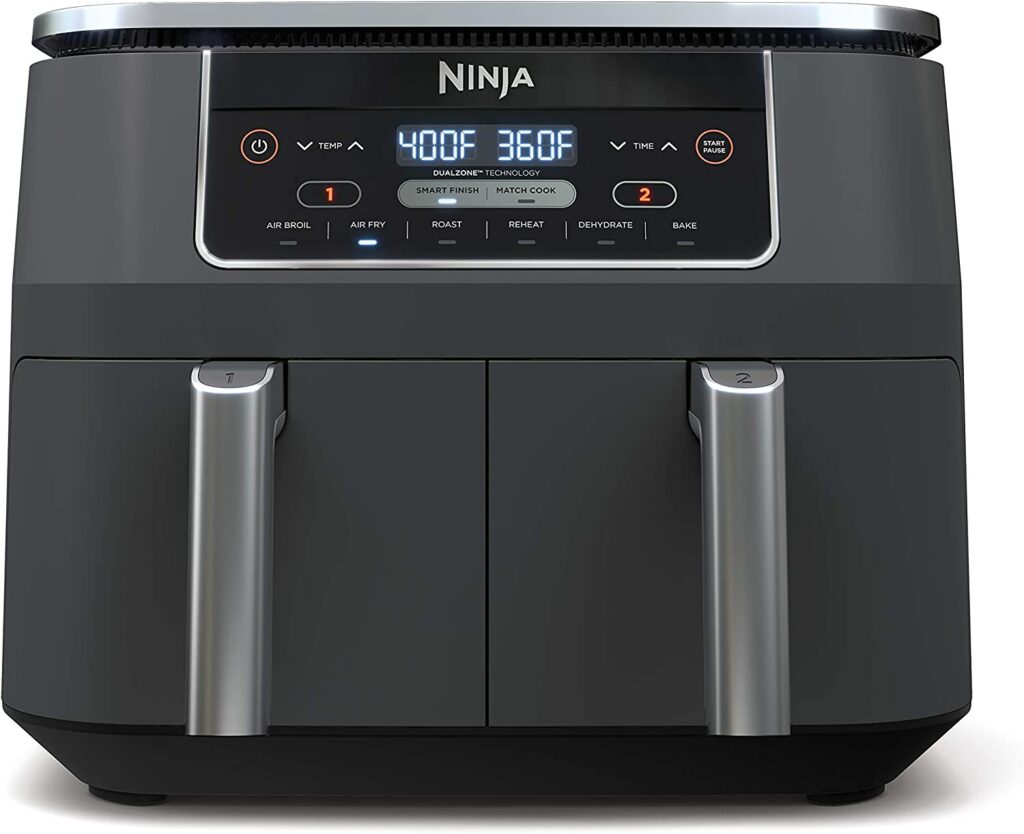
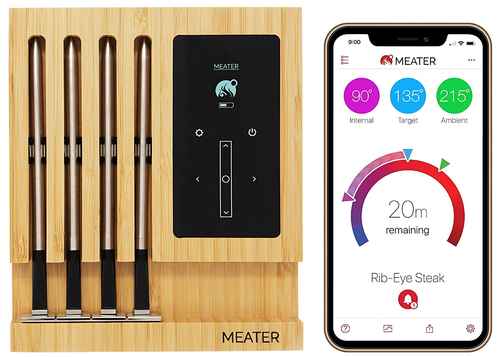
Dehydrating fruit is an art that marries science and culinary creativity. It transforms ordinary fresh produce into nutrient-dense, portable, and naturally sweet snacks. Unlike traditional methods, which often require hours of sun exposure or bulky dehydrators, the Ninja Foodi Air Fryer offers a compact, efficient, and surprisingly precise solution for drying fruit at home. With its controlled airflow, consistent heat, and multiple cooking functions, the Ninja Foodi can produce dehydrated fruit that retains vibrant color, intense flavor, and most importantly, the nutritional integrity of the original produce. Whether you’re crafting tangy apple chips, chewy mango slices, or sweet strawberries, understanding the nuances of air fryer dehydration can elevate your homemade snacks from good to exceptional.
Optimal Air Fryer Temperature To Dehydrate Fruit In Ninja Foodi Air Fryer
Temperature control is critical when dehydrating fruit because too high a temperature can cook the fruit instead of drying it, while too low may leave it soggy or unevenly dried. The Ninja Foodi Air Fryer excels because it allows precise temperature regulation. For most fruits, an optimal dehydration temperature ranges between 125°F to 135°F (52°C to 57°C).
- Soft fruits like berries: Lower temperatures closer to 125°F help preserve delicate textures.
- Denser fruits like apples or pears: Temperatures around 130-135°F ensure moisture removal without caramelizing sugars too quickly.
Using this range ensures gentle evaporation of water while keeping enzymes and nutrients intact. The Ninja Foodi’s convection-like airflow ensures uniform drying, preventing unevenly dehydrated patches that are common in traditional oven drying.
How Long To Dehydrate Fruit In Ninja Foodi Air Fryer
Dehydration is a slow, meticulous process that depends on fruit type, slice thickness, and water content. Approximate dehydration times in a Ninja Foodi Air Fryer are:
- Apple slices (1/8-1/4 inch thick): 6-8 hours
- Pineapple slices: 8-10 hours
- Strawberries (halved): 6-8 hours
- Mango slices: 6-9 hours
- Banana slices: 6-8 hours
Thicker slices or high-water-content fruits like watermelon or peaches may require longer drying periods. Patience is key; rushing the process can result in sticky or unevenly dried fruit. For optimal results, check periodically, especially after the 5-6 hour mark, to gauge progress.
How To Tell If It Is Done
Determining if fruit is fully dehydrated requires a combination of visual cues and tactile assessment:
- Texture: Properly dehydrated fruit should feel pliable but not sticky. For crisp fruits like apples or pears, they should break or snap when bent.
- Moisture check: There should be no visible liquid or damp spots. For fruits that remain chewy, a slight bend without tearing is ideal.
- Uniformity: All pieces should have consistent dryness; unevenly dried fruit can harbor mold if stored.
A simple test is to let a piece cool for 10-15 minutes and then try bending it. If it folds without tearing but doesn’t feel wet, it’s ready.
Ingredients Needed
Dehydrating fruit is wonderfully simple because it requires minimal ingredients:
- Fresh, ripe fruit (apples, bananas, mangoes, strawberries, pineapples, etc.)
- Optional: Lemon juice or ascorbic acid (to prevent browning in apples, pears, and peaches)
- Optional: Spices like cinnamon or nutmeg for added flavor
No oil, sugar, or preservatives are necessary, making this a healthy and clean snack option.
How To Dehydrate Fruit In Ninja Foodi Air Fryer
- Prepare the fruit: Wash thoroughly and peel if desired. Slice evenly to ensure consistent drying.
- Optional pre-treatment: Toss apple or pear slices in a mixture of lemon juice and water (1:4 ratio) for 5 minutes to prevent browning.
- Arrange slices: Place the fruit slices in a single layer on the air fryer basket or rack. Avoid overlapping to ensure proper airflow.
- Set temperature: Preheat the Ninja Foodi to 130°F (adjust based on fruit type).
- Dehydrate: Insert the basket and set the timer according to fruit type and thickness. Check periodically after 5-6 hours.
- Cool and store: Once fully dried, allow the fruit to cool completely. Store in airtight containers in a cool, dark place for up to 6 months.
What If I Use A Different Air Fryer Temperature?
- Too high: Temperatures above 140°F risk cooking the fruit instead of dehydrating it. This can lead to caramelization, browning, or a hard, brittle texture.
- Too low: Temperatures below 120°F may not remove sufficient moisture, leaving fruit susceptible to spoilage or mold growth.
Fine-tuning the temperature ensures that fruit dries evenly while retaining flavor and nutrients.
What If I Use A Different Air Fryer Cooking Time?
- Too short: Fruit may remain moist, sticky, or unevenly dried, which increases the risk of spoilage during storage.
- Too long: Over-drying can produce brittle, almost leather-like fruit, which may be harder to chew and less flavorful.
Always monitor the fruit, especially when experimenting with unfamiliar types or thicknesses, to strike the perfect balance between chewiness and crispness.
When Things Go Wrong
Even with careful attention, things can go awry:
- Uneven drying: Usually caused by overcrowding or uneven slice thickness. Solution: Use thinner, uniform slices and avoid stacking.
- Fruit too sticky or moist: Likely due to insufficient drying time or low temperature. Extend dehydration time and ensure optimal temperature.
- Discoloration: Common in apples and pears without lemon juice treatment. While not harmful, pre-treatment prevents this.
Keeping a record of temperature, slice thickness, and time can prevent repeated issues.
Expert Tips
- Slice fruit uniformly to ensure even drying.
- Rotate the air fryer basket halfway through dehydration for consistent airflow.
- Use parchment paper for sticky fruits like mango to prevent sticking to the basket.
- Store dehydrated fruit in airtight containers with silica gel packets to prolong shelf life.
- Experiment with spice coatings for flavor variation, e.g., cinnamon on apple slices or chili powder on mango.
FAQs
What Types Of Fruit Can I Dehydrate In A Ninja Foodi Air Fryer?
You can dehydrate a wide variety of fruits including apples, bananas, strawberries, peaches, pineapples, and mangoes. Softer fruits like berries may require slicing or blanching to ensure even dehydration, while denser fruits like apples and pears should be sliced uniformly to achieve consistent results.
How Should I Prepare Fruit Before Dehydrating It In The Ninja Foodi?
Wash all fruits thoroughly, peel if necessary, and remove any seeds or cores. Slice the fruit evenly, ideally 1/4 inch thick, to promote uniform drying. For fruits prone to browning, such as apples or pears, dipping them briefly in a lemon water solution (1 part lemon juice to 4 parts water) can help preserve color.
What Temperature And Time Settings Should I Use For Dehydrating Fruit?
Most fruits dehydrate well at 135°F (57°C) to 140°F (60°C) using the air fryer’s dehydrator or low heat setting. Dehydration times vary by fruit and slice thickness, generally ranging from 6 to 12 hours. It is recommended to check periodically for desired dryness, which should result in pliable yet firm slices without moisture.
Do I Need To Use Any Trays Or Accessories In The Ninja Foodi?
Yes, using the provided air fryer or dehydrator trays is essential. Arrange fruit slices in a single layer without overlapping to ensure proper air circulation and even dehydration. If your Ninja Foodi has multiple stackable trays, you can use them simultaneously, but rotate trays occasionally to ensure consistent drying.
How Do I Know When The Fruit Is Fully Dehydrated?
Fully dehydrated fruit should be leathery or slightly crisp, depending on the fruit type, and should not contain any visible moisture. A properly dried fruit will bend without breaking immediately and should not feel sticky or wet. Thicker slices may require additional drying time, so periodic checks are recommended.
Can I Store Dehydrated Fruit Without Refrigeration?
Yes, dehydrated fruit can be stored at room temperature if completely dried. Place the fruit in an airtight container, such as a glass jar or vacuum-sealed bag, and keep it in a cool, dark place. For longer shelf life, refrigeration or freezing is recommended, especially in humid environments.
Are There Any Tips To Improve Flavor Or Texture When Dehydrating Fruit?
To enhance flavor, you can lightly sprinkle fruits with cinnamon, nutmeg, or a small amount of sugar before dehydration. Avoid using oils, as they can interfere with drying. Uniform slicing, adequate air circulation, and rotating trays if necessary will improve texture, producing evenly dried, chewy, or crisp pieces depending on preference.