How To Dehydrate Jerky In Air Fryer [FULL GUIDE]
Recommended Equipments:
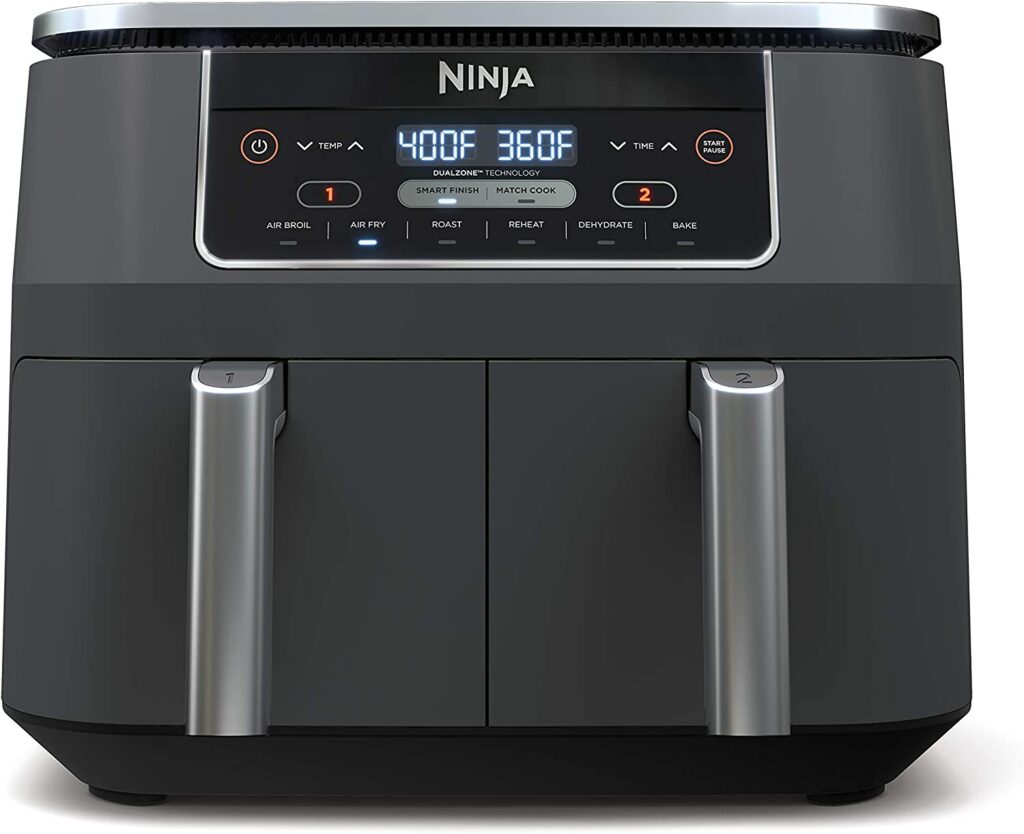
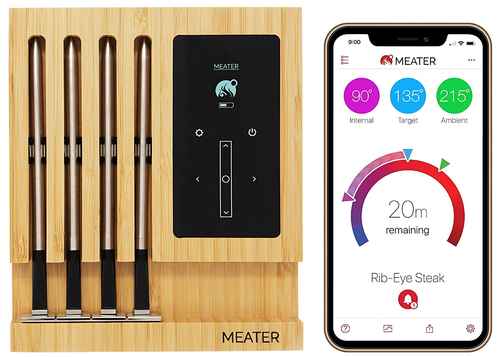
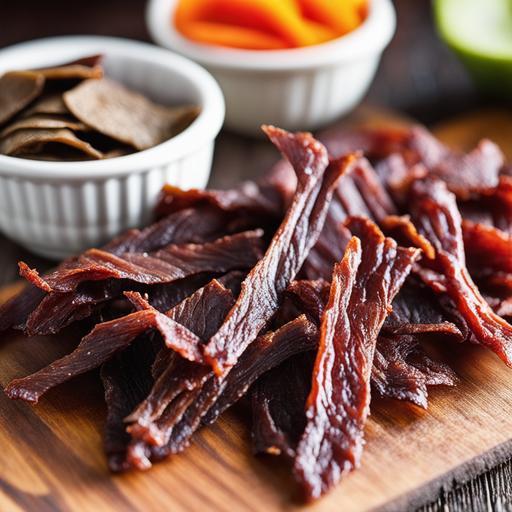
Jerky is a timeless snack, prized for its portability, high protein content, and long shelf life. Traditionally, beef, turkey, or other meats are cured and dried using specialized dehydrators or low-temperature ovens, but modern kitchens are increasingly turning to air fryers for this task. The appeal is obvious: air fryers circulate hot air at high speed, mimicking the drying effect of a dehydrator while cutting down on cooking time and energy use. However, drying jerky in an air fryer requires a careful balance of temperature, time, and preparation to achieve the perfect chewy, flavorful texture without undercooking or over-drying the meat. This guide dives deep into every aspect of the process, from selecting the right temperature to troubleshooting mishaps.
Optimal Air Fryer Temperature To Dehydrate Jerky In Air Fryer
The key to successful jerky in an air fryer is low, consistent heat. Unlike cooking or frying, dehydrating is about slowly removing moisture without cooking the meat fully. Most air fryers can reach higher temperatures, so it’s essential to dial down to the right range.
Recommended Temperature
- 160-175°F (71-79°C) is ideal for most meats.
- Some air fryers may not go this low, in which case use the lowest possible setting and extend drying time.
Maintaining a steady temperature ensures that the meat dries evenly, reducing the risk of bacterial growth and preventing the exterior from becoming overly crisp while the interior remains under-dried.
How Long To Dehydrate Jerky In Air Fryer
Time is just as crucial as temperature. Air fryer drying times vary depending on the thickness of your meat slices, moisture content, and air fryer model.
General Guidelines
- Thin slices (1/8 inch): 2-3 hours
- Medium slices (1/4 inch): 3-4 hours
- Thick slices (1/2 inch): 4-5 hours
Tip: Check every 30-60 minutes after the initial 2 hours to ensure the jerky isn’t drying unevenly or cooking too quickly.
How To Tell If It Is Done
Perfectly dehydrated jerky is firm, pliable, and slightly chewy without being brittle. Signs of doneness:
- Flex Test: Bend the jerky; it should bend and crack slightly but not snap.
- Surface Check: The exterior should look dry and slightly darker than raw meat, but not burnt.
- Moisture Test: There should be no visible moisture when slicing into the jerky.
Over-dried jerky becomes brittle, while under-dried jerky is soft, sticky, and prone to spoilage.
Ingredients Needed
To make flavorful jerky, you’ll need a combination of meat, seasonings, and curing agents:
- Meat: Beef, turkey, venison, chicken, or pork (lean cuts are best)
- Marinade Ingredients: Soy sauce, Worcestershire sauce, liquid smoke, brown sugar, garlic powder, onion powder, black pepper, paprika, or chili flakes
- Optional: Salt for curing, honey for a touch of sweetness, or additional spices for custom flavor
Tip: Trim visible fat from meat, as fat doesn’t dehydrate well and can cause rancidity.
How To Dehydrate Jerky In Air Fryer
- Slice the Meat: Cut into uniform strips, about 1/4 inch thick. Partially freezing the meat for 30-45 minutes makes slicing easier.
- Marinate: Combine marinade ingredients and soak the meat for 4-12 hours in the refrigerator. Longer marination = more flavor.
- Prepare Air Fryer: Set the temperature to 160-175°F (71-79°C). Arrange the meat strips in a single layer on the air fryer basket or tray without overlapping.
-
Drying Process
- Air fry for 2-5 hours depending on thickness.
- Flip or rotate halfway through for even drying.
- Check Doneness: Use the flex and moisture tests described above.
- Cool & Store: Let jerky cool completely. Store in airtight containers or vacuum-sealed bags for up to 2 weeks at room temperature, or longer in the fridge.
What If I Use A Different Air Fryer Temperature?
Using a higher temperature will cook the jerky instead of slowly dehydrating it, producing a crispy exterior and potentially uneven drying.
- Too high (>200°F / 93°C): Risk of overcooked edges and a chewy, raw center.
- Too low (<150°F / 65°C): Drying may be inconsistent and unsafe for bacterial growth.
Always aim for the temperature sweet spot of 160-175°F (71-79°C).
What If I Use A Different Air Fryer Cooking Time?
Time and thickness are interdependent:
- Too short: Jerky will retain moisture, making it unsafe for long-term storage.
- Too long: Jerky will become brittle, flavor may intensify, but the texture will be unpleasant.
Monitor closely, especially during your first attempt, adjusting based on slice thickness and moisture content.
When Things Go Wrong
Common jerky issues:
- Brittle jerky: Reduce drying time or lower the temperature next batch.
- Too soft/sticky: Increase drying time slightly; ensure meat is fully sliced and not too thick.
- Uneven drying: Check for overlapping strips, rotate trays, or flip halfway through.
- Off smell/taste: May indicate poor meat quality or inadequate drying-discard to avoid foodborne illness.
Expert Tips
- Freeze Slightly Before Slicing: Makes uniform cuts easier.
- Single Layer Matters: Air circulation is key for even drying.
- Use a Wire Rack: Allows air to circulate under the meat for more even dehydration.
- Pat Dry After Marinade: Reduces excess moisture on the surface, speeding up drying.
- Store Properly: Cool completely before sealing; vacuum-sealing extends shelf life.
FAQs
Can I Dehydrate Jerky In Any Air Fryer?
Most air fryers can dehydrate jerky, but results may vary depending on the model and available temperature settings. It is best to use an air fryer that allows low-temperature control, ideally between 160°F to 180°F, which is optimal for dehydrating meat safely without cooking it too quickly.
How Do I Prepare Meat For Air Fryer Jerky?
Begin by selecting lean cuts of meat, such as beef, turkey, or venison. Trim excess fat to prevent spoilage. Slice the meat into thin, uniform strips, about 1/8 to 1/4 inch thick. Marinate or season the strips according to preference for several hours or overnight to enhance flavor and tenderize the meat before dehydration.
What Temperature And Time Should I Use For Dehydrating Jerky In An Air Fryer?
Set the air fryer to a low temperature, generally around 160°F (70°C). Dehydration typically takes 2 to 4 hours, depending on the thickness of the meat and the air fryer model. Check periodically and rotate or rearrange strips to ensure even drying. The jerky is done when it is dry, firm, and slightly pliable but not brittle.
Do I Need To Flip The Jerky During Dehydration?
Yes, flipping the jerky strips halfway through the dehydration process ensures even drying. Some air fryers circulate air more efficiently than others, so flipping and rearranging may be necessary to prevent uneven texture or partially moist sections.
How Can I Tell If My Jerky Is Fully Dehydrated And Safe To Store?
Properly dehydrated jerky should be dry to the touch, with no visible moisture inside the strips. It should bend and crack slightly without breaking in half. To ensure safety, especially if storing at room temperature, it is recommended to heat the meat to at least 160°F during preparation to kill bacteria before or during the dehydration process.
What Is The Best Way To Store Air Fryer Jerky?
Once fully dehydrated and cooled, store jerky in an airtight container or vacuum-sealed bag. For short-term storage, keep it in a cool, dry place for up to 2 weeks. For longer storage, refrigerate for 1-2 months or freeze for up to 6 months to maintain quality and prevent spoilage.
Can I Dehydrate Other Types Of Meat Besides Beef In An Air Fryer?
Yes, lean meats such as turkey, chicken, venison, or even fish can be dehydrated in an air fryer using similar techniques. Each meat type may require slightly different dehydration times due to differences in thickness, moisture content, and fat content. Always ensure the internal temperature reaches a safe level to prevent bacterial growth.