
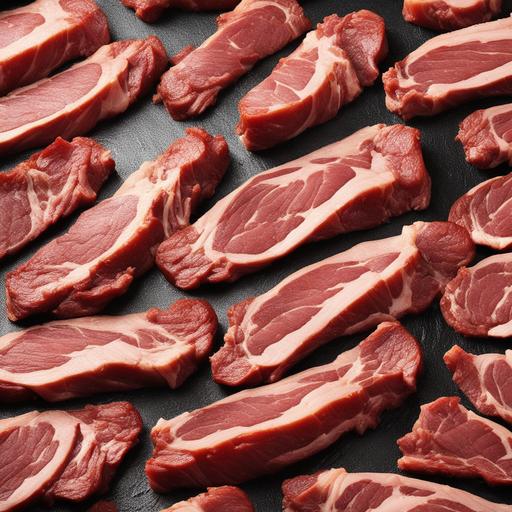
How To Dehydrate Meat In Air Fryer [FULL GUIDE]
Recommended Equipments:
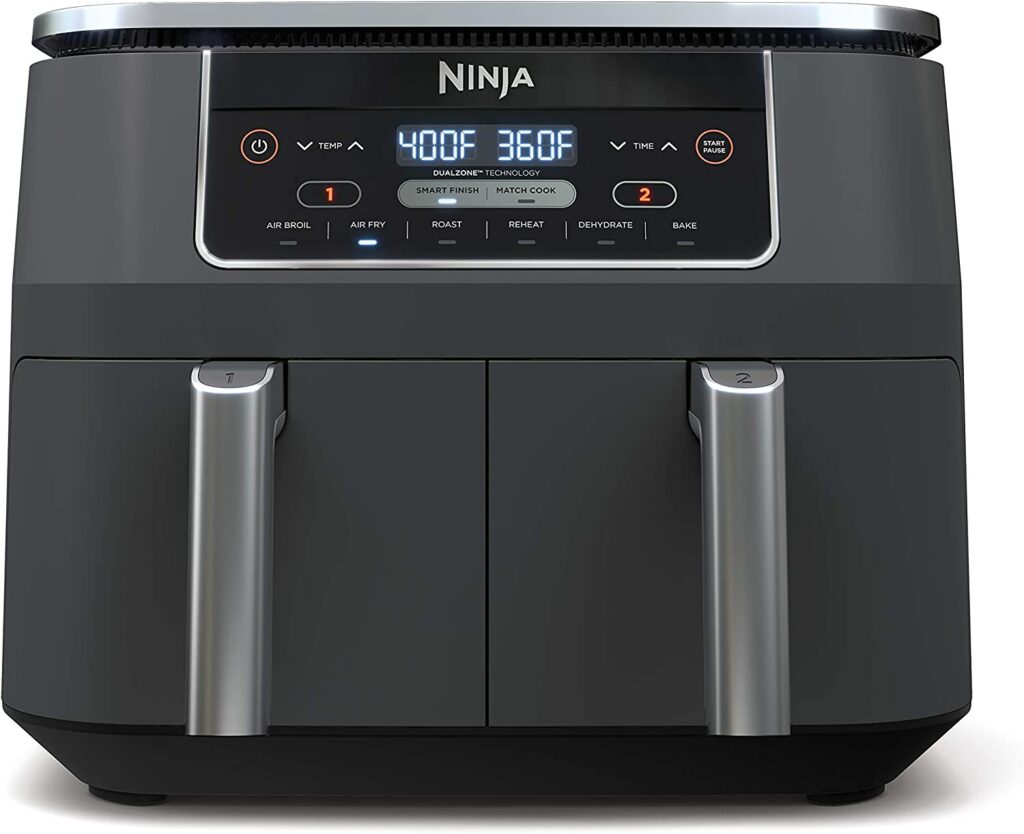
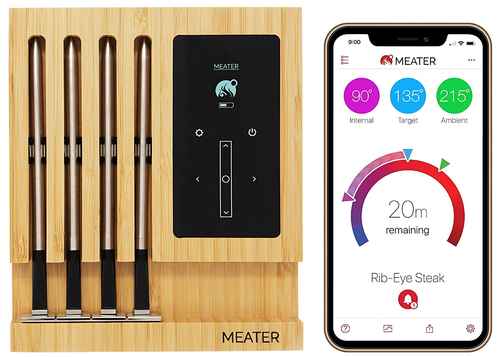
Dehydrating meat has been a time-honored method for preserving protein, dating back to ancient civilizations that relied on dried meat for survival during long winters or extended travels. Today, the process has evolved into a convenient and versatile culinary technique, allowing home cooks to create jerky or dried meat snacks quickly and efficiently. Traditionally, dehydrators or ovens were used, but modern air fryers provide a faster, more energy-efficient alternative. Air fryers, designed to circulate hot air at high speeds, can replicate the slow-drying process by maintaining a controlled, low temperature over an extended period, allowing moisture to escape while keeping the meat flavorful and safe to eat. The resulting product is tender yet chewy, intensely savory, and ideal for snacking, hiking trips, or as a protein-rich addition to meals.
However, dehydrating meat in an air fryer requires precision. Factors such as temperature, time, thickness of the meat, and type of air fryer can all dramatically affect the final result. Over-drying can lead to brittle, flavorless jerky, while under-drying can pose serious health risks due to bacterial growth. Understanding the nuances of air fryer dehydration ensures consistently safe, delicious, and high-quality results.
Optimal Air Fryer Temperature To Dehydrate Meat In Air Fryer
Temperature control is the cornerstone of successful meat dehydration. Air fryers typically operate at a minimum of 180°F (82°C), but for dehydrating meat, lower settings are preferable to mimic traditional jerky dehydration methods. The ideal temperature range for dehydrating meat in an air fryer is 135°F-160°F (57°C-71°C).
- Below 135°F (57°C): The meat may not dry effectively, remaining damp in the center, which increases the risk of bacterial growth.
- Above 160°F (71°C): The meat can cook rather than dehydrate, leading to a tough, brittle texture instead of tender, chewy jerky.
Many modern air fryers feature a ’dehydrate’ setting that automatically maintains low, consistent heat while circulating air, ensuring even drying without cooking the meat. If your air fryer does not have this function, using the lowest possible temperature and monitoring the meat closely is essential.
How Long To Dehydrate Meat In Air Fryer
Dehydration is a slow, methodical process. Unlike cooking, which relies on high heat to quickly transform food, drying meat in an air fryer requires patience. The dehydration time depends on several factors:
- Meat thickness: Thinner strips dry faster; aim for 1/8 to 1/4 inch (3-6 mm) thickness.
- Meat type: Lean cuts like beef, turkey, or venison dry faster than fattier cuts, as fat slows moisture evaporation and can spoil.
- Air fryer model: Some circulate air more efficiently, reducing drying time.
On average, dehydrating thin strips of meat at 145°F (63°C) takes 2-4 hours. Thicker cuts may require up to 5-6 hours. Rotating or rearranging the meat halfway through ensures even drying.
How To Tell If It Is Done
Knowing when meat is properly dehydrated is critical for both taste and safety:
- Texture test: Properly dehydrated meat should be firm but pliable. It should bend slightly and not snap immediately, with no soft or wet spots.
- Moisture test: Break one piece in half. There should be no visible liquid, and the interior should be dry.
- Snap test: For traditional jerky, it should bend and crack but not crumble into powder.
If any part of the meat is still moist, return it to the air fryer for additional time, checking every 15-30 minutes.
Ingredients Needed
Creating dehydrated meat requires minimal ingredients, but preparation enhances both flavor and preservation:
- Meat: Lean cuts of beef, turkey, chicken, or venison are ideal. Trim excess fat to prevent spoilage.
- Marinade (optional): Soy sauce, Worcestershire sauce, spices, salt, and pepper are common. Marinating improves taste and tenderness.
- Optional seasonings: Garlic powder, onion powder, smoked paprika, or chili flakes for added depth.
No additional oils or liquids are required for dehydration; the process relies solely on low heat to remove moisture.
How To Dehydrate Meat In Air Fryer
- Preparation: Slice meat into thin, uniform strips. Trim fat and remove any connective tissue.
- Marinate: Combine your chosen marinade ingredients and soak the meat for 2-12 hours in the refrigerator. Pat dry with paper towels before air frying.
- Arrange Meat: Place the strips in a single layer on the air fryer basket or tray. Avoid overlapping to ensure proper airflow.
- Set Temperature: Preheat the air fryer to 145°F (63°C) or use the ’dehydrate’ setting if available.
- Dehydrate: Cook for 2-4 hours, checking periodically. Flip or rotate the strips halfway for even drying.
- Test for Doneness: Use the texture and moisture tests described earlier.
- Cool and Store: Allow the meat to cool completely, then store in airtight containers. Properly dried jerky can last 1-2 weeks at room temperature or several months refrigerated.
What If I Use A Different Air Fryer Temperature?
- Lower than 135°F (57°C): The meat may remain damp, promoting bacterial growth. Drying time will increase significantly.
- Higher than 160°F (71°C): The meat may cook rather than dehydrate. Texture may become brittle, and uneven cooking can occur, leading to potential food safety issues.
Adjusting temperature is possible, but it must be accompanied by careful monitoring of texture and moisture levels.
What If I Use A Different Air Fryer Cooking Time?
- Shorter time: The meat may be under-dried, increasing spoilage risk.
- Longer time: While over-drying won’t cause foodborne illness, it can make the meat too hard or brittle to enjoy.
Always perform the texture and moisture test to determine doneness rather than relying solely on a timer.
When Things Go Wrong
Even with careful attention, dehydration can fail due to:
- Uneven thickness: Thicker strips may remain moist while thin strips over-dry. Always slice uniformly.
- Fatty meat: Excess fat prevents proper drying and can spoil faster.
- Overcrowding: Strips that touch will not dry evenly. Leave gaps between pieces.
- Incorrect temperature: Too high cooks the meat; too low allows bacterial growth.
If these issues occur, remove improperly dried pieces and adjust slicing, spacing, or temperature for the next batch.
Expert Tips
- Use a thermometer: Verify your air fryer temperature with an independent digital thermometer.
- Rotate trays: Halfway through dehydration, switch the position of meat strips for even airflow.
- Pat dry after marinating: Excess marinade will slow dehydration.
- Store correctly: Use airtight containers or vacuum seal to extend shelf life.
- Lean is key: Aim for 90% lean meat to reduce spoilage and improve shelf life.
FAQs
What Types Of Meat Are Best For Dehydrating In An Air Fryer?
Lean meats are ideal for dehydrating because they contain less fat, which can spoil more quickly. Common choices include beef, chicken, turkey, and venison. Avoid fatty cuts, as fat does not dehydrate well and can cause the jerky to become greasy or rancid.
Do I Need To Marinate The Meat Before Dehydrating?
Marinating is optional but recommended if you want added flavor. Marinades can include soy sauce, Worcestershire sauce, spices, and herbs. It is best to marinate the meat for at least 4-12 hours in the refrigerator to allow the flavors to penetrate while ensuring the meat remains safe for dehydration.
What Temperature Should I Set My Air Fryer For Dehydrating Meat?
Most air fryers should be set to a low temperature of 160°F to 180°F (71°C to 82°C) for dehydrating meat. This allows moisture to evaporate slowly without cooking the meat, which is essential for achieving proper jerky texture.
How Long Does It Take To Dehydrate Meat In An Air Fryer?
Dehydration time depends on the thickness of the slices and the type of meat. Thin slices (1/8 to 1/4 inch) usually take 2-4 hours. Thicker slices may require up to 6 hours. It’s important to check the meat periodically for dryness, ensuring it is firm but not brittle.
Do I Need To Flip Or Rotate The Meat During Dehydration?
Yes, flipping or rotating the meat every 30-60 minutes helps ensure even dehydration. Air fryers have uneven air circulation in some models, so turning the meat helps prevent uneven drying or partially cooked spots.
How Do I Know When The Meat Is Fully Dehydrated?
Fully dehydrated meat should be dry to the touch, slightly leathery, and flexible without tearing immediately. When bent, it should crack but not break in half. Any remaining softness or moisture may cause spoilage during storage.
How Should Dehydrated Meat Be Stored After Using An Air Fryer?
Once fully dehydrated and cooled, store meat in airtight containers or vacuum-sealed bags. For short-term storage, keep it in a cool, dry place for up to 2 weeks. For longer storage, refrigerate or freeze to maintain quality and prevent spoilage.