How To Grill Burgers In Air Fryer [FULL GUIDE]
Recommended Equipments:
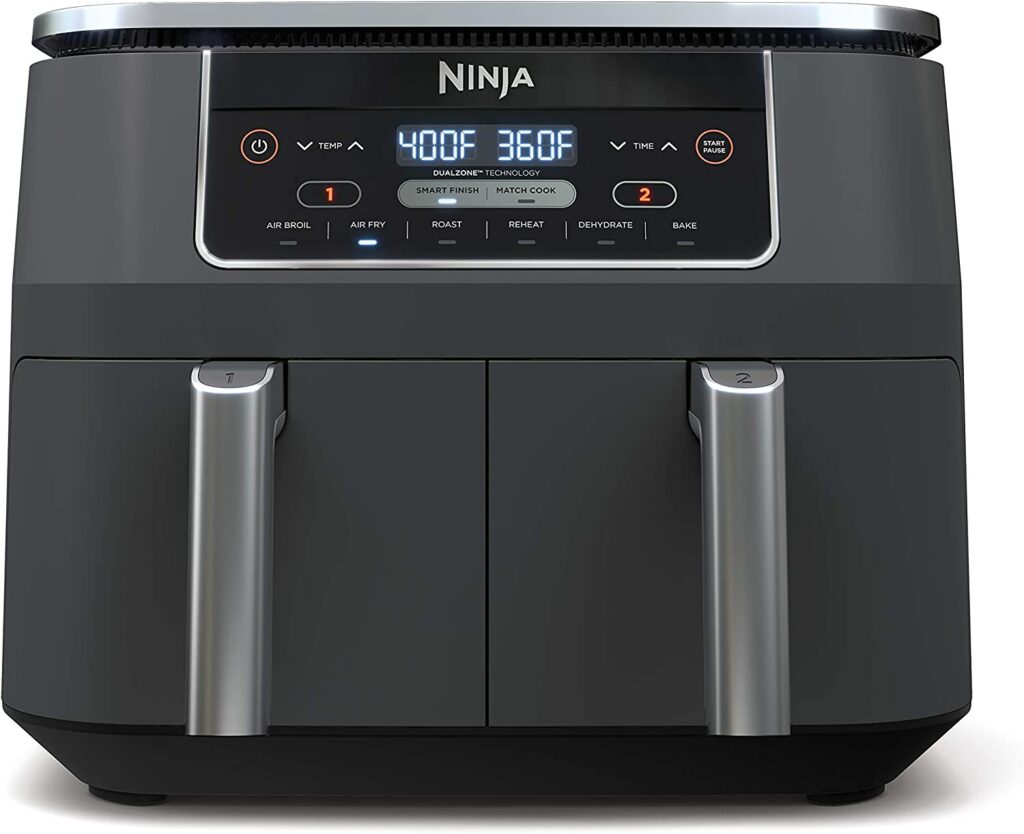
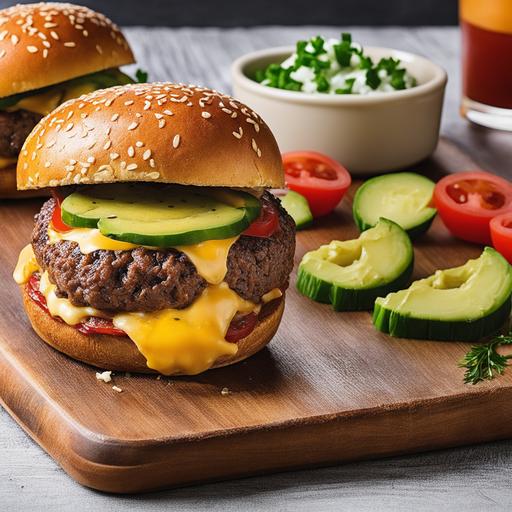
Burgers are a culinary classic, celebrated for their juicy texture, rich flavor, and versatility. Traditionally associated with outdoor grilling, the savory aroma of a burger sizzling over a flame is undeniably nostalgic. However, not everyone has access to a grill, or sometimes the weather simply does not cooperate. Enter the air fryer-a revolutionary kitchen appliance that has redefined convenience without compromising taste. Air fryers use rapid air circulation to cook food evenly and efficiently, producing a crispy exterior while retaining internal juiciness. Grilling burgers in an air fryer might seem unconventional, but with the right techniques, it can yield results rivaling traditional methods. This guide explores everything you need to know to master air fryer burgers: from temperature and timing to troubleshooting and expert tips.
Optimal Air Fryer Temperature To Grill Burgers In Air Fryer
Temperature is the foundation of cooking a perfect burger. For air fryer enthusiasts, the sweet spot typically ranges between 360°F (182°C) and 400°F (204°C). Cooking at 360°F allows for a slower, more controlled heat that keeps the patty juicy and tender, ideal for thicker cuts of ground beef. On the other hand, 400°F produces a slightly crisper exterior, akin to a seared burger on a hot grill, making it perfect for thinner patties or when a lightly charred crust is desired.
It’s essential to avoid exceeding 410°F, as excessively high temperatures can cause the outer layer of the burger to overcook before the interior reaches the desired doneness. Conversely, too low a temperature may dry out the meat or result in uneven cooking. The goal is balance: a temperature high enough to create a caramelized crust but moderate enough to preserve juiciness inside.
How Long To Grill Burgers In Air Fryer
Timing depends on the thickness of the patty, the air fryer model, and your preferred level of doneness. As a guideline:
- 1/2-inch thick patties: 7-9 minutes at 375°F, flipping halfway through.
- 3/4-inch thick patties: 9-12 minutes at 375°F, flipping halfway.
- 1-inch thick patties: 12-15 minutes at 375°F, flipping halfway.
These timings yield medium doneness (internal temperature ~160°F). Adjusting either the temperature or time will influence the burger’s final texture. Always allow a 2-3 minute resting period after cooking, which enables juices to redistribute, resulting in a moist, flavorful burger.
How To Tell If It Is Done
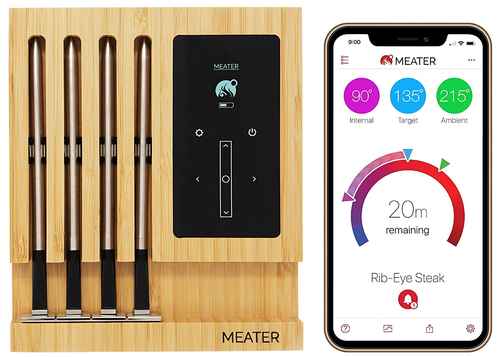
The safest and most reliable method to check burger doneness is with a meat thermometer:
- Medium-rare: 130-135°F
- Medium: 140-145°F
- Medium-well: 150-155°F
- Well-done: 160°F+
Visual cues also help: the exterior should be nicely browned and firm, juices should run clear rather than red, and the patty should spring back slightly when pressed. Avoid cutting into the burger too early, as this can release juices and dry out the meat.
Ingredients Needed
To grill perfect burgers in an air fryer, gather the following:
- Ground beef: 80/20 blend is ideal for juiciness
- Salt and pepper: Basic seasoning enhances flavor
- Optional seasonings: Garlic powder, onion powder, paprika, or Worcestershire sauce
- Burger buns: Your choice, lightly toasted after cooking
- Toppings: Lettuce, tomato, cheese, pickles, condiments
Optional: non-stick spray or a light brush of oil for the air fryer basket to prevent sticking.
How To Grill Burgers In Air Fryer
- Preheat the air fryer to 375°F for 3-5 minutes.
- Form the patties evenly, around ¾-1 inch thick. Press a slight indentation in the center to prevent puffing.
- Season both sides with salt, pepper, and any other desired spices.
- Place patties in the basket, ensuring space between them for proper air circulation.
- Cook for half the total time, then carefully flip the burgers.
- Continue cooking until the internal temperature reaches your desired doneness.
- Add cheese (if desired) in the last 1-2 minutes to allow melting.
- Rest the patties for 2-3 minutes before assembling with buns and toppings.
What If I Use A Different Air Fryer Temperature?
- Lower temperature (<360°F): Burgers will cook slower, possibly unevenly, and may lose moisture if extended too long. It’s better for thicker patties if you want medium doneness.
- Higher temperature (>400°F): Produces a crispy exterior quickly but risks burning the surface while leaving the inside undercooked. Monitor closely and reduce cooking time if using higher heat.
What If I Use A Different Air Fryer Cooking Time?
- Shorter time: May result in undercooked, raw centers-dangerous for food safety.
- Longer time: Can dry out the patty, especially for leaner blends, but will produce a firmer, well-done texture. Always pair time adjustments with internal temperature checks.
When Things Go Wrong
Even in air fryers, burgers can misfire. Common issues include:
- Dry burgers: Likely overcooked or too lean a meat blend; try adding fat or reducing cooking time.
- Undercooked interior: Possibly too high a temperature; lower heat and extend cooking time.
- Burnt exterior, raw center: Happens if the patty is too thick at high heat; flatten slightly or lower temperature.
- Sticking to basket: Use light oil spray, parchment paper, or properly spaced patties.
Expert Tips
- Indent the center: Prevents doming and ensures even cooking.
- Use a thermometer: Guarantees safe and perfect doneness.
- Do not overcrowd: Air circulation is essential for even browning.
- Rest patties: Locks in juices for maximum flavor.
- Toast buns in the air fryer: 2-3 minutes at 350°F adds a satisfying crunch.
- Experiment with blends: Mixing beef with pork or lamb can elevate flavor.
FAQs
Can I Cook Frozen Burgers In An Air Fryer?
Yes, you can cook frozen burgers in an air fryer. Preheat the air fryer to 360°F (182°C) and place the frozen patties in a single layer in the basket. Cook for 15-20 minutes, flipping halfway through, until the internal temperature reaches 160°F (71°C) for beef or 165°F (74°C) for poultry.
Do I Need To Preheat The Air Fryer Before Cooking Burgers?
Preheating the air fryer is recommended but not strictly necessary. Preheating ensures more even cooking and helps achieve a slightly crispier exterior. Typically, preheat at 375°F (190°C) for 3-5 minutes before adding the burger patties.
Should I Use Oil When Cooking Burgers In An Air Fryer?
Using oil is optional but can improve browning and prevent sticking. Lightly brush or spray both sides of the patties with a small amount of oil. Non-stick air fryer baskets may require little to no oil.
How Long Should I Cook A Burger In An Air Fryer For Medium Doneness?
For a medium-cooked burger, air fry at 360°F (182°C) for 10-12 minutes, flipping halfway through. The internal temperature should reach 140-145°F (60-63°C). Exact timing can vary depending on patty thickness and air fryer model.
Can I Cook Multiple Burgers At Once In An Air Fryer?
Yes, but avoid overcrowding the basket. Arrange burgers in a single layer with space between them for proper air circulation. You may need to cook in batches if your air fryer is small.
How Do I Prevent Burgers From Drying Out In An Air Fryer?
To prevent drying, avoid overcooking, use patties with 15-20% fat content, and optionally brush with a small amount of oil. You can also lightly cover the burgers with foil for the last few minutes to retain moisture.
Can I Add Cheese Or Toppings While Cooking Burgers In An Air Fryer?
Cheese can be added during the last 1-2 minutes of cooking to allow it to melt without burning. Most toppings like lettuce, tomatoes, and sauces should be added after cooking to maintain freshness and texture.