
How To Make Crispy Potato Wedges In Air Fryer [FULL GUIDE]
Recommended Equipments:
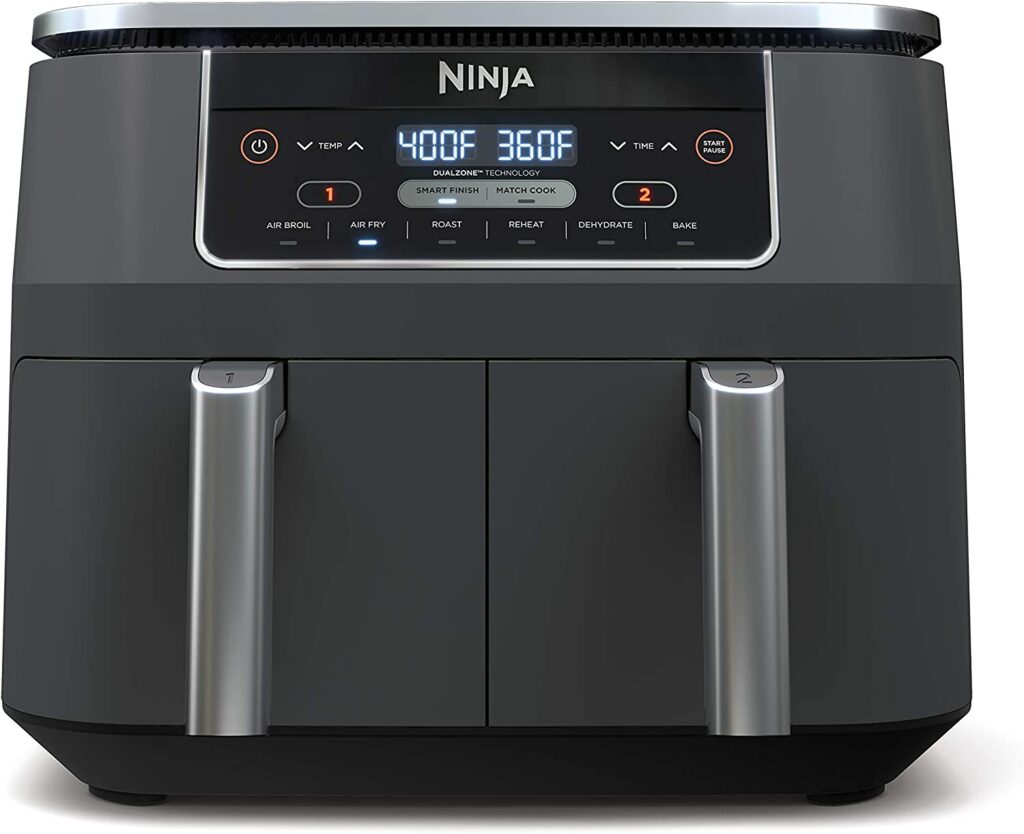
Few snacks or side dishes evoke the comforting, golden crunch of perfectly cooked potato wedges. Unlike traditional deep-fried wedges that soak in oil, air-fried wedges offer the perfect balance between crispiness and lightness, making them a healthier alternative without sacrificing texture or flavor. The magic of the air fryer lies in its ability to circulate hot air around the potato wedges, creating a uniformly crispy exterior while keeping the inside soft, fluffy, and tender. Understanding the nuances of temperature, timing, and preparation is crucial to achieving wedges that rival any restaurant or fast-food version. This guide dives deep into the science, method, and troubleshooting of making the ultimate crispy potato wedges in your air fryer.
Optimal Air Fryer Temperature To Make Crispy Potato Wedges In Air Fryer
The ideal temperature for air-frying potato wedges is typically 400°F (204°C). This temperature allows the exterior to crisp up quickly, forming that coveted golden-brown crust, while giving the interior enough time to cook through evenly. Lower temperatures, such as 350°F (177°C), may cook the inside without properly crisping the outside, resulting in soft, slightly soggy wedges. Conversely, temperatures higher than 420°F (216°C) can cause the edges to burn before the center is fully cooked.
The key lies in the balance: you want hot enough heat to trigger the Maillard reaction-the chemical process responsible for browning and flavor-but not so intense that the wedges char. Preheating the air fryer for 3-5 minutes also ensures immediate and even cooking, which significantly improves crispiness.
How Long To Make Crispy Potato Wedges In Air Fryer
Cooking time is equally crucial. Generally, 18-22 minutes at 400°F yields perfectly crispy wedges, but the exact time can vary based on potato size, wedge thickness, and air fryer model. It’s essential to shake or flip the wedges halfway through cooking to ensure even browning on all sides. Thinner wedges may require as little as 15 minutes, while thicker wedges might take closer to 25 minutes.
Consistency comes from understanding that wedges should appear golden and slightly caramelized on the edges before being considered done. Monitoring the cooking process the first time you try a new air fryer ensures that you can adjust the timing for your specific model in future batches.
How To Tell If It Is Done
Visual cues and tactile feedback are your best indicators:
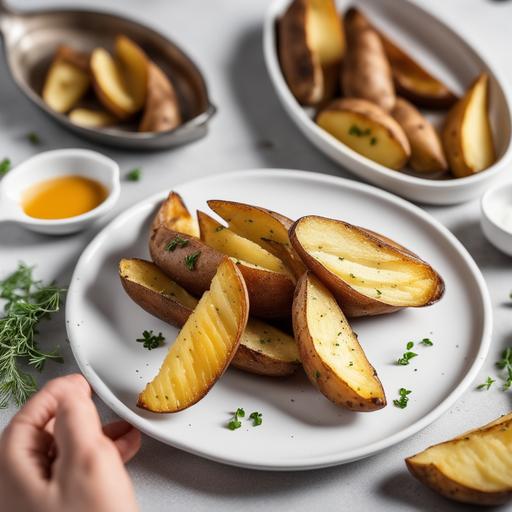
- Color: Wedges should have a deep golden-brown hue on the outside. Pale wedges indicate they need more time.
- Texture: The exterior should be firm and crisp to the touch. A light press should reveal a soft, fluffy interior.
- Fork Test: Insert a fork into the thickest part of a wedge. If it slides in easily without resistance, the inside is cooked. If there’s still firmness or raw potato texture, return the wedges to the air fryer for a few more minutes.
Smell also plays a role-fully cooked potato wedges emit a warm, slightly caramelized aroma that signals readiness.
Ingredients Needed
To make crispy, flavorful potato wedges, you’ll need:
- Potatoes – 2-3 medium russet or Yukon gold potatoes (starchy varieties crisp best)
- Olive oil – 1-2 tablespoons, enough to lightly coat wedges
- Salt – ½-1 teaspoon, adjust to taste
- Black pepper – ½ teaspoon, freshly ground for best flavor
- Optional seasonings – paprika, garlic powder, onion powder, chili flakes, or dried herbs for extra flavor
Pro tip: Cutting wedges uniformly ensures even cooking, while a light coating of oil helps achieve that irresistible crisp.
How To Make Crispy Potato Wedges In Air Fryer
- Wash and Cut: Scrub potatoes thoroughly. Cut each potato into even wedges, usually 6-8 per potato depending on size.
- Soak (Optional but Recommended): Soak wedges in cold water for 20-30 minutes. This removes excess starch, resulting in a crisper finish. Pat dry completely.
- Season: Toss dried wedges in olive oil, salt, pepper, and your choice of seasonings. Ensure an even coating.
- Preheat Air Fryer: Preheat to 400°F (204°C) for 3-5 minutes.
- Air Fry: Place wedges in a single layer, ensuring they don’t overcrowd the basket. Cook for 18-22 minutes, shaking or flipping halfway through.
- Check for Doneness: Use visual, tactile, and fork tests as described above.
- Serve Immediately: Crispy wedges are best enjoyed fresh out of the air fryer with your favorite dips or as a side to main dishes.
What If I Use A Different Air Fryer Temperature?
Adjusting temperature affects both texture and cooking time:
- Lower Temperature (350°F/177°C): Slower cooking, softer exterior, may require 25-30 minutes. Can result in less crispiness.
- Higher Temperature (425-450°F/218-232°C): Faster browning, risk of burnt edges before interior is fully cooked. Reduce cooking time to 12-16 minutes and monitor closely.
Temperature variations are often needed depending on the air fryer model, the thickness of the wedges, and personal crispiness preference.
What If I Use A Different Air Fryer Cooking Time?
Cooking time directly influences the final texture:
- Shorter Cooking Time: Wedges will be undercooked inside and likely pale and soft outside.
- Longer Cooking Time: Overly brown or burnt edges; interior may dry out.
The ideal approach is incremental testing-adding 2-3 minutes at a time while checking doneness ensures perfect results.
When Things Go Wrong
Even with careful attention, mistakes happen:
- Soggy Wedges: Likely from overcrowding or excess moisture. Solution: cook in smaller batches and dry wedges thoroughly.
- Burnt Edges: Often caused by too high a temperature or too long cooking. Solution: reduce temperature slightly and shake basket halfway.
- Uneven Cooking: Wedges of inconsistent size or uneven placement in the basket can cause uneven results. Solution: cut uniform wedges and arrange in a single layer.
Learning to troubleshoot ensures every batch comes out near perfection.
Expert Tips
- Cut evenly: Precision ensures consistent cooking.
- Soak for crispiness: A 20-30 minute cold water soak removes excess starch.
- Use a light oil coating: Too much oil can lead to greasy wedges; too little may result in uneven browning.
- Shake or flip halfway: Promotes uniform crispiness.
- Season after air frying (optional): Helps prevent salt from drawing out moisture prematurely, maintaining crispiness.
For extra indulgence, experiment with smoked paprika, parmesan, or fresh herbs after cooking.
FAQs
What Type Of Potatoes Are Best For Making Crispy Wedges In An Air Fryer?
Russet or Yukon Gold potatoes are ideal for air fryer wedges because they have a high starch content, which helps achieve a crispy exterior while keeping the interior fluffy. Waxy potatoes like red or new potatoes tend to be less crispy.
Do I Need To Soak The Potato Wedges Before Air Frying?
Yes, soaking potato wedges in cold water for 30 minutes to an hour helps remove excess starch, which promotes crispiness. After soaking, make sure to dry them thoroughly with a towel before seasoning and air frying.
What Oil Should I Use To Make Potato Wedges Crispy In An Air Fryer?
Use oils with a high smoke point like vegetable oil, canola oil, or avocado oil. A light coating of oil on the wedges helps them crisp up without making them greasy.
What Temperature And Cooking Time Are Best For Crispy Potato Wedges In An Air Fryer?
Preheat the air fryer to 400°F (200°C). Cook the wedges for 20-25 minutes, shaking or turning them halfway through for even cooking. Cooking time may vary depending on the size of the wedges and the model of your air fryer.
How Can I Season Potato Wedges For Maximum Flavor?
After drying the wedges, toss them with a mix of salt, pepper, garlic powder, paprika, and any other preferred spices. You can also add herbs like rosemary or thyme. Coating evenly with oil helps the seasoning stick better.
How Do I Ensure The Wedges Stay Crispy After Cooking?
Avoid overcrowding the air fryer basket to allow proper air circulation. Serve immediately for the crispiest texture. If you need to keep them warm, place them in a single layer on a baking sheet in a 200°F (90°C) oven rather than stacking them.
Can I Make Potato Wedges Ahead Of Time And Reheat Them In The Air Fryer?
Yes, you can par-cook or fully cook wedges ahead and store them in the refrigerator. To reheat, place them in the air fryer at 375°F (190°C) for 5-7 minutes until hot and crispy. Avoid microwaving, as it will make them soggy.