How To Make Crispy Wings In Air Fryer [FULL GUIDE]
Recommended Equipments:
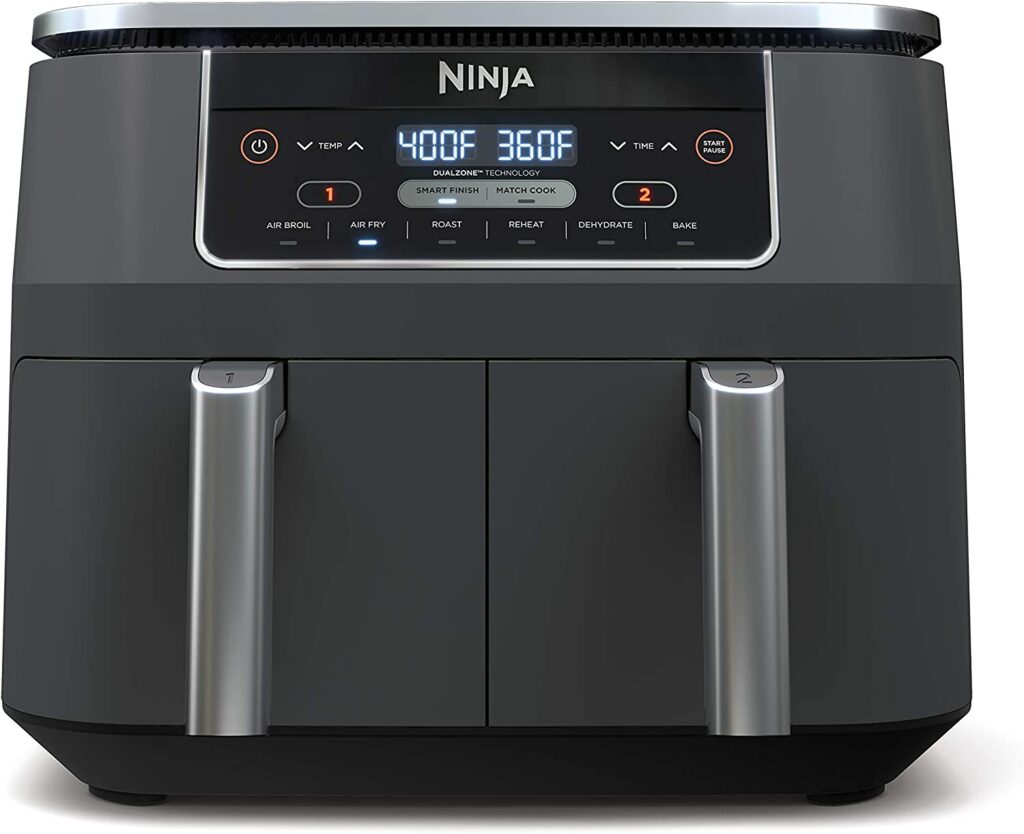
Crispy chicken wings have a universal appeal. They strike the perfect balance between deeply satisfying crunch and juicy tenderness, making them a weeknight favorite, game-day staple, and crowd-pleaser for any casual gathering. While traditional deep-frying achieves that classic crispness, the air fryer offers a cleaner, faster, and more efficient method without compromising texture. With the right temperature, time, and preparation practices, you can create beautifully crisp wings that mimic restaurant quality-right in your own kitchen.
This guide provides a comprehensive breakdown of everything you need to know about making crispy wings in the air fryer: the ideal cooking temperature, the perfect timing window, how to check for doneness, ingredient details, troubleshooting tips, and expert-level guidance to help you get outstanding results every time.
Optimal Air Fryer Temperature To Make Crispy Wings In Air Fryer
The best temperature for achieving ultra-crispy wings in the air fryer is 400°F (204°C). This is the sweet spot at which the fat in the skin renders properly, moisture evaporates at a controlled pace, and the hot air circulation works efficiently to dry and crisp each surface.
At temperatures lower than 380°F, wings often cook through but lack the iconic crispness you want. At temperatures above 400°F, the skin may darken too quickly before the interior fully cooks, especially on larger wings. At 400°F, wings crisp evenly, the skin blisters attractively, and the interior reaches a juicy, tender state without dryness.
How Long To Make Crispy Wings In Air Fryer
For most air fryers, wings achieve peak crispness in 35 to 40 minutes at 400°F. The time can vary based on several factors:
-
Wing Size And Thickness
Larger wings, especially drummettes, require longer exposure to heat than flats.
-
Air Fryer Model And Heating Efficiency
Some models run hotter or have more powerful fans, which influences total cook time.
-
Fresh Vs. Frozen Wings
Frozen wings require an additional 5 to 10 minutes, depending on how they’re separated and their starting temperature.
-
Desired Texture
If you want an extra-crisp finish, extending the cooking time by 3 to 5 minutes at the end enhances the crunch without burning.
A general guideline:
- Lightly crispy: 28-32 minutes
- Fully crispy: 35-40 minutes
- Ultra-crispy: 40-45 minutes
How To Tell If It Is Done
Properly cooked wings should meet several visual and textural markers:
-
Skin Appearance
The skin should be golden brown, blistered in spots, and visibly dry and crisp, with no soft or rubbery areas.
-
Internal Temperature
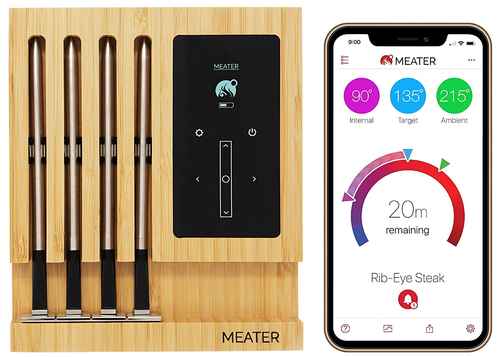
The thickest part of the wing should reach 165°F (74°C) on a food thermometer. For extra juiciness and tenderness, going up to 175-185°F is fine-chicken wings contain connective tissue that breaks down well at higher temperatures.
-
Texture Test
When pressed gently with tongs, the wings should feel firm, not squishy. The joint should flex easily without resistance.
-
Sound
A lightly crisp sound often becomes noticeable when tapping wings together or with tongs.
Ingredients Needed
Making crispy wings in the air fryer does not require a long ingredient list. Simple, high-impact components deliver the best results.
- Chicken wings, separated into flats and drummettes
- Baking powder (aluminum-free preferred) for aiding crispness
- Salt
- Black pepper
- Garlic powder
- Paprika or smoked paprika
- Onion powder
- Optional dry seasonings (cayenne, chili powder, lemon pepper, Cajun seasoning)
- A small amount of neutral oil or cooking spray (optional, depending on the skin’s fat content)
The baking powder plays an important role by raising the pH level of the skin, which encourages browning and crisping. It also creates micro-bubbles that expand during cooking, contributing to that classic crackly surface.
How To Make Crispy Wings In Air Fryer
Prepare The Wings
Pat the wings completely dry with paper towels. The drier they are at the start, the crisper the skin becomes. Removing moisture ensures the hot air can directly contact the skin instead of steaming it.
Season Thoroughly
Combine salt, baking powder, and the seasonings of your choice. Toss the wings in the mixture until they are evenly coated. Allow the wings to rest for 5 to 10 minutes to allow the salt and baking powder to draw out some surface moisture and begin the crisping process.
Preheat The Air Fryer
Preheat to 400°F (204°C). Preheating ensures your wings start cooking immediately and helps achieve the desired crispy exterior.
Arrange The Wings
Place the wings in a single layer inside the air fryer basket. Space them out so the hot air can circulate around every surface. Overcrowding leads to soft, unevenly cooked skin.
Cook And Flip
Air fry for 20 minutes, then flip the wings. Continue cooking for another 15 to 20 minutes, depending on crispness preference. If you want a deeper golden finish, increase the final 5 minutes to 5-10 minutes.
Rest Briefly
Let the wings rest for 2 minutes before serving. This allows the juices to settle and the exterior to maintain its crispness.
What If I Use A Different Air Fryer Temperature?
Changing the temperature affects both texture and cooking behavior:
-
Lower Temperature (350-375°F)
Wings will cook through but remain softer. You may end up with skin that is browned but not properly crisped. It may also lengthen your cook time.
-
Higher Temperature (410-425°F)
Wings may brown too quickly on the outside while the interior remains undercooked. The skin may also darken unevenly or burn in spots.
-
Very Low Temperature (300-325°F)
Results in steaming instead of frying, producing a rubbery, chewy skin regardless of how long they cook.
For consistently crispy wings, staying near 400°F is best.
What If I Use A Different Air Fryer Cooking Time?
Cooking time variation produces different results:
-
Too Short
The internal temperature may be unsafe, and the skin can remain pale and rubbery.
-
Too Long
Wings can become overly dry or develop a bitter, burned exterior. They may also stiffen around the bones and lose moisture.
-
Marginally Shorter
Wings may be edible but lack ideal crispiness. If this happens, extend the cooking time in short increments until the desired texture is reached.
-
Slightly Longer
Can be used intentionally to create extra-crispy wings, but only if monitored closely to avoid charring.
When Things Go Wrong
Even with a reliable method, issues can arise. Here are common problems and solutions:
-
Wings Not Crispy
Usually caused by moisture. Dry the wings more thoroughly next time and leave more space between pieces.
-
Uneven Browning
Your basket may be overcrowded or you may have skipped flipping. Reorganize and flip halfway through.
-
Burnt Exterior, Undercooked Interior
Temperature may be too high, or your wings are unusually large. Lower the temperature to 380-390°F and extend cooking time.
-
White Spots Or Powdery Coating On The Skin
Caused by too much baking powder or using one with aluminum. Reduce quantity to one teaspoon per pound of wings.
-
Wings Sticking To The Basket
A very light mist of oil spray before cooking prevents adhesion without sacrificing crispness.
Expert Tips
- Use aluminum-free baking powder for clean crispiness without metallic aftertaste.
- Let wings air-dry in the refrigerator for 2-12 hours for restaurant-level texture.
- Avoid wet marinades before air frying; they inhibit crisping. Instead, marinate lightly with dry seasonings.
- Flip wings more than once to ensure even air exposure and prevent soggy spots.
- Shake the basket occasionally for small wings to promote uniform browning.
- Do not add sauce until after cooking; apply during the last 2-3 minutes for warming only.
- Use a wire rack inside the basket if your air fryer tends to pool moisture.
- Season levels matter; salt draws moisture from the skin, improving crunch.
- Cook in batches rather than overcrowding. Crisping requires airflow, not contact.
- Rest minimally so the skin stays crisp but the juices settle.
FAQs
What Type Of Chicken Wings Are Best For Air Frying?
For the best results, use fresh or fully thawed chicken wings. Split them into drumettes and wingettes for even cooking. Avoid frozen wings unless you plan to extend cooking time and adjust seasoning.
Do I Need To Coat The Wings With Oil Before Air Frying?
A light coating of oil helps achieve a crispy texture, but excessive oil is unnecessary. You can toss wings in a teaspoon of oil or use a cooking spray to lightly coat them before seasoning.
How Do I Ensure The Wings Come Out Crispy And Not Soggy?
Pat the wings dry with paper towels before seasoning, avoid overcrowding the air fryer basket, and cook at a high temperature (usually 375-400°F / 190-200°C) for 20-25 minutes, flipping halfway through. A small dusting of baking powder can also enhance crispiness.
Should I Marinate The Wings Before Air Frying?
Marinating is optional. A simple dry rub with salt, pepper, and spices works well. If using a wet marinade, pat the wings dry afterward to prevent excess moisture from preventing crispiness.
How Often Should I Flip The Wings During Cooking?
Flipping once halfway through the cooking process is usually sufficient to ensure even browning and crispiness. Frequent flipping can reduce the crisp texture.
Can I Cook Frozen Wings Directly In The Air Fryer?
Yes, but frozen wings require a longer cooking time and may need to be cooked in smaller batches to avoid overcrowding. It’s recommended to cook at 360-380°F (182-193°C) for 25-30 minutes, checking for an internal temperature of 165°F (74°C).
How Can I Add Flavor After Air Frying Without Losing Crispiness?
Toss the wings in sauces or glazes immediately after cooking while still hot. For sticky sauces, you can briefly return them to the air fryer at a lower temperature for 2-3 minutes to set the sauce without making them soggy.