
How To Make Dried Fruit In Air Fryer [FULL GUIDE]
Recommended Equipments:
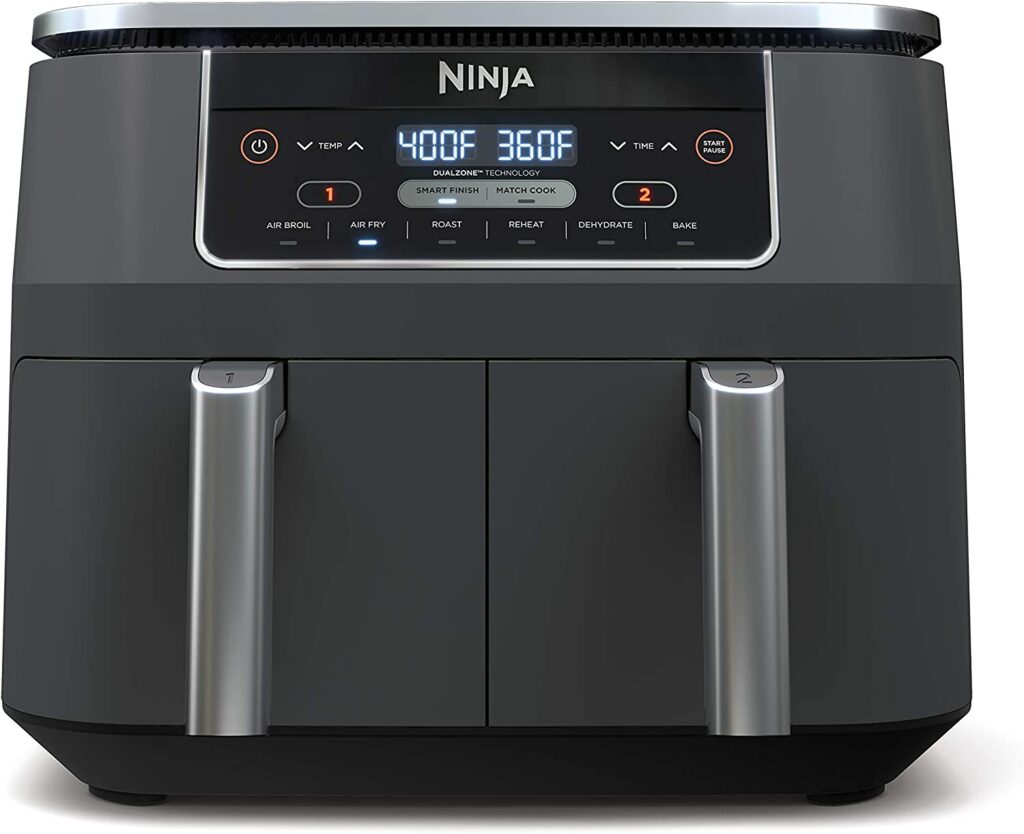
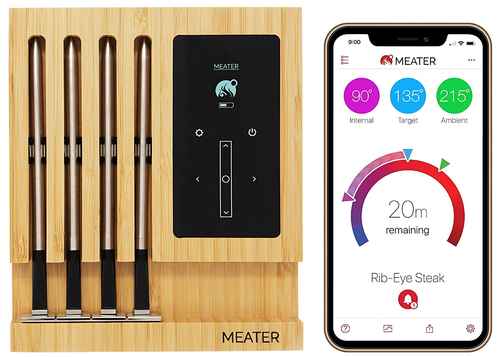
Dried fruit has long been cherished for its concentrated sweetness, chewy texture, and convenient portability. From raisins and apricots to apples and mangoes, drying fruit preserves nature’s candy while intensifying its natural flavors. While traditional methods often involve hours in the oven or a dedicated dehydrator, modern air fryers offer a quicker, more energy-efficient alternative. The magic of the air fryer lies in its rapid circulation of hot air, which evenly removes moisture from the fruit without compromising its vibrant color or natural sugars. Making dried fruit at home isn’t just about convenience-it’s about achieving perfect texture, sweetness, and flavor with control over every ingredient, avoiding added preservatives and excess sugar.
Optimal Air Fryer Temperature To Make Dried Fruit In Air Fryer
Temperature control is crucial when drying fruit. Too high, and the fruit can scorch or caramelize unevenly; too low, and it may not dehydrate properly, leaving a spongy or sticky texture. Most fruits do best at a gentle 120°F to 135°F (50°C to 57°C) for slow, even dehydration. For air fryers without precise low-temperature settings, 140°F to 160°F (60°C to 71°C) is a workable compromise.
Different fruits respond differently:
- Soft fruits (like berries or grapes) are delicate and benefit from lower temperatures to prevent bursting or burning.
- Firm fruits (like apples, pears, or mangoes) tolerate slightly higher heat and can achieve a chewier texture without drying out too quickly.
It’s better to err on the side of slightly lower temperatures for longer durations than to risk burning or uneven drying.
How Long To Make Dried Fruit In Air Fryer
Drying times vary based on fruit type, slice thickness, and air fryer model. In general:
- Thin slices (1/8 to 1/4 inch): 2-3 hours
- Medium slices (1/4 to 1/2 inch): 3-4 hours
- Whole small fruits (like grapes or cherries): 4-6 hours
It’s essential to check periodically and rotate or shake the basket to promote even drying. Remember, unlike baking, the goal is gradual dehydration, not cooking, so patience pays off.
How To Tell If It Is Done
Properly dried fruit should feel leathery but pliable. Here’s what to look for:
- Moisture content: There should be no wet spots; the surface should be dry to the touch.
- Texture: Fruit should bend without snapping, indicating it retains some chew. Over-dried fruit can become brittle and hard.
- Taste: Fully dried fruit tastes concentrated but not burnt or overly sweet.
A helpful trick is to let the fruit cool completely. Many fruits firm up slightly as they cool, revealing their true texture.
Ingredients Needed
The beauty of dried fruit is its simplicity. Basic ingredients include:
- Fresh fruit of choice (apples, pears, peaches, mangoes, berries, grapes, etc.)
- Optional: lemon juice (to prevent browning in fruits like apples or pears)
- Optional: a light sprinkle of sugar or cinnamon for flavor enhancement
No additional oils are needed-air frying extracts moisture naturally, leaving the fruit concentrated and sweet.
How To Make Dried Fruit In Air Fryer
- Prepare the Fruit: Wash, peel (if desired), and core the fruit. Slice evenly, ideally 1/8 to 1/4 inch thick, for uniform drying.
- Pre-Treatment (Optional): For fruits prone to browning, lightly brush with lemon juice or soak briefly in a lemon-water solution.
- Arrange in Air Fryer: Place slices in a single layer in the air fryer basket, avoiding overlap. Crowding the basket can lead to uneven drying.
- Set Temperature: Preheat the air fryer to 120-135°F (50-57°C), or use the lowest available setting.
- Dry the Fruit: Cook for 2-6 hours depending on fruit type and thickness. Shake the basket or rotate slices every 30-60 minutes.
- Cool and Store: Allow fruit to cool completely before storing in an airtight container. Properly dried fruit can last several weeks at room temperature or months in the freezer.
What If I Use A Different Air Fryer Temperature?
Increasing the temperature can speed up the drying process but carries risks:
- High temperatures can burn or caramelize the fruit edges before the interior dries.
- Rapid dehydration may cause uneven texture, with the outside tough and the inside still moist.
Lower temperatures simply extend drying time, which is often safer for delicate fruits. If adjusting temperatures, monitor closely and rotate the fruit more frequently.
What If I Use A Different Air Fryer Cooking Time?
- Shorter time: Fruit may remain sticky or moist, increasing the risk of mold during storage.
- Longer time: Fruit can become overly dry, brittle, or lose some flavor nuances.
Checking fruit periodically and understanding your air fryer’s heat distribution is key. Drying is more art than exact science-observing texture and moisture is more reliable than a strict timer.
When Things Go Wrong
Common issues include:
- Burned edges: Usually due to high temperature or overlapping slices. Solution: lower heat and arrange fruit in a single layer.
- Uneven drying: Caused by overcrowding or inconsistent air circulation. Solution: rotate slices, shake basket, or split into batches.
- Sticky fruit: Often from insufficient drying or overly thick slices. Solution: return to air fryer for additional drying in short intervals.
Mistakes are part of the process. Experimenting with different fruits and thicknesses helps fine-tune your method.
Expert Tips
- Uniform Slices: Use a mandoline for consistent thickness. This ensures even drying.
- Pre-Dehydration Tip: Pat fruit slices dry with a paper towel to remove surface moisture before air frying.
- Layering Strategy: If multiple layers are necessary, consider using parchment paper or mesh trays to improve airflow.
- Cool Completely: Never store warm fruit-it can trap residual moisture and cause mold.
- Flavor Enhancements: Sprinkle cinnamon, nutmeg, or a touch of honey before drying for gourmet variations.
FAQs
What Types Of Fruit Can I Dry In An Air Fryer?
Most fruits can be dried in an air fryer, including apples, bananas, mangoes, pineapples, strawberries, pears, and grapes. Firmer fruits like apples and pears hold their shape well, while softer fruits may require slicing thinner to dry evenly.
How Should I Prepare Fruit Before Drying It In An Air Fryer?
Wash and peel fruits if desired, then cut them into uniform slices to ensure even drying. For fruits prone to browning, such as apples or pears, you can briefly soak slices in lemon water to preserve color and flavor.
What Temperature Should I Use For Drying Fruit In An Air Fryer?
Set your air fryer to a low temperature, typically between 120°F to 140°F (50°C to 60°C), depending on the fruit’s water content. Higher temperatures can cook the fruit instead of drying it, leading to uneven texture.
How Long Does It Take To Make Dried Fruit In An Air Fryer?
Drying times vary by fruit type, slice thickness, and air fryer model. Generally, it takes 2 to 6 hours. Check every 30 to 60 minutes and flip slices for even drying. The fruit should feel leathery and slightly pliable when done.
Do I Need To Use Oil Or Any Coating When Drying Fruit In An Air Fryer?
No oil is required. For extra flavor, you can lightly dust slices with cinnamon, nutmeg, or sugar, but plain fruit dries best without added fats, which can interfere with the drying process.
How Should I Store Air-fried Dried Fruit?
Once completely cooled, store dried fruit in an airtight container in a cool, dark place. For longer shelf life, refrigeration or vacuum-sealed bags can help prevent moisture absorption and extend freshness for several months.
Can I Make Fruit Leather In An Air Fryer?
Yes, you can make fruit leather by pureeing fruit and spreading it thinly on a parchment-lined air fryer tray. Dry at a low temperature for 4 to 6 hours until it is pliable and no longer sticky. Cut into strips after cooling.