
How To Make Fried Dough In Air Fryer [FULL GUIDE]
Recommended Equipments:
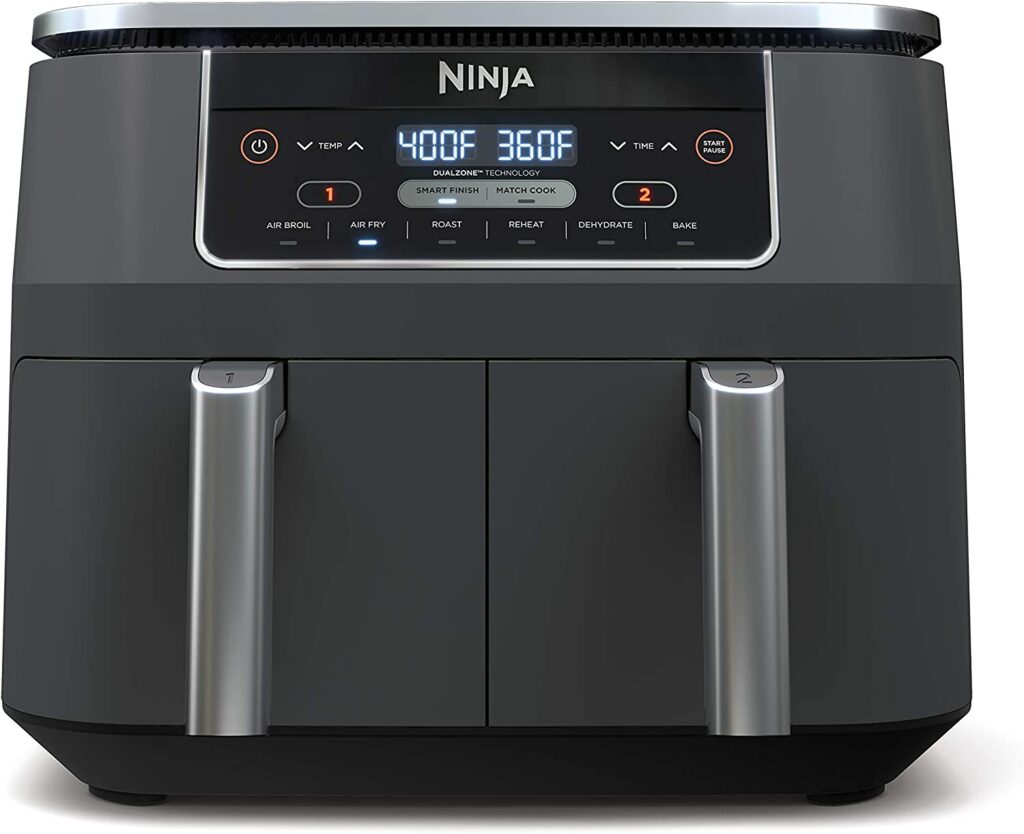
Fried dough is a timeless indulgence, with its golden, crispy exterior and pillowy, soft interior delivering a comforting combination of textures and flavors. Traditionally associated with fairs, carnivals, and classic diner treats, fried dough can now be enjoyed at home with far less oil, thanks to the innovation of the air fryer. Air frying captures the essence of deep-fried goodness while reducing fat content, making it a lighter, convenient, and efficient alternative. This guide delves into every aspect of creating perfectly golden fried dough in an air fryer-from ingredient selection to troubleshooting-ensuring that even first-time cooks can achieve a bakery-quality treat in their own kitchen.
Optimal Air Fryer Temperature To Make Fried Dough In Air Fryer
Temperature is critical when making fried dough in an air fryer. The goal is to achieve a crisp, golden exterior without overcooking or drying out the interior. Most recipes and expert advice converge on 375°F (190°C) as the optimal temperature. This temperature is hot enough to create that signature crust while allowing the interior dough to cook thoroughly. Temperatures lower than 350°F may result in dough that is pale, undercooked, or chewy. Conversely, exceeding 400°F risks burning the outer layer before the inside has properly cooked, resulting in an unbalanced texture. Maintaining consistent heat is crucial, so preheating your air fryer for a few minutes ensures the basket reaches the desired temperature before you begin cooking.
How Long To Make Fried Dough In Air Fryer
Cooking time directly influences the texture of fried dough. In most air fryer models, fried dough typically cooks in 6-10 minutes, depending on the size and thickness of each piece. Small, thinner pieces may be done closer to six minutes, while larger or thicker portions may require up to ten minutes. It’s advisable to check the dough halfway through the cooking process and flip or rotate the pieces to ensure even browning on all sides. Because air fryers vary in their heat distribution, it’s important to rely on visual cues and not just the timer.
How To Tell If It Is Done
Determining doneness involves both visual and tactile indicators:
- Color: Perfectly cooked fried dough is golden brown all over. Avoid shades that are too pale (undercooked) or too dark (overcooked or burnt).
- Texture: The exterior should feel crisp to the touch, while a gentle squeeze reveals a soft, slightly springy interior.
- Sound: Some experienced cooks tap the dough lightly; a hollow, crisp sound often signals that the dough is cooked through.
- Internal Check: If uncertain, break open one piece. The inside should be fluffy and fully cooked, without doughy or raw spots.
Ingredients Needed
To make classic fried dough in an air fryer, you’ll need:
- 2 cups all-purpose flour – the foundation for a soft, airy dough.
- 2 tablespoons sugar – adds a hint of sweetness to the dough itself.
- 1 tablespoon baking powder – ensures lightness and fluffiness.
- ½ teaspoon salt – enhances flavor.
- ¾ cup milk – creates moisture and structure.
- 2 tablespoons melted butter or oil – enriches the dough and contributes to tenderness.
- Optional toppings: powdered sugar, cinnamon sugar, or chocolate sauce for finishing.
How To Make Fried Dough In Air Fryer
- Prepare the dough: In a large mixing bowl, combine flour, sugar, baking powder, and salt. Slowly mix in milk and melted butter until a soft dough forms. Avoid overmixing to maintain fluffiness.
- Shape the dough: Divide the dough into small portions and gently flatten each into discs or rectangles. Thickness should be roughly ¼ inch for optimal cooking.
- Preheat air fryer: Preheat the air fryer to 375°F (190°C) for 3-5 minutes.
- Air fry: Place the dough pieces in a single layer in the basket, avoiding overlap. Cook for 6-10 minutes, flipping halfway, until golden brown.
- Add toppings: Remove the fried dough and immediately dust with powdered sugar, cinnamon sugar, or drizzle with chocolate sauce while still warm.
What If I Use A Different Air Fryer Temperature?
Adjusting the temperature can drastically change the outcome:
- Lower than 350°F (175°C): Dough may cook unevenly, becoming pale, dense, or chewy.
-
Above 400°F (205°C): Exterior may burn before the interior cooks through, leaving a raw center.
If experimenting, always monitor the dough closely and adjust cooking time accordingly.
What If I Use A Different Air Fryer Cooking Time?
Cooking time is equally crucial:
- Shorter than recommended: Dough will remain undercooked inside.
-
Longer than recommended: Dough may become overly dry or tough.
A gradual approach-checking the dough a minute or two before the timer ends-is safest to achieve ideal texture.
When Things Go Wrong
Common issues include:
- Undercooked dough: Often caused by low temperature or thick dough pieces. Solution: Increase cooking time slightly and ensure proper flipping.
- Burned dough: Usually a result of too high a temperature or prolonged cooking. Solution: Reduce temperature and check frequently.
- Dense or tough dough: Overmixing or insufficient leavening can lead to this. Solution: Mix gently and measure baking powder accurately.
- Uneven cooking: Overcrowding the air fryer basket blocks airflow. Solution: Cook in batches, leaving space around each piece.
Expert Tips
- Preheat for even cooking: Air fryer heat consistency improves when preheated.
- Use parchment or silicone mats: Prevent sticking without compromising airflow.
- Check halfway and flip: Ensures uniform golden browning.
- Keep pieces uniform in size: Helps all pieces cook evenly.
- Experiment with toppings: A light brush of melted butter enhances the golden finish before adding sugar or cinnamon.
FAQs
What Type Of Dough Is Best For Making Fried Dough In An Air Fryer?
For air fryer fried dough, a basic yeast dough or biscuit dough works best. Yeast dough will produce a light and fluffy texture, while biscuit dough offers a quicker alternative with a slightly denser bite. Avoid overly wet dough as it may not crisp properly in the air fryer.
Do I Need To Preheat The Air Fryer Before Cooking Fried Dough?
Yes, preheating the air fryer for 3-5 minutes helps ensure even cooking and a crisp exterior. Preheating also reduces the risk of the dough sticking to the basket and promotes a golden-brown finish.
What Temperature Should I Use To Cook Fried Dough In An Air Fryer?
Set the air fryer temperature between 350°F to 375°F (175°C to 190°C). This range allows the dough to cook through evenly while achieving a golden, crisp exterior without burning.
Should I Use Oil When Making Fried Dough In An Air Fryer?
A light brushing or spraying of oil on the dough is recommended. Unlike deep frying, the air fryer requires only minimal oil to achieve a golden color and crisp texture. Too much oil can lead to uneven cooking or excessive smoke.
How Long Does It Take To Cook Fried Dough In An Air Fryer?
Cooking time typically ranges from 8 to 12 minutes, depending on the dough thickness and air fryer model. It’s important to check halfway through and flip or rotate the dough pieces for even browning.
Can I Add Toppings To Fried Dough Before Or After Air Frying?
For best results, sweet toppings like cinnamon sugar, powdered sugar, or chocolate drizzle are added after cooking. Savory toppings like garlic butter can also be brushed on after air frying. Adding toppings before cooking may cause them to burn or stick to the basket.
How Do I Prevent The Fried Dough From Being Soggy In The Air Fryer?
Ensure the dough pieces are not overcrowded, allowing air to circulate freely. Lightly brush with oil and avoid using overly wet dough. Cooking at the correct temperature and flipping halfway will help achieve a crispy exterior and prevent sogginess.