
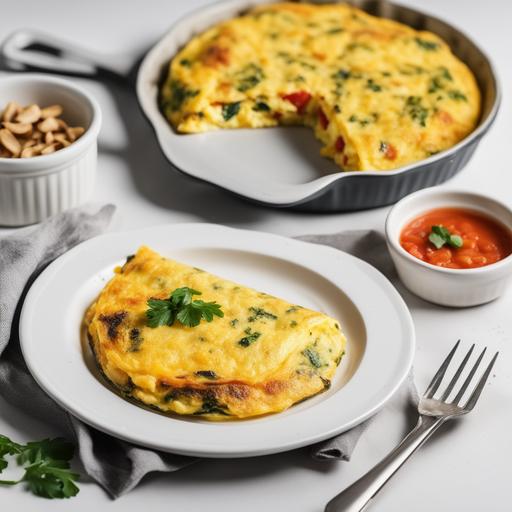
How To Make Omelette In Air Fryer [FULL GUIDE]
Recommended Equipments:
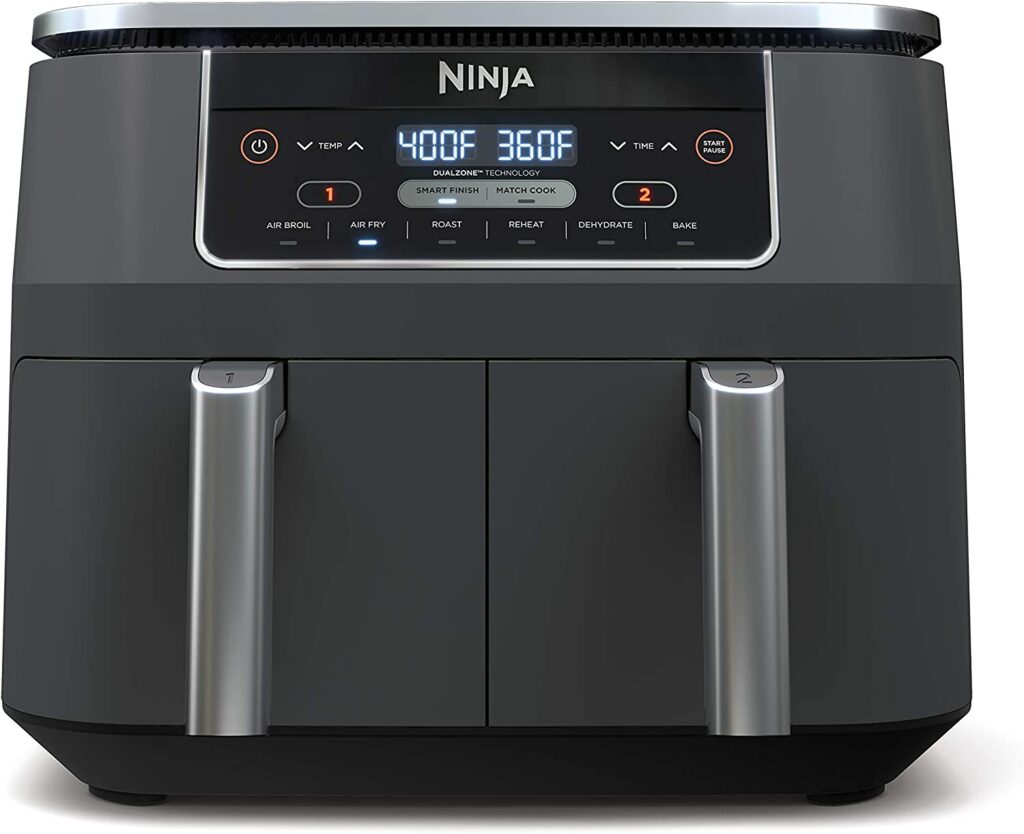
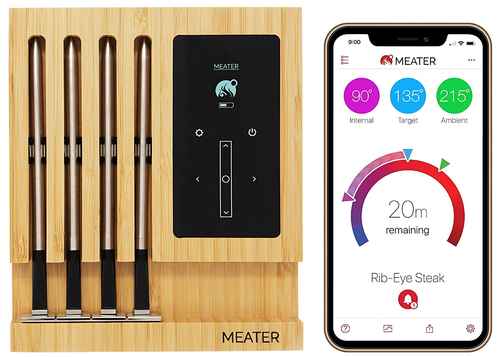
The humble omelette is a timeless breakfast classic-versatile, satisfying, and endlessly customizable. Traditionally cooked on a stovetop, the omelette has now entered the realm of modern kitchen technology, including the air fryer. Using an air fryer to make an omelette might sound unconventional, but it’s a method that ensures consistent cooking, minimal oil usage, and easy cleanup. Unlike a pan where heat distribution can vary, an air fryer circulates hot air evenly around your food, producing an omelette that is fluffy, well-cooked, and perfectly set without the risk of sticking or burning. This guide delves deep into mastering the air fryer omelette, covering every nuance from temperature to troubleshooting, ensuring your egg creation comes out flawless every time.
Optimal Air Fryer Temperature To Make Omelette In Air Fryer
The ideal air fryer temperature for cooking an omelette is generally 350°F (175°C). This temperature strikes the perfect balance between gentle heat to allow eggs to cook evenly and enough intensity to give the omelette a slight golden exterior. Too low a temperature may result in a watery, undercooked center, while too high a temperature could cause the eggs to puff excessively and brown unevenly on the top while remaining uncooked inside.
Some air fryers run hotter than others, so it’s critical to preheat your device for 2-3 minutes before cooking. A preheated air fryer creates a more uniform cooking environment and prevents the omelette from sticking to the pan or silicone mold. For richer omelettes with cheese or heavier fillings, maintaining a steady 350°F ensures even melting and proper texture without scorching delicate ingredients.
How Long To Make Omelette In Air Fryer
Cooking time for an air fryer omelette depends on size, thickness, and added ingredients. On average:
- Single-serving omelette (1-2 eggs): 8-10 minutes
- Double-serving or larger omelette (3-4 eggs): 10-12 minutes
- Loaded omelette with vegetables or meat: 12-15 minutes
It’s important to note that thicker omelettes may require a slight extension of time, while smaller portions may cook faster. For consistent results, check your omelette at the 80% mark of cooking time, using a toothpick or fork to gauge doneness (more on this below).
How To Tell If It Is Done
Knowing when your omelette is done is critical to avoid a rubbery or undercooked texture. Here are the key indicators:
- Visual cues: The top should appear set, not runny. Slight puffiness is normal, and the edges may lift slightly from the pan.
- Texture check: Gently press the center with a fork or spatula. It should spring back slightly without leaving liquid behind.
- Internal check: Insert a toothpick into the thickest part; it should come out clean with no visible uncooked egg.
- Color: A light golden-brown hue on the top and edges indicates thorough cooking.
By combining these cues, you can confidently remove your omelette from the air fryer without risking overcooking.
Ingredients Needed
For a basic air fryer omelette, you’ll need:
- Eggs: 2-4, depending on the portion
- Milk or cream: 1-2 tablespoons for fluffiness
- Salt and pepper: To taste
- Oil or butter: For greasing the pan or mold
-
Fillings (optional)
- Cheese (cheddar, mozzarella, feta)
- Vegetables (bell peppers, tomatoes, onions, spinach)
- Cooked meats (ham, bacon, sausage)
- Fresh herbs (parsley, chives, dill)
The beauty of the air fryer omelette is its flexibility-you can customize it to your dietary preferences and flavor profile without compromising cooking quality.
How To Make Omelette In Air Fryer
- Prepare the egg mixture: Crack eggs into a bowl, add milk or cream, salt, and pepper, then whisk thoroughly until slightly frothy.
- Grease the mold: Lightly oil or butter a silicone mold, ramekin, or air fryer-safe dish. This prevents sticking and makes serving easier.
- Add fillings: Fold in cheese, vegetables, and meats as desired. Ensure fillings are pre-cooked if necessary, as raw vegetables may release excess water and affect texture.
- Preheat the air fryer: Set it to 350°F (175°C) for 2-3 minutes.
- Pour mixture into mold: Fill no more than ¾ full to allow the omelette to expand slightly.
- Air fry: Cook for 8-12 minutes depending on the size and filling density.
- Check doneness: Use the visual, texture, and toothpick tests described earlier.
- Serve: Remove carefully, allow to cool for 1-2 minutes, then serve directly from the mold or transfer to a plate.
What If I Use A Different Air Fryer Temperature?
Adjusting the temperature can change both texture and cooking time:
- Lower than 350°F: Cooking will be slower, and the omelette may remain slightly wet in the center. Use a longer cooking time and monitor closely.
- Higher than 350°F: The exterior may brown too quickly while leaving the center undercooked. If using higher heat, reduce cooking time and consider covering the omelette with foil to prevent burning.
Always preheat and monitor carefully if deviating from the standard temperature to avoid uneven cooking.
What If I Use A Different Air Fryer Cooking Time?
- Shorter time: The omelette may be undercooked or runny, particularly in the center. Check with a toothpick to avoid serving raw eggs.
- Longer time: Overcooking can result in dryness and rubberiness. Cheese may over-melt and brown excessively.
Adjustments should always be small increments (1-2 minutes) with monitoring to maintain optimal texture.
When Things Go Wrong
Even with air fryers, omelettes can occasionally have issues:
- Omelette sticks to the mold: Likely under-greased or cooked in a metal pan without parchment. Solution: grease thoroughly or use a silicone mold.
- Runny center: Under-cooked or too high moisture in fillings. Solution: pre-cook vegetables, reduce liquid in the egg mixture, or extend cooking time slightly.
- Edges over-browned: Air fryer too hot or cooking time too long. Solution: reduce temperature or cover edges with foil.
Most problems can be corrected with minor adjustments to temperature, time, or preparation method.
Expert Tips
- Whisk for airiness: Vigorous whisking incorporates air, producing a lighter, fluffier omelette.
- Uniform fillings: Chop ingredients finely for even cooking.
- Avoid overfilling: Overstuffed omelettes may not cook evenly.
- Use silicone molds: They handle air fryer heat well and prevent sticking.
- Rotate if needed: Some air fryers cook unevenly; rotate molds halfway for uniform browning.
- Experiment with seasonings: Fresh herbs, smoked paprika, or a pinch of garlic powder can elevate flavor.
FAQs
What Ingredients Do I Need To Make An Omelette In An Air Fryer?
You will need eggs, milk or cream (optional for fluffiness), salt, pepper, and your choice of fillings such as cheese, vegetables, or cooked meats. It’s important to chop fillings into small pieces to ensure even cooking in the air fryer.
Do I Need To Preheat The Air Fryer Before Making An Omelette?
Yes, preheating the air fryer for 3-5 minutes at the cooking temperature ensures that the omelette cooks evenly and achieves a light, fluffy texture. Preheating is especially important for thicker omelettes.
What Type Of Air Fryer-safe Dish Should I Use?
Use a small, oven-safe dish or silicone mold that fits comfortably inside your air fryer basket. Non-stick or silicone dishes are ideal to prevent sticking and make removal easier. Avoid metal dishes that are too close to the heating element.
What Temperature And Cooking Time Work Best For An Air Fryer Omelette?
Set the air fryer to 320-350°F (160-175°C) and cook the omelette for 8-12 minutes. The exact time may vary depending on the thickness of the omelette and the type of fillings used. Check for doneness by ensuring the eggs are fully set and slightly golden on top.
Can I Add Vegetables Or Meats Directly To The Eggs Before Cooking?
Yes, but make sure any meat is pre-cooked and vegetables are cut small or lightly sautéed. Raw or large pieces of vegetables can release moisture, causing the omelette to be soggy or unevenly cooked in the air fryer.
How Do I Prevent The Omelette From Sticking To The Dish?
Lightly grease the air fryer-safe dish with oil, butter, or non-stick spray before pouring in the egg mixture. For extra safety, using a silicone mold can further reduce sticking and make it easier to remove the omelette after cooking.
Can I Make Multiple Omelettes At Once In An Air Fryer?
Yes, but make sure each omelette has its own separate dish and there is enough space around each dish for hot air circulation. Stacking dishes or overcrowding the basket can result in uneven cooking.