
How To Make Wedges In Air Fryer [FULL GUIDE]
Recommended Equipments:
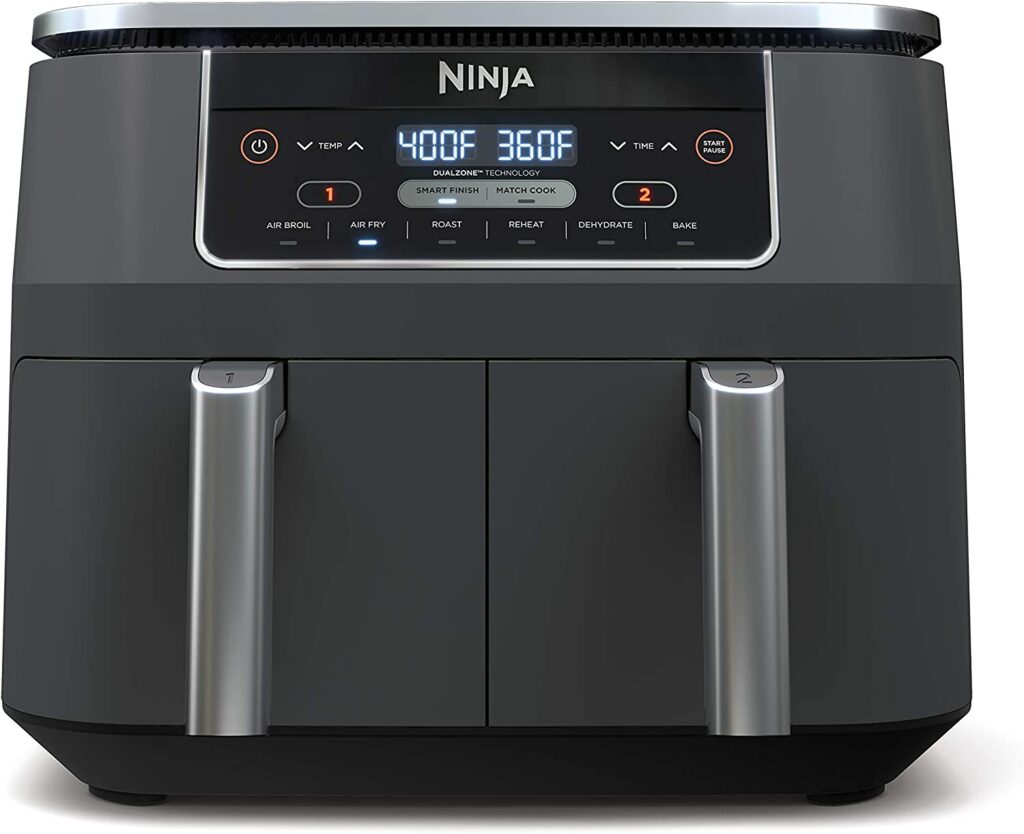
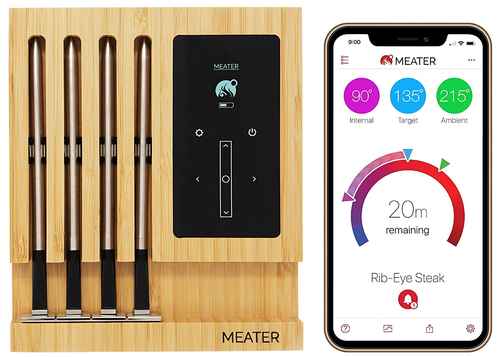
Potato wedges are a quintessential comfort food-crispy on the outside, tender on the inside, and bursting with flavor. Unlike traditional deep-fried versions, air fryer wedges achieve that golden-brown perfection with minimal oil, making them a healthier, yet equally satisfying alternative. The air fryer’s rapid circulation of hot air ensures even cooking, allowing you to enjoy a crisp exterior without the excess grease. This guide will walk you through every step of making perfect wedges in an air fryer, from choosing the ideal temperature and timing to troubleshooting common mistakes and offering expert tips for the crispiest results. Whether you’re a beginner or an experienced home cook, mastering air fryer wedges is easier than you think-and the payoff is deliciously rewarding.
Optimal Air Fryer Temperature To Make Wedges In Air Fryer
Temperature is critical when cooking wedges in an air fryer because it determines both texture and doneness. The sweet spot for most potatoes is around 400°F (204°C). At this temperature, the exterior crisps up beautifully while the inside stays soft and fluffy.
Cooking at a lower temperature, like 350°F (177°C), will cook the wedges through but may leave them pale and slightly soft on the outside. Conversely, a higher temperature such as 425°F (218°C) can accelerate browning but risks burning the edges before the interior is fully cooked. Many air fryers have hotspots, so a consistent 400°F provides a balance between a golden exterior and a tender interior. For extra crispiness, some cooks like to preheat the air fryer for 3-5 minutes before adding the wedges, which jumpstarts the Maillard reaction-the chemical reaction responsible for that rich, golden-brown crust.
How Long To Make Wedges In Air Fryer
Timing depends on the size of the wedges and the type of potato used, but a general guideline is 18-22 minutes at 400°F (204°C).
- Thin wedges (less than ½ inch thick): 15-18 minutes
- Medium wedges (½ to ¾ inch thick): 18-22 minutes
- Thick wedges (¾ inch or more): 22-25 minutes
It’s crucial to shake or flip the wedges halfway through cooking to ensure even browning. Air fryers circulate hot air in a confined space, so movement prevents one side from overcooking while the other remains underdone.
How To Tell If It Is Done
Knowing when wedges are done is a combination of visual cues, texture, and smell:
- Visual: Wedges should be golden brown on the edges with slightly crisp, textured surfaces.
- Texture: The exterior should be firm and crisp when touched, while the interior should yield slightly under gentle pressure, indicating a soft, fluffy center.
- Smell: A toasty, slightly sweet potato aroma is a strong indicator of doneness.
If unsure, pierce the thickest wedge with a fork. If it slides in easily without resistance, your wedges are perfectly cooked.
Ingredients Needed
- 3-4 medium potatoes (Russet or Yukon Gold preferred for crispiness)
- 1-2 tablespoons olive oil or your preferred cooking oil
- ½ teaspoon salt (adjust to taste)
- ½ teaspoon black pepper
- Optional seasonings: garlic powder, paprika, chili powder, rosemary, or Parmesan cheese
How To Make Wedges In Air Fryer
- Prep the potatoes: Wash thoroughly. Peeling is optional; leaving the skin adds texture and nutrients. Cut the potatoes into wedges, trying to keep them uniform for even cooking.
- Soak the wedges (optional but recommended): Place cut wedges in cold water for 20-30 minutes. This removes excess starch, promoting crispiness. Drain and pat dry.
- Season: Toss the wedges in oil, salt, pepper, and any desired seasonings until evenly coated.
- Preheat the air fryer: 3-5 minutes at 400°F (204°C).
- Cook: Arrange wedges in a single layer in the basket (avoid overcrowding). Cook for 18-22 minutes, shaking or flipping halfway through.
- Check doneness: Test with a fork and look for golden-brown edges. Cook a few minutes longer if needed.
- Serve: Enjoy hot, with dipping sauces such as ketchup, aioli, or sour cream.
What If I Use A Different Air Fryer Temperature?
- Lower temperature (350°F / 177°C): Wedges will take longer to cook, around 25-30 minutes, and may be less crispy.
- Higher temperature (425°F / 218°C): Wedges will cook faster, 15-18 minutes, but risk burning on the edges if not monitored closely.
Adjustments in temperature should always be paired with careful observation to prevent undercooking or burning.
What If I Use A Different Air Fryer Cooking Time?
- Shorter time: Wedges may be undercooked inside and pale on the outside. Always test a wedge by piercing it with a fork.
- Longer time: Wedges will become overly dry, possibly hard, and may burn. If increasing time, consider lowering the temperature slightly to prevent excessive browning.
When Things Go Wrong
- Wedges are soggy: Likely due to overcrowding, excess moisture, or insufficient oil. Shake the basket and cook in batches.
- Edges burnt, center raw: Usually caused by too high a temperature or wedges being too thick. Reduce temperature and/or cut thinner wedges.
- Uneven cooking: Check that wedges are cut uniformly and shake the basket halfway through cooking.
Expert Tips
- Soaking is key: Removing excess starch improves crispiness.
- Use high-starch potatoes: Russet potatoes crisp up better than waxy varieties.
- Don’t overcrowd: Give air space for circulation; cook in batches if needed.
- Flip halfway: Ensures even golden color and texture.
- Season after cooking for extra crunch: A light sprinkle of salt post-air-frying can enhance flavor without drawing out moisture.
FAQs
What Type Of Potatoes Are Best For Making Wedges In An Air Fryer?
Russet potatoes are the most popular choice because they have a starchy texture that crisps well on the outside while staying fluffy inside. Yukon Gold potatoes are another good option, offering a creamier texture. Avoid waxy potatoes as they tend to stay soft and won’t crisp properly.
Do I Need To Soak Potato Wedges Before Air Frying?
Yes, soaking the cut wedges in cold water for 20-30 minutes helps remove excess starch, which prevents them from sticking together and promotes a crispier texture. After soaking, be sure to dry the wedges thoroughly with a clean kitchen towel.
What Is The Ideal Temperature And Cooking Time For Air Fryer Potato Wedges?
Preheat the air fryer to 400°F (200°C). Cook the wedges for 20-25 minutes, shaking the basket halfway through to ensure even cooking. The wedges are done when they are golden brown and crispy on the outside, with a tender interior.
Should I Oil The Potato Wedges Before Air Frying?
Yes, lightly coating the wedges in 1-2 teaspoons of oil helps achieve a crispy exterior. Use a neutral oil with a high smoke point, such as canola, vegetable, or avocado oil. Tossing the wedges evenly ensures uniform browning.
Can I Season The Wedges Before Cooking Or After?
You can season them both ways, but seasoning before cooking allows the flavors to infuse into the potatoes. Common seasonings include salt, pepper, garlic powder, paprika, or dried herbs. Avoid heavy sauces before air frying, as they can prevent crisping.
How Can I Make Sure The Wedges Cook Evenly In The Air Fryer?
Cut the wedges into uniform sizes, avoid overcrowding the basket, and shake or flip them halfway through the cooking process. If needed, cook in batches to ensure each wedge gets direct airflow, which is essential for even crisping.
Can I Reheat Leftover Air Fryer Wedges Without Losing Crispiness?
Yes, reheat the wedges in the air fryer at 350°F (175°C) for 3-5 minutes. Avoid microwaving, which can make them soggy. Reheating in the air fryer helps restore the exterior crispiness while keeping the inside soft.