
How To Toast Almond Flakes In Air Fryer [FULL GUIDE]
Recommended Equipments:
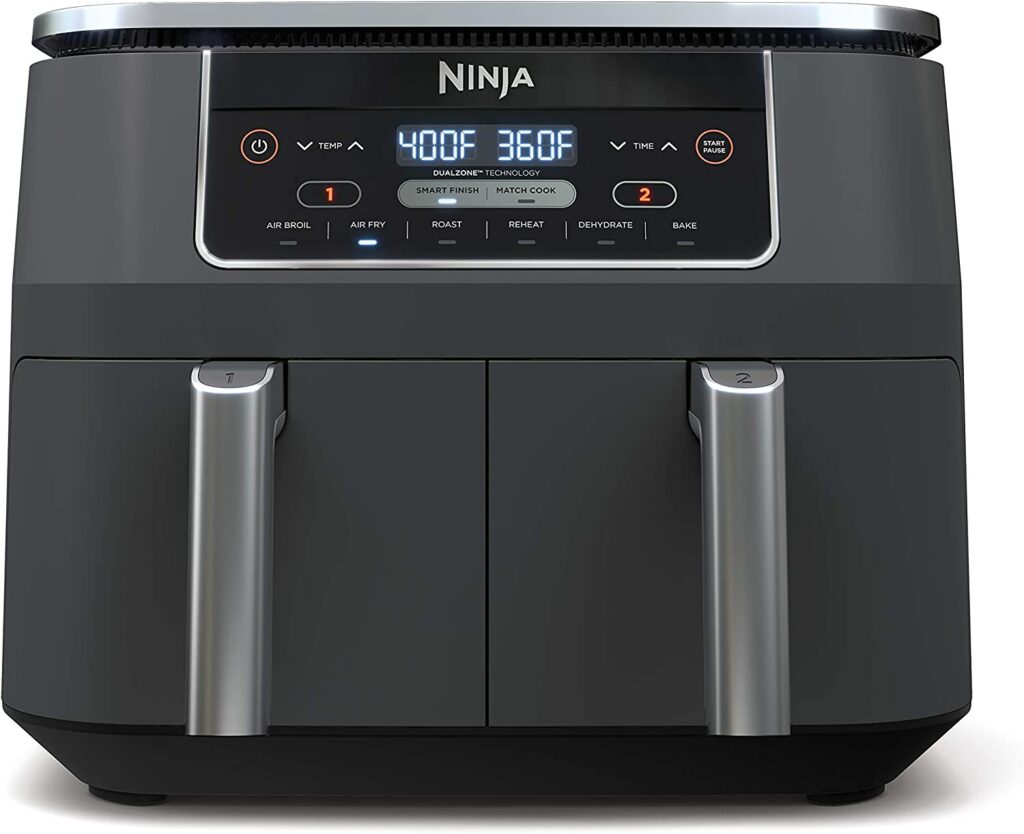
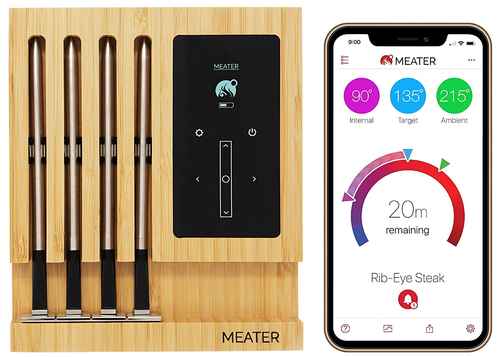
Toasted almond flakes are a culinary gem-delicate, fragrant, and imbued with a nutty richness that can elevate anything from salads to desserts, breakfast bowls, and baked goods. While traditionally toasted in an oven or on a stovetop, the air fryer has emerged as a revolutionary kitchen tool for this purpose. Its rapid hot-air circulation ensures evenly toasted almonds with a golden-brown hue and a deep, nutty aroma-all in a fraction of the time it would take using conventional methods. Mastering the art of toasting almond flakes in an air fryer is not only convenient but also allows for precision control, ensuring that the nuts develop their signature flavor without burning.
Optimal Air Fryer Temperature To Toast Almond Flakes In Air Fryer
Air fryers vary in their heat distribution, but for almond flakes, the key is moderate, consistent heat. The optimal temperature is 320°F (160°C). This temperature is hot enough to quickly draw out the natural oils in the almonds, enhancing their flavor and aroma, but gentle enough to prevent them from scorching. Temperatures higher than 350°F (175°C) can lead to uneven toasting, with some flakes burning while others remain under-toasted. Lower temperatures, on the other hand, will require a longer toasting period and may result in a less fragrant, slightly dry texture. Precision in temperature ensures the perfect balance of golden color, crisp texture, and nutty aroma.
How Long To Toast Almond Flakes In Air Fryer
Timing is as critical as temperature when toasting almond flakes. Typically, at 320°F (160°C), almond flakes require 4-6 minutes to achieve a golden-brown color and full flavor. However, this range depends on factors such as the thickness of the flakes, the quantity being toasted, and the specific air fryer model. Smaller batches toast faster, while a thicker layer may need slightly more time. Unlike ovens, air fryers cook rapidly, so it’s essential to monitor progress closely, as almond flakes can transition from lightly toasted to burnt in less than a minute.
How To Tell If It Is Done
Almond flakes are done when they reach a uniform light to medium golden brown and release a strong, nutty aroma. The visual cue is the first indicator: flakes should not be pale or too dark. The scent is equally important-well-toasted almonds give off a warm, fragrant, roasted smell that fills the kitchen. A subtle taste test can confirm readiness: the almonds should taste richly nutty without any bitterness, which signals over-toasting. Because almond flakes are delicate, relying solely on color without smelling or tasting can lead to under- or over-toasted results.
Ingredients Needed
To toast almond flakes in an air fryer, the ingredients are minimal, but quality matters:
- Almond flakes: ½ to 1 cup (unsweetened or raw is ideal)
- Optional oil: ½ teaspoon (olive, coconut, or neutral oil) to enhance browning and flavor
- Optional salt or spices: A pinch of salt, cinnamon, or sugar, if desired for flavor
Using high-quality, fresh almonds is key, as stale or pre-roasted flakes can compromise flavor and texture.
How To Toast Almond Flakes In Air Fryer
- Preheat the air fryer to 320°F (160°C) for 2-3 minutes. Preheating ensures even heat distribution.
- Prepare the almonds: If using oil or seasonings, toss the almond flakes lightly in a bowl. Otherwise, they can be added dry.
- Arrange the flakes: Spread them in a single, even layer in the air fryer basket. Overcrowding can lead to uneven toasting.
- Air fry: Cook for 4-6 minutes, shaking the basket halfway through to ensure even browning.
- Monitor closely: Keep an eye on the flakes after the 4-minute mark. Almonds can go from golden to burnt in moments.
- Cool immediately: Transfer the toasted almond flakes to a plate or tray to cool. Residual heat in the air fryer can continue to cook the nuts if left inside.
What If I Use A Different Air Fryer Temperature?
- Higher than 320°F (160°C): Toasting will be faster, but the risk of burning increases. Flakes may develop a bitter taste if left unchecked.
- Lower than 320°F (160°C): Almond flakes will take longer to toast, and the flavor may be less pronounced. You may need 7-10 minutes to achieve the same golden-brown result.
Adjusting temperature requires careful monitoring and shaking the basket more frequently to avoid uneven results.
What If I Use A Different Air Fryer Cooking Time?
- Shorter than 4 minutes: Flakes may remain pale and under-toasted, lacking aroma and flavor.
- Longer than 6 minutes: Almond flakes can burn quickly, especially the thinner ones, resulting in a bitter taste and dark spots.
The key is to observe and smell the almonds as much as to rely on time alone. Air fryer models vary, so visual and olfactory cues are the safest guide.
When Things Go Wrong
- Burnt almonds: Remove immediately, cool, and discard any overly blackened flakes. For future batches, reduce temperature and check earlier.
- Uneven toasting: Likely caused by overcrowding. Toast smaller batches or shake the basket more frequently.
- Undercooked flakes: Simply return them to the air fryer for an extra 1-2 minutes, checking closely.
Expert Tips
- Single-layer toasting: Always spread the almond flakes thinly for uniform browning.
- Shake or stir: Halfway through cooking, shake the basket or stir the flakes for even exposure to heat.
- Batch control: Toast only the amount you need; smaller batches reduce the risk of uneven cooking.
- Flavor enhancement: Lightly coating with oil and a pinch of salt or spices before air frying intensifies flavor.
- Storage: Store cooled almond flakes in an airtight container at room temperature for up to two weeks, or freeze for longer shelf life.
FAQs
What Is The Best Temperature To Toast Almond Flakes In An Air Fryer?
The optimal temperature for toasting almond flakes in an air fryer is typically between 320°F (160°C) and 350°F (175°C). This range allows the almonds to brown evenly without burning, as higher temperatures can quickly cause them to scorch due to their thin, delicate nature.
How Long Does It Take To Toast Almond Flakes In An Air Fryer?
Toasting almond flakes in an air fryer usually takes 4 to 6 minutes, depending on the thickness of the flakes and the air fryer model. It is important to shake the basket or stir the flakes halfway through the cooking time to ensure even browning.
Do I Need To Use Oil When Toasting Almond Flakes In An Air Fryer?
Using oil is optional. Almond flakes have natural oils that allow them to toast without additional fat. However, a light spray of oil can enhance browning and add extra flavor. If you prefer a lower-calorie option, they can be toasted dry.
How Can I Prevent Almond Flakes From Burning In An Air Fryer?
To prevent burning, toast the flakes at a moderate temperature, monitor them closely, and shake or stir every 2 minutes. Avoid overcrowding the air fryer basket, as this can cause uneven cooking and increase the risk of burning.
Can I Toast Almond Flakes Straight From The Fridge Or Freezer?
Yes, but it is recommended to let them come to room temperature before toasting. Cold almond flakes may toast unevenly, and any moisture from freezing can cause steaming rather than browning.
How Do I Know When The Almond Flakes Are Perfectly Toasted?
Almond flakes are perfectly toasted when they turn a light golden brown and emit a nutty aroma. They continue to cook slightly after removal, so it is best to take them out just before they reach the desired color to avoid over-toasting.
Can I Store Toasted Almond Flakes For Later Use?
Yes, toasted almond flakes can be stored in an airtight container at room temperature for up to 1-2 weeks. For longer storage, refrigerating or freezing them helps maintain freshness and crispness.