
How To Toast Coconut In Air Fryer [FULL GUIDE]
Recommended Equipments:
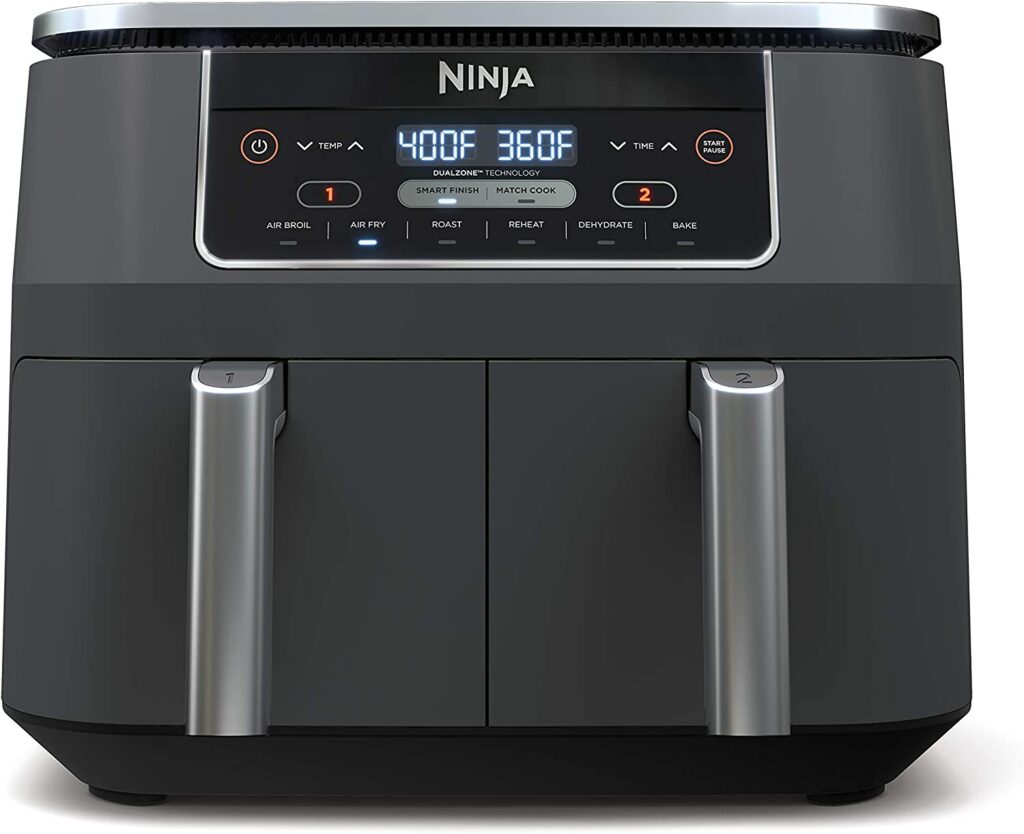
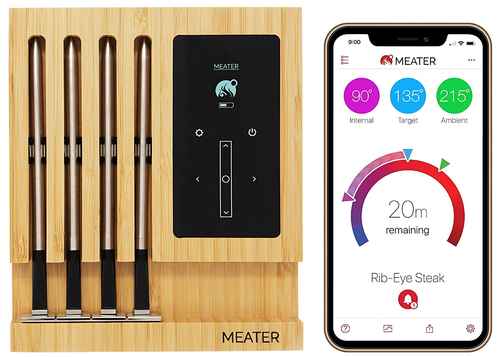
Toasting coconut is a deceptively simple culinary technique that transforms its naturally sweet, nutty flavor into a deeper, aromatic, and slightly caramelized delight. Whether you’re sprinkling it over a smoothie bowl, folding it into a baked good, or using it as a garnish for desserts, toasted coconut adds texture, flavor, and visual appeal. Traditional methods, like toasting in an oven or on a stovetop, work well but require close attention to prevent burning. Enter the air fryer-a modern kitchen tool that combines speed, precision, and even heat distribution, making it perfect for achieving that ideal golden-brown coconut. The process is quick, predictable, and can accommodate both shredded and flaked coconut varieties, unlocking a layer of flavor that’s hard to achieve with other methods.
Optimal Air Fryer Temperature To Toast Coconut In Air Fryer
The key to perfectly toasted coconut is controlling the temperature. Air fryers cook through rapid circulating hot air, which can quickly turn delicate coconut from golden brown to burnt if the temperature is too high. The optimal temperature range is 300°F to 325°F (150°C to 163°C). This range allows the coconut to toast evenly without scorching. At lower temperatures, the coconut will toast more slowly, giving you more control but requiring a slightly longer cooking time. At higher temperatures, the coconut may brown faster but risks uneven toasting and an acrid flavor. By maintaining a moderate, consistent temperature, you ensure that each flake or shred achieves that irresistible golden hue and nutty aroma.
How Long To Toast Coconut In Air Fryer
Toasting coconut in an air fryer is a rapid process. Depending on the texture and size of the coconut pieces:
- Shredded coconut: 3 to 5 minutes
- Flaked coconut: 4 to 6 minutes
These times assume you are cooking at the recommended 300-325°F. Timing will vary slightly depending on the air fryer’s model, the thickness of the coconut, and whether the coconut is sweetened (sweetened coconut tends to brown faster due to the sugar content). It’s essential to check frequently, as the difference between perfectly toasted and burnt can be mere seconds.
How To Tell If It Is Done
Visual cues and aroma are your primary indicators. Perfectly toasted coconut will exhibit:
- Color: Golden brown, evenly distributed. Avoid dark brown or black edges.
- Texture: Light, crisp, and dry to the touch. The flakes should break easily rather than feel soft.
- Aroma: A rich, nutty fragrance, slightly caramelized. Burnt coconut emits a sharp, bitter smell.
Always remember that coconut continues to cook slightly after being removed from the air fryer due to residual heat, so pulling it out at the first signs of golden brown is ideal.
Ingredients Needed
To toast coconut in an air fryer, you need minimal ingredients:
- 1 cup shredded or flaked coconut (sweetened or unsweetened, depending on your recipe)
- Optional: ½ teaspoon oil (coconut oil is preferred for flavor)
- Optional: Pinch of salt or sugar for added taste
The coconut can be toasted plain or lightly coated in oil for a richer flavor and more even browning. Sweetened coconut will naturally caramelize, while unsweetened may benefit from a touch of sugar to enhance browning.
How To Toast Coconut In Air Fryer
- Preheat the air fryer to 310°F (155°C) for consistent results.
- Prepare the coconut: In a small bowl, toss shredded or flaked coconut with optional oil or sugar. Spread it evenly on the air fryer basket tray, making sure it’s in a single layer to prevent clumping.
- Cook: Air fry for 3-5 minutes (shredded) or 4-6 minutes (flaked), shaking the basket or stirring the coconut every 1-2 minutes for even browning.
- Check frequently: Remove once the coconut is golden brown and aromatic.
- Cool: Transfer to a plate or baking sheet to cool. The coconut will crisp further as it cools.
What If I Use A Different Air Fryer Temperature?
Using a higher temperature (above 325°F) will accelerate browning but significantly increases the risk of burning, especially for small, delicate shreds. A lower temperature (below 300°F) is safer but will extend cooking time and may result in less vibrant color. If experimenting outside the recommended range, reduce cooking time and check frequently to avoid over-toasting.
What If I Use A Different Air Fryer Cooking Time?
Cooking longer than necessary can dry out the coconut and produce a bitter flavor. If using less time, the coconut may not achieve the desired golden brown or aromatic profile. Always rely on visual and aromatic cues rather than the clock alone, adjusting time in short increments for your specific air fryer model.
When Things Go Wrong
Common issues include:
- Burnt coconut: Remove immediately, and consider lowering the temperature or stirring more frequently next time.
- Uneven browning: Likely due to overcrowding or uneven basket placement. Toast in smaller batches.
- Soft or chewy coconut: May indicate insufficient cooking time or high moisture content. Ensure the coconut is spread thinly in a single layer and cook slightly longer if necessary.
Expert Tips
- Always stir or shake the basket every 1-2 minutes for uniform browning.
- For sweetened coconut, reduce added sugar, as caramelization occurs naturally.
- Use lightly oiled coconut to enhance flavor and even toasting.
- Keep in mind residual heat: remove coconut slightly before it reaches perfect color.
- Toast in small batches for consistent results, especially if your air fryer basket is small.
- Store cooled coconut in an airtight container to maintain crispness.
FAQs
What Type Of Coconut Can I Toast In An Air Fryer?
You can toast both sweetened and unsweetened shredded or flaked coconut in an air fryer. Freshly grated coconut can also be used, but it may need a slightly longer cooking time due to higher moisture content.
What Temperature Should I Use To Toast Coconut In An Air Fryer?
Set the air fryer to 320°F (160°C) for evenly toasted coconut. Lower temperatures help prevent burning, especially with finely shredded coconut.
How Long Does It Take To Toast Coconut In An Air Fryer?
The toasting time typically ranges from 4 to 8 minutes, depending on the quantity and type of coconut. It is important to shake or stir the coconut every 1-2 minutes to ensure even browning.
Do I Need To Add Oil When Toasting Coconut In An Air Fryer?
Adding a small amount of oil is optional. A teaspoon of coconut or neutral oil can enhance flavor and help achieve a slightly crisper texture, but dry toasting is also effective.
How Can I Tell When The Coconut Is Properly Toasted?
Properly toasted coconut should be golden brown with a fragrant, nutty aroma. Avoid dark brown or black edges, which indicate burning. Keep a close eye on it, as coconut can burn quickly.
Can I Toast Large Batches Of Coconut At Once In The Air Fryer?
It’s better to toast coconut in small, even layers to ensure uniform browning. Large batches can result in uneven toasting, with some parts burnt while others remain pale.
How Should I Store Toasted Coconut After Air Frying?
Allow the toasted coconut to cool completely, then store it in an airtight container at room temperature for up to two weeks. For longer storage, you can refrigerate or freeze it to maintain freshness.