
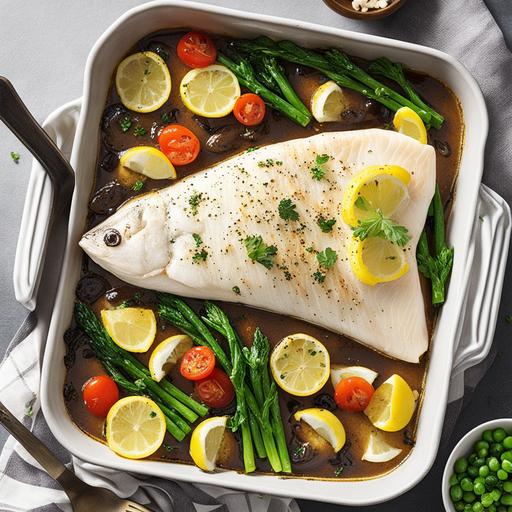
How To Cook Frozen Halibut In Air Fryer [FULL GUIDE]
Recommended Equipments:
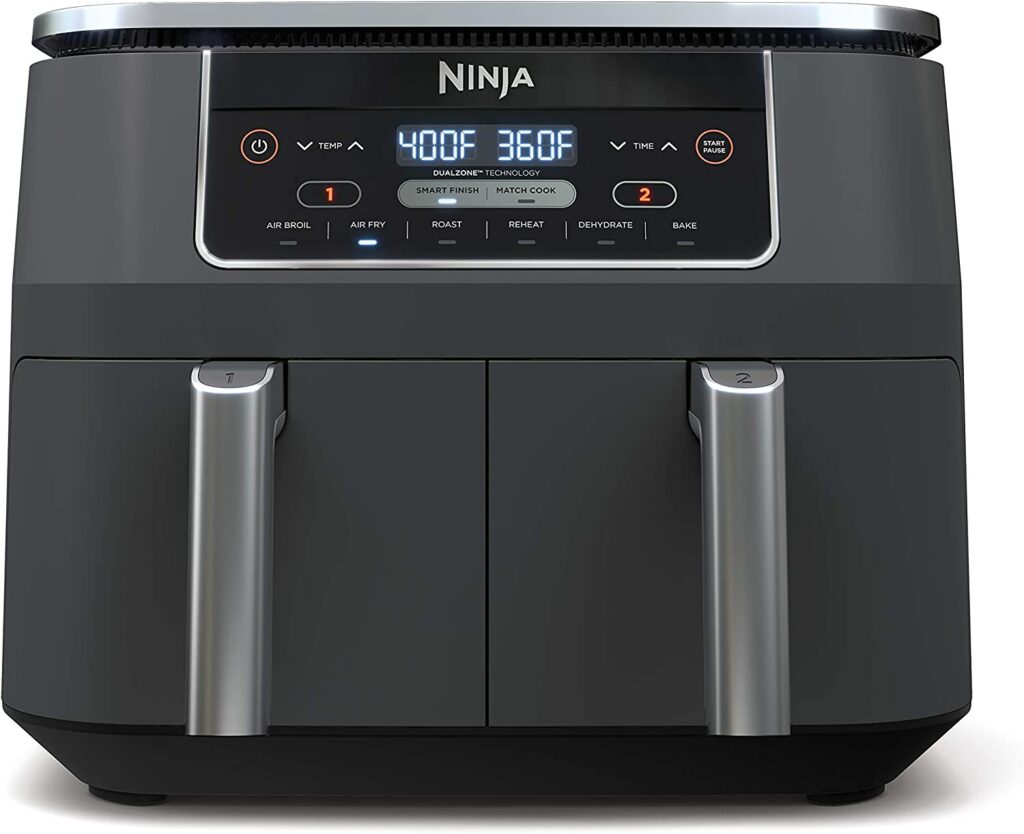
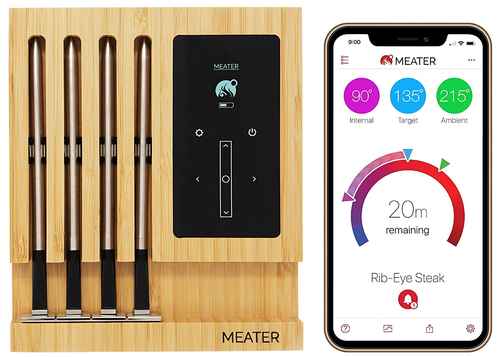
Halibut, with its mild, slightly sweet flavor and firm, flaky texture, is a favorite among seafood lovers. Known for being versatile and nutrient-rich, this white fish is an excellent source of protein, omega-3 fatty acids, and essential vitamins such as B12 and D. Cooking halibut from frozen can be intimidating, especially for those new to air fryers, but this kitchen appliance simplifies the process, ensuring a crispy exterior and tender, juicy interior without the need for deep frying or lengthy preparation. This guide explores the optimal techniques, timing, and temperatures for air frying frozen halibut, helping you achieve a perfectly cooked fish every time.
Optimal Air Fryer Temperature To Cook Frozen Halibut In Air Fryer
Air fryers cook by circulating hot air at high speeds, mimicking the effects of frying while reducing oil usage. Temperature is critical in ensuring halibut cooks evenly while remaining moist. The ideal temperature for cooking frozen halibut in an air fryer is 400°F (204°C).
At this temperature, the fish develops a lightly crisped outer layer within minutes, while the inside cooks thoroughly without drying out. Temperatures lower than 375°F may result in uneven cooking and a rubbery texture, while temperatures above 425°F can overcook the exterior before the interior is fully done.
How Long To Cook Frozen Halibut In Air Fryer
Cooking time depends on the thickness of the fillets and whether the halibut is coated or seasoned. On average, frozen halibut fillets that are 1 to 1.5 inches thick require 10-12 minutes at 400°F. For thinner fillets (around 0.5 inches), 8-10 minutes is sufficient, while thicker cuts may need up to 14 minutes.
It’s recommended to flip the fillets halfway through the cooking time to ensure even heat distribution and prevent over-browning on one side.
How To Tell If It Is Done
Proper doneness ensures the fish is both safe to eat and enjoyable in texture. Indicators include:
- Internal Temperature: Use a meat thermometer to check the thickest part of the fillet. Halibut should reach an internal temperature of 145°F (63°C).
- Flakiness: Use a fork to gently flake the fish. Cooked halibut separates easily into opaque flakes.
- Color: Fully cooked halibut turns from translucent to a milky white throughout. Any translucency indicates it needs more time.
Ingredients Needed
For a simple, delicious preparation, you will need:
- 2 frozen halibut fillets (6-8 ounces each)
- 1-2 tablespoons olive oil or cooking spray
- Salt, to taste
- Freshly ground black pepper, to taste
- Optional: garlic powder, paprika, lemon zest, or fresh herbs for flavoring
How To Cook Frozen Halibut In Air Fryer
- Preheat the air fryer to 400°F (204°C). Preheating ensures immediate, even cooking.
- Prepare the fillets: Lightly brush or spray both sides of the halibut with olive oil. Season with salt, pepper, and optional spices.
- Arrange the fillets: Place the frozen fillets in a single layer in the air fryer basket, ensuring space between them for air circulation.
- Cook: Air fry at 400°F for 10-12 minutes, flipping halfway through.
- Check doneness: Use a meat thermometer or check flakiness and color. If undercooked, continue in 1-2 minute increments until done.
- Serve: Garnish with fresh lemon juice, herbs, or a light drizzle of olive oil and enjoy immediately.
What If I Use A Different Air Fryer Temperature?
- Lower temperature (350-375°F): Fish cooks more slowly, allowing a slightly more forgiving texture but may require 12-15 minutes for thorough cooking. The exterior may not crisp as much.
- Higher temperature (425-450°F): The exterior crisps quickly, but there is a risk of overcooking or drying the interior, especially for thicker fillets. Flipping mid-cook becomes crucial.
What If I Use A Different Air Fryer Cooking Time?
Cooking time directly affects texture and doneness.
- Shorter time: The halibut may remain raw in the center, particularly if frozen, and risk a gummy texture. Always check internal temperature.
- Longer time: Overcooked halibut becomes dry and loses its delicate, flaky texture. Adjust time based on thickness rather than guesswork.
When Things Go Wrong
- Dry fish: Usually caused by excessive temperature or cooking time. Lower the temperature slightly and reduce cooking duration.
- Undercooked center: Increase time in small increments, check temperature, or slice fillets thinner next time.
- Sticking to basket: Ensure a light coating of oil or use parchment liners designed for air fryers.
Expert Tips
- Pat the fillets dry: Even when frozen, removing excess ice crystals prevents sogginess.
- Use a thermometer: Precision guarantees perfectly cooked fish every time.
- Flip halfway: Promotes even cooking and browning.
- Experiment with seasoning: Halibut pairs beautifully with citrus, smoked paprika, garlic, dill, or tarragon.
- Avoid overcrowding: Air needs to circulate freely for consistent cooking.
FAQs
Can I Cook Frozen Halibut Directly In An Air Fryer Without Thawing?
Yes, you can cook frozen halibut directly in an air fryer. The appliance circulates hot air evenly, which allows the fish to cook thoroughly without prior thawing. However, it is important to adjust the cooking time and temperature to ensure the center cooks fully while the exterior does not overcook.
What Is The Recommended Temperature And Cooking Time For Frozen Halibut In An Air Fryer?
A typical recommendation is to cook frozen halibut at 400°F (200°C) for 12-15 minutes, flipping halfway through. The exact time may vary depending on the thickness of the fillet and the air fryer model, so using a food thermometer to ensure the internal temperature reaches 145°F (63°C) is ideal.
Should I Season Frozen Halibut Before Air Frying?
Yes, you can season frozen halibut, but it is best to apply light seasoning or a thin layer of oil to help the spices adhere. Salt, pepper, garlic powder, paprika, and lemon juice are common options. For more even seasoning, some cooks prefer to season halfway through cooking after the surface softens slightly.
Do I Need To Use Oil When Cooking Frozen Halibut In An Air Fryer?
Using oil is optional but recommended to prevent the fish from sticking and to enhance browning. A light brush or spray of oil on both sides is usually sufficient. Avoid over-oiling, as the air fryer produces a crispy exterior with minimal fat.
How Can I Tell When Frozen Halibut Is Fully Cooked In The Air Fryer?
The best method is to check the internal temperature with a meat thermometer, which should reach 145°F (63°C). The fish should also be opaque and flake easily with a fork. The exterior should be golden and slightly crisp but not burnt.
Is It Necessary To Flip The Halibut During Air Frying?
Yes, flipping the fillet halfway through the cooking process helps ensure even cooking and browning on both sides. Skipping this step may result in uneven texture, with one side more cooked than the other.
Can I Cook Frozen Halibut Fillets With Skin In An Air Fryer?
Yes, frozen halibut with skin can be cooked in an air fryer. Leaving the skin on can help protect the fish from drying out and adds extra flavor and crispiness. Cook skin-side down first for best results and adjust cooking time slightly for thicker fillets.